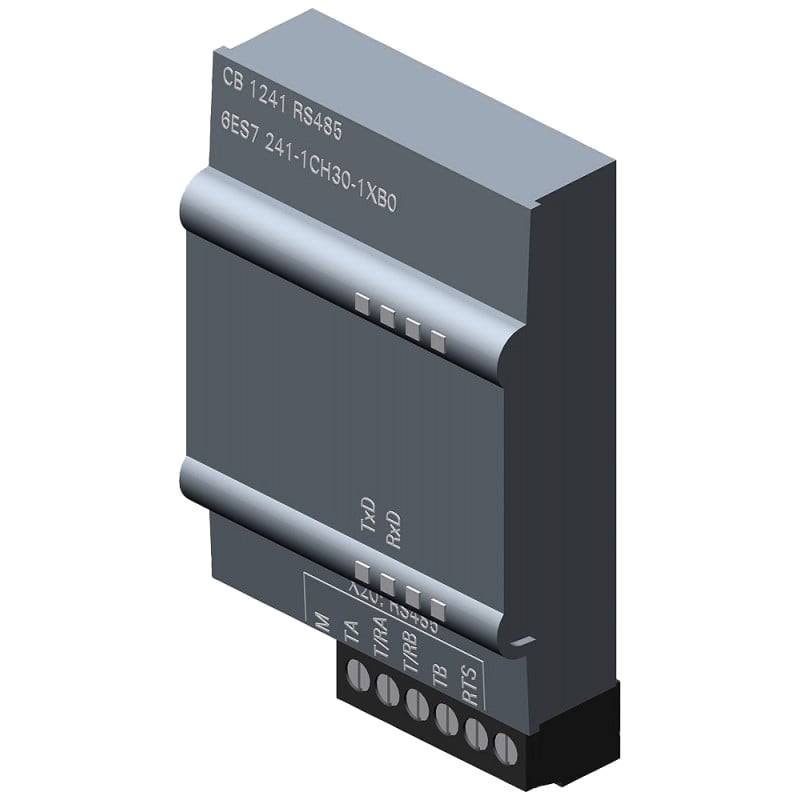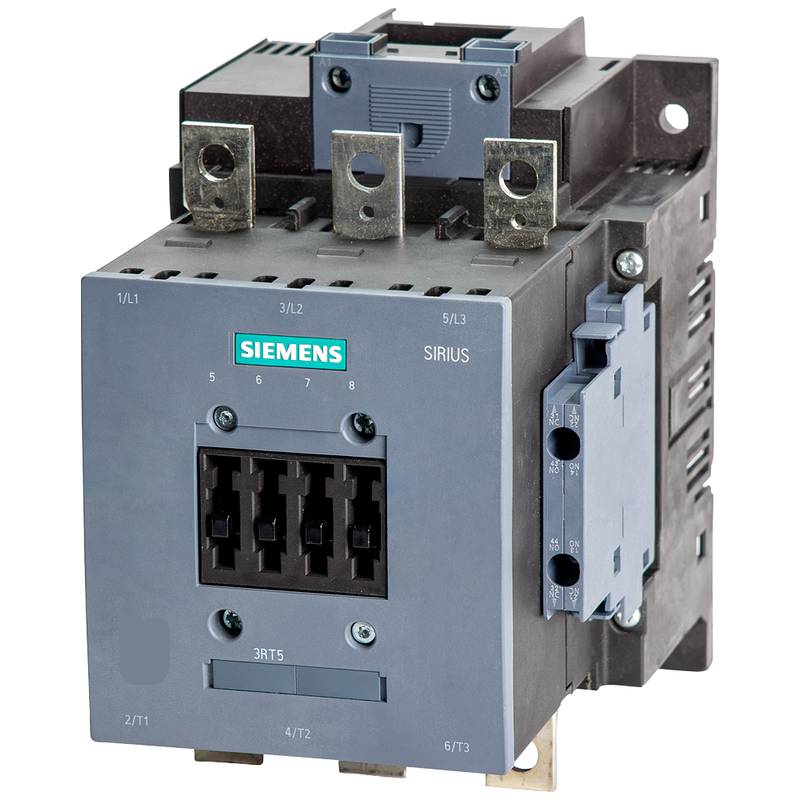













SIEMENS PME75.831A2 PME75 Air Damper Actuator Feedback Module


The SIEMENS PME75.831A2 PME75 Air Damper Actuator Feedback Module is a critical component designed for precise control and monitoring in HVAC systems. This module offers advanced feedback capabilities, ensuring optimal damper positioning and system efficiency. Its core advantages include enhanced operational accuracy, robust construction for industrial environments, and seamless integration with Siemens building automation platforms. Key technical parameters include an operating voltage range of 24 V AC/DC, a torque output of 75 Nm, and an ingress protection rating of IP54, making it suitable for demanding applications where reliability and precision are paramount.
Product Specifications
| Feature | Specification |
| :--------------------- | :------------------------------------------ |
| Model Number | PME75.831A2 |
| Product Type | Air Damper Actuator Feedback Module |
| Operating Voltage | 24 V AC/DC |
| Torque Output | 75 Nm |
| Ingress Protection | IP54 |
| Control Signal | 0–10 V DC, 4–20 mA |
| Ambient Temperature | -20°C to +50°C |
| Connection Type | Screw terminals |
| Feedback Signal | 0–10 V DC (proportional to damper position) |
| Auxiliary Switches | 2 adjustable |
| Cable Entry | PG11 |
| Dimensions (W x H x D) | 225 mm x 325 mm x 145 mm |
Core Features & Market Positioning
The SIEMENS PME75.831A2 distinguishes itself through its high-precision feedback mechanism, which provides real-time damper position data to the building management system (BMS). This capability is crucial for maintaining optimal airflow and energy efficiency in complex HVAC installations. Its robust design, including an IP54 rating, ensures reliable operation even in dusty or humid industrial environments, a significant differentiator in competitive markets. The module's compatibility with Siemens' Desigo™ platform further solidifies its market position, offering a cohesive solution for integrated building automation. Its 75 Nm torque output is ideal for medium to large dampers, providing the necessary power for secure and accurate positioning.
Key Application Scenarios
This feedback module is extensively utilized in commercial and industrial HVAC systems for precise air handling unit (AHU) control, zone air balancing, and smoke damper management. Building engineers and system integrators select the PME75.831A2 for applications requiring accurate airflow regulation, such as in cleanrooms, laboratories, and manufacturing facilities where environmental conditions must be strictly maintained. It is also a key component in energy recovery systems and demand-controlled ventilation setups, optimizing energy consumption by precisely adjusting airflow based on occupancy and environmental needs.
Practical System Integration Guidance
Integrating the SIEMENS PME75.831A2 involves straightforward wiring to the damper, power supply, and the central BMS. The module typically connects to the damper shaft via a universal mounting bracket, with manual override and position indication readily accessible. The feedback signal, a proportional 0-10 V DC output, allows the BMS to continuously monitor the damper's exact position, enabling advanced control strategies. For commissioning, ensuring the auxiliary switches are correctly set for end-of-travel limits is critical for safe and efficient operation. Power should be supplied via a 24 V AC/DC source, with proper grounding to prevent electrical interference.
Operation and Risk Mitigation
Proper operation of the SIEMENS PME75.831A2 hinges on correct installation and parameterization within the BMS. Users should be aware that incorrect wiring can lead to actuator malfunction or damage. Common troubleshooting involves checking power supply voltage, ensuring secure electrical connections, and verifying the control signal input. Fault codes, if generated by the BMS, typically indicate communication errors or out-of-range feedback signals, often stemming from mechanical issues with the damper or wiring faults. Regularly inspecting the physical damper mechanism for obstructions or binding can prevent operational failures and mitigate risks associated with improper airflow.
Scalability & Long-Term Value
The SIEMENS PME75.831A2 offers significant long-term value through its integration capabilities with Siemens' broader building automation ecosystem, including Desigo CC. This ensures compatibility with future upgrades and new Siemens products, providing a scalable solution for evolving facility management needs. Its robust design minimizes the need for frequent replacements, contributing to lower total cost of ownership. Furthermore, by enabling precise control and monitoring, it supports energy efficiency initiatives and can be a key element in achieving smart building objectives and IIoT integration, allowing for data-driven optimization and predictive maintenance strategies.
Frequently Asked Questions
What is the primary function of the SIEMENS PME75.831A2?
The SIEMENS PME75.831A2 acts as a feedback module for air damper actuators. It precisely reports the damper's current position to the building management system. This ensures accurate airflow control and supports energy optimization strategies within HVAC systems.
This module is essential for maintaining desired air volumes and pressure differentials. It allows for real-time adjustments based on system demands and environmental conditions. Its advanced feedback capabilities enhance overall system responsiveness and performance.
The accurate positional data provided by the PME75.831A2 is critical for applications like zone control, ventilation optimization, and smoke evacuation systems. It contributes to a stable and efficient operational environment within commercial and industrial buildings.
What are the key advantages of using this feedback module?
Key advantages include high-precision damper position reporting for enhanced control. Its robust IP54 rating ensures reliable performance in challenging industrial environments. Seamless integration with Siemens Desigo™ platforms simplifies system design and management.
The module offers a reliable 75 Nm torque output suitable for a wide range of damper sizes. It provides essential feedback signals (0-10V DC) for sophisticated BMS logic and energy management. The presence of adjustable auxiliary switches adds further control flexibility.
Its durable construction and compatibility with established Siemens automation infrastructure translate to long-term operational value and reduced maintenance costs. This makes it a sound investment for critical HVAC applications.
What are the typical application scenarios for the PME75.831A2?
This feedback module is commonly used in air handling units (AHUs) for precise airflow regulation. It is also vital for zone control, ensuring correct air distribution to different building areas. Its application extends to smoke damper control for safety systems.
It finds extensive use in industrial facilities, cleanrooms, and laboratories where strict environmental conditions and precise air balancing are mandatory. The module supports demand-controlled ventilation and energy recovery systems by optimizing damper positioning.
Its reliable operation makes it suitable for critical infrastructure and any application requiring accurate and consistent damper feedback for efficient HVAC system performance.
How is the SIEMENS PME75.831A2 installed and integrated into a system?
Installation involves mechanically mounting the actuator to the damper shaft using the provided bracket. Electrical connections are made to the 24V AC/DC power supply and the control input/output terminals for the BMS.
Wiring the feedback signal (0-10V DC) to the BMS is crucial for monitoring damper position. The adjustable auxiliary switches should be configured for damper end-of-travel limits. Proper grounding is essential for signal integrity.
Commissioning requires verifying power, control signals, and feedback signals within the BMS. Setting the auxiliary switches accurately ensures safe operation and prevents actuator damage.
What technical specifications are most important for this product?
The operating voltage of 24V AC/DC is fundamental for system compatibility. The 75 Nm torque output is critical for driving the specific damper size and type. The IP54 ingress protection rating indicates its suitability for industrial environments.
The feedback signal, typically 0-10V DC proportional to damper position, is key for BMS integration and control logic. The ambient temperature range (-20°C to +50°C) defines its operational environment limits.
Dimensions and connection types (e.g., screw terminals, PG11 cable entry) are important for physical integration and wiring planning within the control panel and ductwork.
Can this actuator module be used with dampers from different manufacturers?
Yes, the SIEMENS PME75.831A2 is designed with a universal mounting bracket to accommodate various damper shaft sizes and types. This provides flexibility for retrofitting or integrating with existing HVAC systems.
Its standard control input (0-10V DC or 4-20mA) and feedback output (0-10V DC) are widely compatible with most modern building automation systems and controllers. This interoperability is a key design feature.
However, it is essential to verify that the damper's torque requirements do not exceed the actuator's 75 Nm rating and that the damper operates freely without excessive friction.
What is the typical lifespan and maintenance requirement for this product?
The SIEMENS PME75.831A2 is engineered for industrial durability, offering a long operational lifespan when installed and operated within specified parameters. Regular visual inspections for dust accumulation or physical damage are recommended.
Maintenance typically involves ensuring all electrical connections remain secure and free from corrosion. Periodically checking the mechanical linkage between the actuator and damper for smooth operation can prevent wear.
While specific maintenance schedules vary by application and environment, Siemens products are known for their reliability, often requiring minimal intervention beyond initial setup and periodic checks.
How does the feedback signal work and how is it used by the BMS?
The feedback signal is a variable voltage output, typically 0-10V DC, directly proportional to the actuator's shaft rotation and thus the damper's open position. A fully closed damper might correspond to 0V, and a fully open damper to 10V, or vice versa depending on configuration.
The Building Management System (BMS) reads this voltage signal and interprets it as the precise percentage of damper opening. This real-time data allows the BMS to accurately monitor and control airflow, ensuring setpoints are met.
This precise feedback is crucial for advanced control strategies such as maintaining constant air volume (CAV), variable air volume (VAV) control, and precise pressure regulation within the HVAC ductwork.
What are the potential risks or issues if the feedback module fails?
If the feedback module fails, the BMS will lose the ability to accurately monitor the damper's position. This can lead to uncontrolled airflow, potentially causing uncomfortable temperature conditions or inefficient energy usage.
In critical applications like smoke control, a failed feedback module could compromise safety systems, as the BMS would not know if the damper is in the correct safety position. This poses a significant risk to occupant safety.
The BMS might also register a fault, leading to system alarms and requiring manual intervention to diagnose and rectify the issue, impacting operational continuity and potentially increasing downtime.
What are the power requirements and wiring considerations for this actuator feedback module?
The SIEMENS PME75.831A2 requires a stable 24V AC or DC power supply. It is crucial to use a power source that can adequately support the actuator's torque demands, especially during startup and under load.
Wiring should be performed by qualified personnel, ensuring correct polarity for DC power and adhering to local electrical codes. Proper grounding of the actuator and associated control panel is essential to prevent electrical noise and interference, which can affect feedback signal accuracy.
Pay close attention to wire gauge and connection integrity to minimize voltage drop, particularly in long cable runs. The PG11 cable entry is designed to accommodate standard industrial cable glands for secure and environmentally sealed connections.