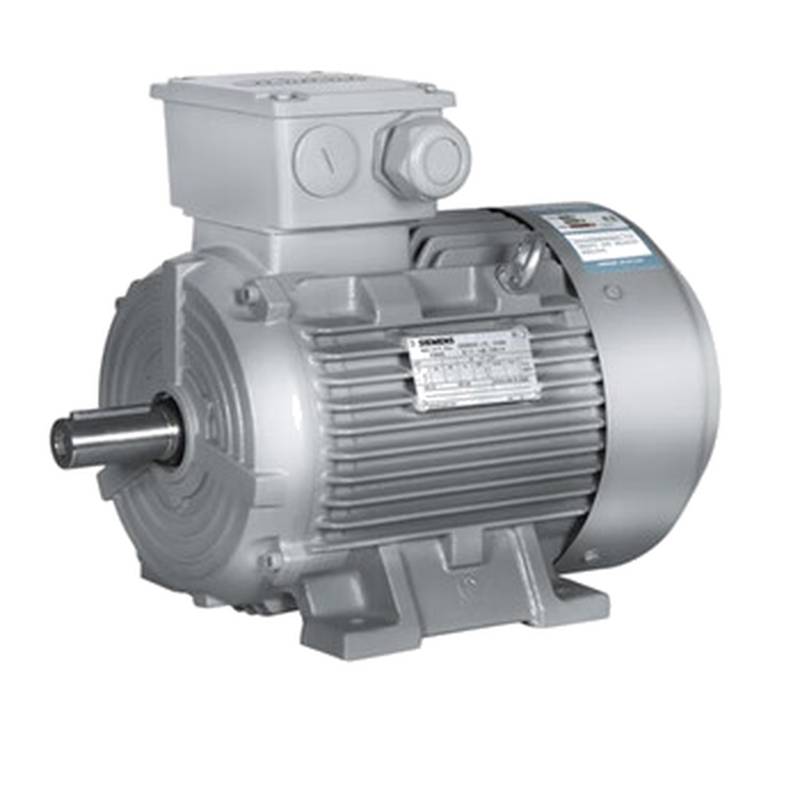












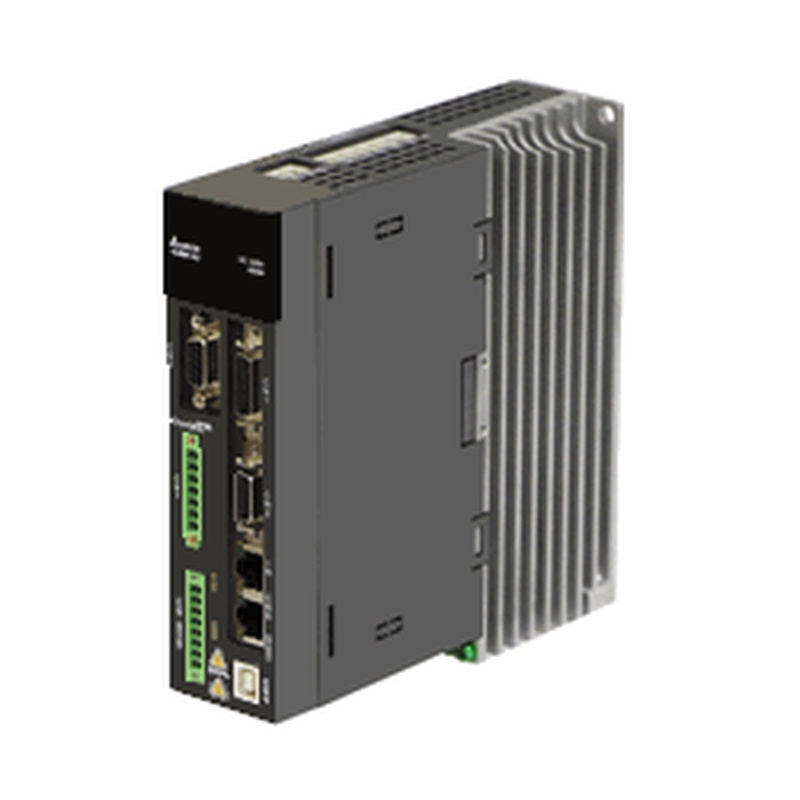
Delta ASD-B3-3043-M High Inertia Three Phase Low Voltage Servo System


The Delta ASD-B3-3043-M is a robust, high-inertia three-phase low-voltage servo system engineered for demanding industrial automation tasks. This system excels in applications requiring precise motion control, high torque, and exceptional stability. Its key advantages include superior dynamic response, robust construction for harsh environments, and advanced control algorithms that minimize vibration and overshoot. Core features encompass a powerful servo drive, a high-inertia servo motor designed for applications with significant load inertia, and comprehensive communication options for seamless integration into sophisticated automation architectures. Technical parameters highlight its three-phase, low-voltage operation, making it suitable for a wide range of global power supplies, and its high-inertia motor design ensures stable performance even under fluctuating load conditions.
Product Specifications
| Parameter | Value |
| :--------------------- | :------------------------------------ |
| Model Number | ASD-B3-3043-M |
| Motor Type | High Inertia Servo Motor |
| Power Supply | Three-Phase Low Voltage |
| Voltage Range | 200-240V AC |
| Rated Output Power | 400W |
| Rated Torque | 1.27 Nm |
| Peak Torque | 3.82 Nm |
| Rated Speed | 3000 RPM |
| Communication | RS-485, CANopen |
| Encoder Resolution | 17-bit Incremental Encoder |
| Protection Rating | IP65 (Motor) |
| Operating Temperature | 0°C to 55°C |
Core Features & Market Positioning
The Delta ASD-B3-3043-M servo system distinguishes itself through its high-inertia motor design, a critical differentiator for applications involving large rotating masses or payloads that require significant momentum. This characteristic is paramount in industries like packaging, material handling, and metal forming, where maintaining consistent speed and position under varying loads is essential. The system's robust build quality and IP65 motor protection rating underscore its suitability for industrial environments that may expose equipment to dust and moisture. Market positioning is further solidified by Delta's reputation for reliable automation solutions, offering a compelling blend of performance, durability, and cost-effectiveness compared to higher-voltage or less specialized systems. The integrated 17-bit encoder provides high-resolution feedback, enabling precise motion control and exceptional accuracy in complex positioning tasks.
Key Application Scenarios
This servo system finds its niche in applications where consistent, stable torque delivery is critical, especially when dealing with high load inertia. Common use cases include automated guided vehicles (AGVs) and robotic arms in warehousing and logistics, where smooth acceleration and deceleration are vital for payload integrity and operational efficiency. In the manufacturing sector, it's ideal for high-precision assembly lines, dispensing equipment, and winding/unwinding machinery in the textile or paper industries, where maintaining uniform tension and speed is paramount. The system's ability to handle significant inertia makes it a strong contender for applications involving large flywheels or heavy components that require precise control during movement and stopping.
Practical System Integration Guidance
Integrating the Delta ASD-B3-3043-M servo system involves careful consideration of power, control, and communication wiring. The system operates on a three-phase low-voltage supply (200-240V AC), requiring appropriate circuit protection and wiring according to local electrical codes. Motor power cables should be shielded to minimize electromagnetic interference (EMI), especially in environments with other sensitive electronic equipment. For control signals and communication, utilize the designated terminals for encoder feedback, digital I/O, and communication protocols such as RS-485 or CANopen. Proper grounding of both the drive and the motor is crucial for safety and signal integrity. Commissioning typically involves configuring drive parameters via Delta's accompanying software to match the motor's characteristics and the application's specific motion profile, including setting acceleration/deceleration times, speed limits, and torque limits.
Operation and Risk Mitigation
Safe operation of the Delta ASD-B3-3043-M servo system necessitates adherence to established industrial safety protocols. Ensure that all personnel involved in installation, operation, or maintenance are adequately trained on servo system handling and lockout/tagout procedures. Before powering up, verify all wiring connections and ensure the motor is securely mounted and free to rotate. During operation, monitor system performance for any unusual vibrations, noises, or temperature increases, which could indicate potential issues. Common troubleshooting steps for servo systems often involve checking for alarm codes displayed on the drive, verifying parameter settings, and inspecting for mechanical binding or electrical faults. Referencing the product manual for specific fault codes and their resolutions is essential for prompt issue identification and rectification.
Scalability & Long-Term Value
The Delta ASD-B3-3043-M servo system offers considerable scalability and long-term value due to its compatibility with broader Delta automation ecosystems and its support for standard industrial communication protocols. Its integration capability with PLCs, HMIs, and motion controllers from Delta or third-party manufacturers allows for the expansion of automation systems as production demands evolve. The use of RS-485 and CANopen ensures interoperability with a wide range of industrial network devices, facilitating the development of more sophisticated, interconnected automation solutions. Furthermore, Delta's commitment to product development suggests potential future enhancements and compatibility updates, ensuring that the system remains a viable component in modern IIoT and Industry 4.0 initiatives, providing a solid return on investment through its reliability and adaptability.
Frequently Asked Questions
What are the primary advantages of using a high-inertia servo motor?
High-inertia motors provide smoother operation when driving heavy loads. They excel at reducing speed fluctuations during rapid acceleration or deceleration cycles. This stability is crucial for precision machinery and applications requiring consistent torque.
Why is low voltage three-phase power utilized in this servo system?
Low voltage three-phase power offers a balance of power and safety for industrial settings. It simplifies wiring and reduces insulation requirements compared to higher voltage systems. This makes installation and maintenance more straightforward and cost-effective.
How does the 17-bit encoder contribute to the system's performance?
A 17-bit encoder delivers very precise positional feedback. This high resolution enables accurate motion control and repeatability in complex tasks. It minimizes tracking errors and ensures the motor can achieve and maintain exact positions.
What types of industrial applications are best suited for the Delta ASD-B3-3043-M?
This system is ideal for pick-and-place robots, automated packaging machines, and material handling equipment. Applications involving large rotating masses, like CNC machine tool spindles or textile machinery, also benefit greatly. Its stability under load is a key performance indicator for these uses.
Can this servo system be integrated with existing automation hardware?
Yes, the system supports common industrial communication protocols like RS-485 and CANopen. This ensures compatibility with many PLCs, HMIs, and other control devices. Integration flexibility allows for system upgrades and expansions.
What are the safety considerations during installation and operation?
Always follow lockout/tagout procedures and ensure proper grounding. Verify all connections before powering up the drive and motor. Personnel should be trained in safe handling of servo equipment and emergency stop procedures.
How is system commissioning typically performed?
Commissioning involves configuring drive parameters using specialized software. Key settings include motor tuning, motion profiles, and communication settings. Proper configuration ensures optimal performance and safety for the specific application.
What maintenance is required for the Delta ASD-B3-3043-M?
Regular visual inspections for damage or loose connections are recommended. Ensure cooling vents on the drive and motor are clear of obstructions. Refer to the manual for specific lubrication or replacement schedules if applicable.
What common issues might arise with servo systems like this one?
Common issues include communication errors, motor overload faults, or positioning inaccuracies. These can stem from incorrect parameter settings, wiring problems, or mechanical issues in the driven load. Consult the manual for specific error codes.
How does this system support IIoT and Industry 4.0 concepts?
Its digital communication capabilities allow for remote monitoring and control. Integration with cloud platforms enables data analytics for predictive maintenance. This connectivity supports the smart factory vision.