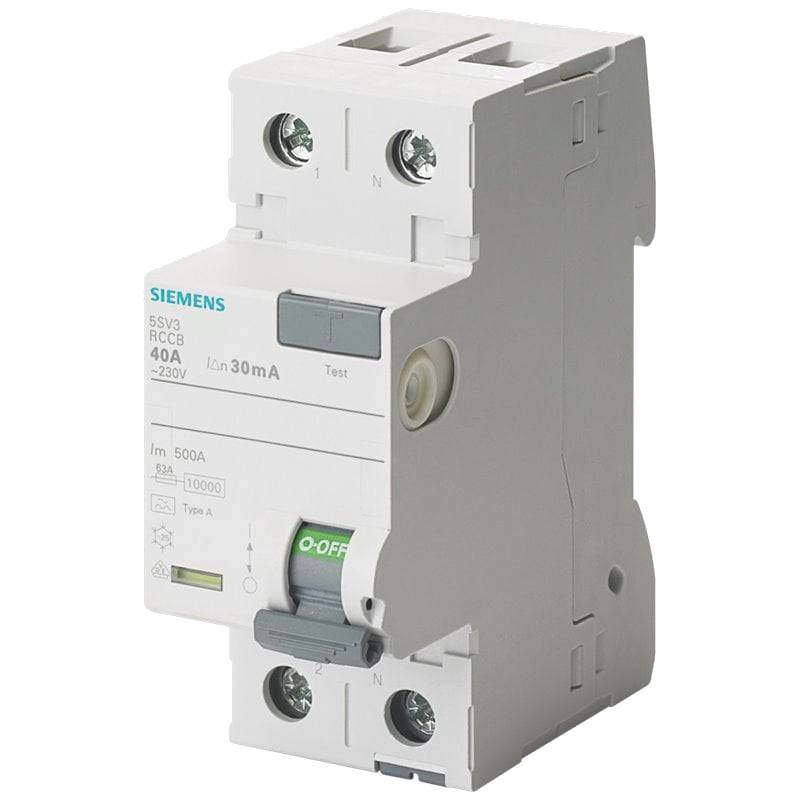













SIEMENS 6SL3210-1PH32-5CL0 PM240-2 FSG C3 Power Module 200kW/250kW 690V Integrated Chopper


The SIEMENS 6SL3210-1PH32-5CL0 PM240-2 FSG C3 Power Module stands as a robust and highly efficient solution for demanding industrial applications requiring precise motor control. This 690V power module, rated at 200kW/250kW, boasts integrated chopper functionality and C3 filtering, ensuring superior performance and compliance in complex electrical environments. Its advanced design prioritizes reliability, energy efficiency, and seamless integration into modern automation systems.
Product Specifications
| Parameter | Value |
| :------------------------- | :---------------------------------------- |
| Product Number | 6SL3210-1PH32-5CL0 |
| Series | SINAMICS G120 (PM240-2) |
| Frame Size | FSG |
| Filter Class | C3 |
| Rated Power (kW) | 200kW (normal duty) / 250kW (high duty) |
| Rated Voltage (V) | 690V |
| Integrated Chopper | Yes |
| Protection Rating | IP20 |
| Dimensions (H x W x D) | (Refer to manufacturer datasheet) |
| Weight | (Refer to manufacturer datasheet) |
| Operating Temperature | -20°C to +40°C (derating above +40°C) |
Core Features & Market Positioning
The SIEMENS 6SL3210-1PH32-5CL0 distinguishes itself through its inherent flexibility and high power density. The PM240-2 series is renowned for its robust construction and advanced control algorithms, making it a preferred choice for applications demanding exceptional motor performance and reliability. The integrated C3 filter significantly reduces electromagnetic interference (EMI), crucial for sensitive industrial networks and compliance with stringent EMC directives. Its ability to handle both normal and high-duty cycles within its specified power ratings further enhances its value proposition in variable speed drive applications. The inclusion of an integrated chopper is a key differentiator, simplifying system design by eliminating the need for an external braking resistor in many dynamic applications, thereby reducing footprint and installation complexity. This positions the SIEMENS 6SL3210-1PH32-5CL0 as a high-performance, cost-effective, and space-saving drive solution for critical industrial processes.
Key Application Scenarios
This power module is ideally suited for a wide array of heavy-duty industrial applications. Its 690V rating and substantial power output make it a prime candidate for driving large pumps, fans, compressors, and extruders in sectors such as mining, oil and gas, water treatment, and heavy manufacturing. The C3 filtering is particularly beneficial in environments with significant electrical noise, such as chemical plants or facilities housing sensitive control equipment. The integrated chopper functionality is advantageous for applications requiring frequent braking or rapid deceleration, common in conveyor systems, hoists, and winders. Its robust design ensures continuous operation under demanding conditions, contributing to increased productivity and reduced downtime in critical industrial processes.
Practical System Integration Guidance
Integrating the SIEMENS 6SL3210-1PH32-5CL0 into an existing or new system requires careful consideration of its power and control requirements. Ensure that the power supply is rated for 690V and can adequately handle the module's peak current demands. Proper grounding is essential to mitigate electrical noise and ensure safety; consult the official Siemens documentation for specific grounding procedures. The module requires a compatible control unit (CU) to function; selection of the appropriate CU depends on the complexity of the control tasks and communication protocols needed. For motor connections, use appropriately sized and shielded cables to minimize inductive interference, especially given the 690V operating voltage. Installation should be in a clean, dry environment with adequate ventilation to maintain optimal operating temperatures and prevent derating. Commissioning involves parameterizing the drive through the connected CU, typically using the SINAMICS Startdrive software, to define motor data, control modes, and safety functions.
Operation and Risk Mitigation
Safe and efficient operation of the SIEMENS 6SL3210-1PH32-5CL0 is paramount. Always ensure that power is completely disconnected and discharged before performing any maintenance or wiring. The module incorporates multiple safety features, including overvoltage, undervoltage, and short-circuit protection. Familiarize yourself with the diagnostic indicators on the module and control unit, as these provide critical information for troubleshooting. Common fault codes relate to motor overload, thermal issues, or communication errors. For instance, faults related to motor thermal monitoring (e.g., F7001) typically require an investigation into the motor's load conditions or the ambient temperature. Implementing proper motor thermal modeling and setting appropriate current limits within the drive parameters are key to preventing such faults and ensuring the longevity of both the motor and the power module. Regular inspection of connections and ventilation pathways will further mitigate operational risks.
Scalability & Long-Term Value
The SIEMENS 6SL3210-1PH32-5CL0, as part of the SINAMICS G120 platform, offers significant scalability and long-term value. Its modular design allows for future upgrades or modifications by simply swapping out control units or adding communication modules, ensuring adaptability to evolving automation strategies. Compatibility with the broader Siemens automation ecosystem, including PLCs like SIMATIC S7, facilitates seamless integration into larger plant-wide control architectures. Furthermore, its support for various industrial communication protocols enables integration with Industrial Internet of Things (IIoT) platforms for advanced data analytics, predictive maintenance, and remote monitoring. This foresight in design ensures that investments in this power module remain relevant and productive for years to come, supporting digital transformation initiatives within industrial facilities.
FAQs
1. What are the primary advantages of the SIEMENS 6SL3210-1PH32-5CL0?
This power module offers high power density and integrated C3 filtering for superior EMI performance. Its integrated chopper simplifies system design by reducing external components. It provides robust control for demanding industrial motor applications.
The module is designed for efficient operation at 690V, suitable for heavy-duty loads like pumps and compressors. Its flexibility allows it to handle both normal and high-duty cycles effectively.
Leveraging the SINAMICS G120 platform ensures future scalability and compatibility with Siemens automation solutions. This enhances long-term investment value and operational flexibility.
2. How does the C3 filter in the 6SL3210-1PH32-5CL0 benefit industrial systems?
The C3 filter significantly suppresses electromagnetic interference (EMI) emitted by the drive. This compliance is crucial for sensitive control systems and network equipment in close proximity.
By reducing EMI, the C3 filter helps achieve electromagnetic compatibility (EMC) standards, essential for meeting regulatory requirements in many industrial sectors. This prevents operational disruptions caused by electrical noise.
This integrated filtering solution simplifies installation by eliminating the need for external filters, saving space and reducing system complexity. It contributes to a more reliable and stable overall system performance.
3. Can the integrated chopper in this power module be used for regenerative braking?
The integrated chopper is primarily designed for dynamic braking applications using an external braking resistor. It dissipates excess energy as heat during deceleration.
While not explicitly designed for pure regenerative braking (feeding energy back to the grid), the chopper facilitates controlled braking torque. This is vital for applications requiring rapid stopping or holding loads.
For full regenerative capabilities, alternative SINAMICS modules or additional hardware configurations might be necessary. Consult Siemens documentation for specific system design requirements.
4. What type of motor is compatible with the SIEMENS 6SL3210-1PH32-5CL0?
This power module is designed to control standard three-phase asynchronous (induction) motors. It offers various control modes to optimize performance for different motor types.
It supports both voltage-frequency (V/f) control and advanced vector control methods for precise speed and torque regulation. This ensures efficient operation across a wide speed range.
Proper motor data must be entered during commissioning via the control unit for optimal performance and protection. Ensure the motor's voltage and power ratings are within the module's capabilities.
5. What are the typical installation requirements for this 690V power module?
Installation requires a stable 690V AC power supply that meets the module's specifications. Adequate ventilation is crucial to prevent overheating and maintain performance.
The module must be installed in a clean, dry environment, away from corrosive substances and excessive dust. Proper grounding and shielding of motor cables are essential for safety and EMI reduction.
Follow the official Siemens installation manual for detailed guidelines on mounting, wiring, and environmental considerations to ensure safe and reliable operation.
6. How is the SIEMENS 6SL3210-1PH32-5CL0 commissioned?
Commissioning is performed using a compatible SINAMICS G120 control unit and the SINAMICS Startdrive commissioning software. This allows for parameterization and configuration of the drive.
Key steps include entering motor data, defining control modes (e.g., V/f, vector control), setting speed and torque limits, and configuring I/O and communication interfaces. Safety parameters are also configured here.
Thorough testing after commissioning is vital to verify correct motor operation, responsiveness, and the functionality of all configured parameters and safety features.
7. What are common troubleshooting steps for this power module?
First, check the diagnostic LEDs on the module and control unit for fault codes. Consult the product manual to interpret these codes and identify the root cause of the issue.
Verify power supply voltages, motor connections, and grounding. Ensure that the ambient temperature is within the operational limits and that ventilation openings are clear.
If the issue persists, review the drive parameters using Startdrive software. Consider a factory reset as a last resort after backing up current parameters.
8. What is the role of the frame size 'FSG' in the product code?
The frame size 'FSG' indicates the physical dimensions and mounting configuration of the power module. Larger frame sizes generally correspond to higher power ratings.
This designation ensures compatibility with specific enclosure types and mounting arrangements within Siemens control cabinets and systems. It dictates the physical footprint.
Understanding the frame size is critical for ensuring the module fits correctly into the intended installation space and integrates mechanically with other components.
9. How does this module contribute to energy efficiency in industrial applications?
Variable speed control allows motors to operate at optimal speeds, significantly reducing energy consumption compared to fixed-speed operation, especially in variable load applications.
The efficient power conversion design of the SINAMICS G120 platform minimizes energy losses during operation. This leads to lower overall energy bills and reduced operational costs.
Features like energy-saving modes and optimized control algorithms further enhance efficiency, making it a cost-effective and environmentally conscious choice for modern industries.
10. What safety features are integrated into the SIEMENS 6SL3210-1PH32-5CL0?
The module incorporates essential electronic safeguards such as overvoltage and undervoltage protection, short-circuit protection, and overtemperature protection. These protect the drive and the motor.
It supports safe torque off (STO) functionality, a crucial safety feature that immediately brings the motor to a standstill without requiring mechanical brakes, enhancing personnel safety.
These integrated safety mechanisms help prevent damage to equipment and ensure a safer working environment by responding rapidly to fault conditions.