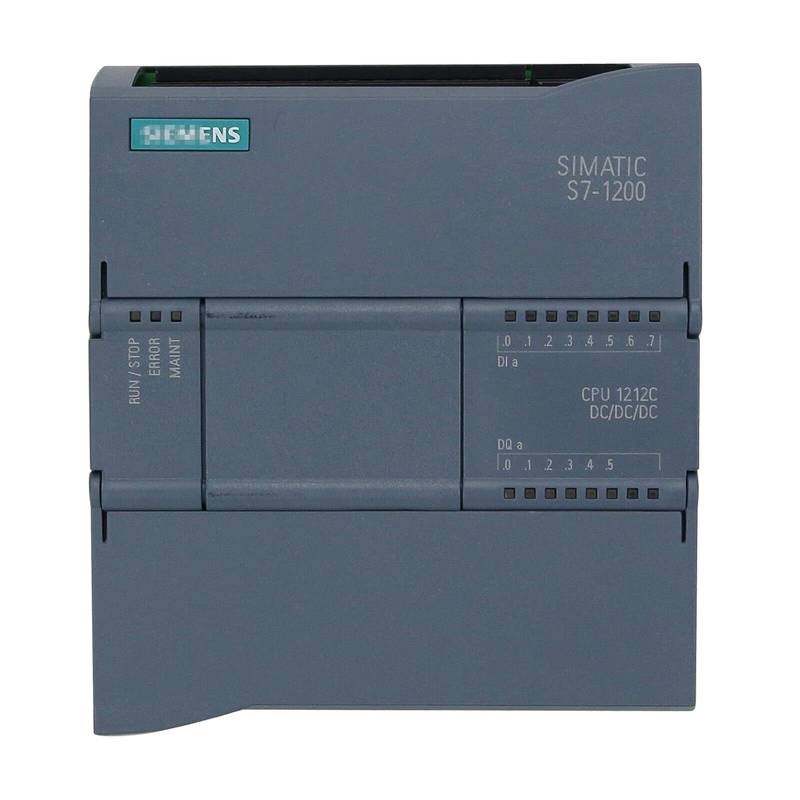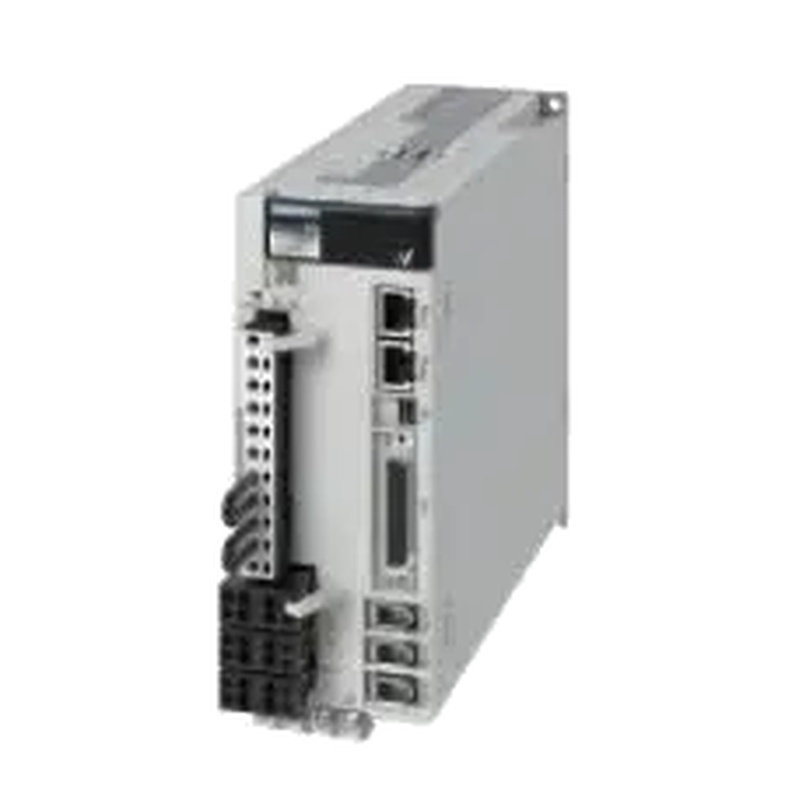












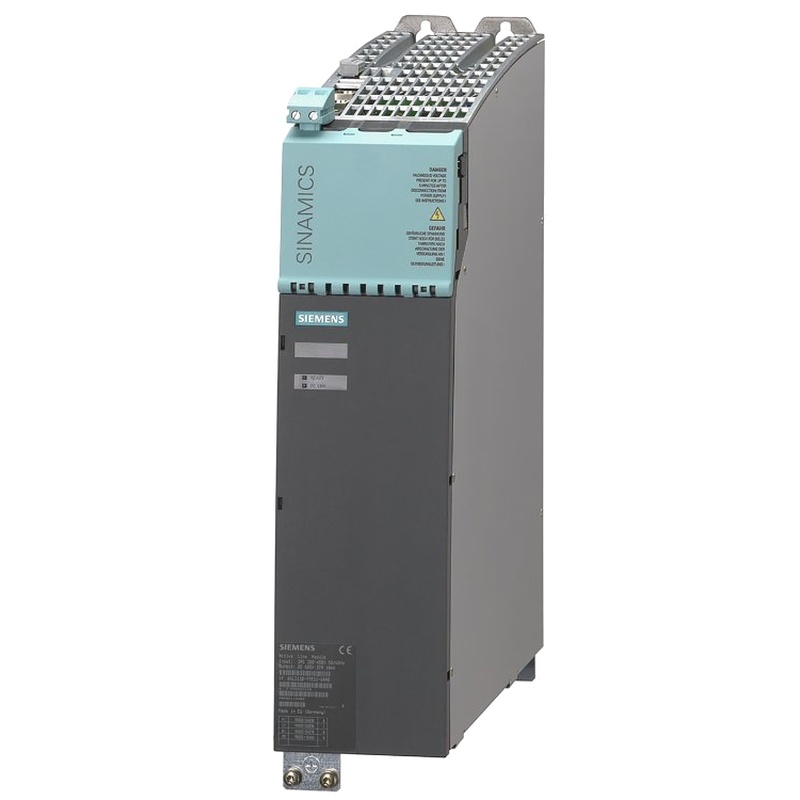
SIEMENS 6SL3721-1TE36-6BE0 SINAMICS S120 Cabinet Modules 2 Motor Module 315kW 655A Flexible Side Installation 480V


The SIEMENS 6SL3721-1TE36-6BE0 SINAMICS S120 Cabinet Module 2 Motor Module stands as a robust solution for demanding industrial applications, offering 315kW of power and 655A current capacity at 480V. Its flexible side installation design enhances adaptability in various cabinet configurations, making it a preferred choice for engineers and system integrators seeking high performance and reliable motor control. This module is engineered for superior efficiency and precise motion control, crucial for optimizing complex automated processes.
Product Specifications
| Parameter | Value |
| :------------------------ | :--------------------------------------- |
| Product Number | 6SL3721-1TE36-6BE0 |
| Series | SINAMICS S120 Cabinet Module 2 |
| Motor Power | 315 kW |
| Rated Current | 655 A |
| Voltage | 480 V |
| Installation Type | Flexible Side Installation |
| Protection Rating (NEMA) | Not specified |
| Control Type | Vector Control, Servo Control |
| Communication Interfaces | PROFINET, PROFIBUS DP (optional) |
| Cooling | Forced air cooling |
| Dimensions (H x W x D) | Varies by specific configuration |
| Ambient Temperature Range | -20°C to +50°C (derating may apply) |
| Approvals | CE, UL, cUL |
Core Features & Market Positioning
The SIEMENS SINAMICS S120 6SL3721-1TE36-6BE0 distinguishes itself through its advanced control capabilities and high power density. It utilizes cutting-edge vector control algorithms, enabling exceptional dynamic performance and precise speed and torque regulation, essential for applications requiring synchronized movements and high-precision automation. The module's flexible side installation feature is a significant differentiator, allowing for more efficient use of cabinet space and simplified maintenance access. Siemens' reputation for reliability and innovation further solidifies the S120's market position as a premium drive system for critical industrial operations.
Key Application Scenarios
This SINAMICS S120 motor module is ideally suited for heavy-duty applications in industries such as manufacturing, material handling, and printing. Its high power and current ratings make it a prime candidate for driving large-scale conveyor systems, complex robotic arms, and high-speed CNC machines where consistent performance and accurate motion are paramount. Furthermore, its compatibility with various communication protocols like PROFINET facilitates seamless integration into distributed control architectures, supporting modern factory automation and Industry 4.0 initiatives.
Practical System Integration Guidance
Integrating the SIEMENS 6SL3721-1TE36-6BE0 requires careful consideration of power supply, motor matching, and control system connectivity. Proper installation involves ensuring adequate ventilation and adhering to NEMA or IP protection requirements for the cabinet environment. For commissioning, engineers typically utilize Siemens' STARTER commissioning software to configure motor data, control parameters, and safety functions. Interconnecting the module with the control system often involves PROFINET for real-time data exchange, ensuring synchronized operation and diagnostics.
Operation and Risk Mitigation
Operating the SINAMICS S120 cabinet module necessitates strict adherence to electrical safety standards and proper handling procedures to mitigate risks. Users should be aware of potential fault codes, such as overcurrent (F700) or thermal overload (F30001), which indicate underlying issues requiring immediate attention and diagnosis. Regular maintenance, including checking connections and monitoring cooling fan operation, is crucial for preventing unexpected downtime and ensuring the longevity of the equipment. Always consult the official Siemens documentation for detailed troubleshooting steps.
Scalability & Long-Term Value
The SIEMENS 6SL3721-1TE36-6BE0 SINAMICS S120 offers significant scalability and long-term value by integrating seamlessly with other Siemens automation components. Its modular design allows for expansion and adaptation to evolving production demands, ensuring that investments in the drive system remain relevant. Furthermore, its compatibility with digital platforms and IIoT solutions enables advanced data analytics for predictive maintenance and process optimization, aligning with the future of smart manufacturing.
Frequently Asked Questions
1. What is the primary function of the SIEMENS 6SL3721-1TE36-6BE0?
This module acts as a powerful motor drive, controlling the speed and torque of industrial motors. It is designed for high-power applications demanding precise motion control in automated systems.
It enables efficient energy management and enhances the dynamic performance of machinery. Its robust design ensures reliable operation even in harsh industrial environments.
The module is a key component in modern automation solutions, facilitating complex manufacturing processes and improving overall productivity and safety.
2. What are the key technical specifications of this SINAMICS S120 module?
The module delivers 315kW of power and handles a rated current of 655A at a 480V supply voltage. Its flexible side installation feature offers practical cabinet integration benefits.
It supports advanced control modes like vector control and servo control for enhanced precision and responsiveness. Communication is typically managed via PROFINET or optional PROFIBUS DP.
The module requires forced air cooling and operates within an ambient temperature range of -20°C to +50°C, with potential derating at higher temperatures.
3. How does the flexible side installation benefit users?
Flexible side installation allows for optimal space utilization within industrial control cabinets. This configuration simplifies wiring and maintenance access for technicians.
It enables engineers to design more compact and efficient electrical panel layouts. This adaptability is crucial for retrofitting older systems or integrating into space-constrained environments.
This design choice enhances overall system modularity and serviceability. It reduces installation time and potential disruptions during maintenance or upgrades.
4. What types of industrial applications are best suited for this module?
This high-power motor module is ideal for demanding applications such as large conveyor systems and material handling machinery. It excels in precise motion control scenarios like robotics and CNC machining.
Industries like manufacturing, packaging, and printing can leverage its performance for high-speed and accurate operations. It is a robust choice for driving heavy loads where consistent power delivery is critical.
Its integration capabilities also make it suitable for complex automated production lines requiring synchronized movements and advanced control.
5. Can this module be integrated with existing Siemens automation systems?
Yes, the SINAMICS S120 series is designed for seamless integration within the broader Siemens automation portfolio. It communicates effectively with PLCs like SIMATIC controllers.
It supports standard industrial communication protocols such as PROFINET, facilitating easy connection to distributed I/O and HMI devices. This ensures system-wide data consistency and control.
This modularity allows for phased upgrades or expansions of existing automation setups, providing long-term investment protection.
6. What are the primary communication protocols supported by the 6SL3721-1TE36-6BE0?
The module natively supports PROFINET for real-time industrial Ethernet communication. This allows for high-speed data exchange with controllers and other network devices.
PROFIBUS DP is often available as an optional communication interface, catering to systems that still utilize this established fieldbus technology. This offers flexibility in integration.
These protocols enable essential functions like diagnostics, parameter setting, and command exchange, crucial for efficient operation and monitoring.
7. What safety features are incorporated into this SINAMICS S120 drive?
This module typically includes integrated safety functions, such as Safe Torque Off (STO). STO prevents unintentional motor start-up, enhancing personnel safety.
Advanced safety options like Safe Stop 1 (SS1) and Safely Limited Speed (SLS) can also be implemented through the drive’s safety integrated functions. These further protect personnel and machinery.
Adherence to relevant safety standards is paramount; users must ensure proper configuration and external safety device integration for full compliance.
8. How is the SIEMENS 6SL3721-1TE36-6BE0 commissioned?
Commissioning is primarily performed using Siemens' STARTER software, which guides through parameterization. This includes motor identification, control loop tuning, and setting operational limits.
The software allows for detailed configuration of I/O, communication settings, and any specific application functions required. It simplifies the setup process for engineers.
Proper pre-checks of wiring, power supply, and grounding are essential before initiating the commissioning sequence to prevent potential issues.
9. What are common troubleshooting issues and fault codes for this module?
Common issues include overcurrent faults (e.g., F700) due to excessive load or motor issues. Thermal overload faults (e.g., F30001) can occur if the drive or motor overheats.
Communication errors, such as parameter inconsistencies or network interruptions, can also arise. These often require checking cable integrity and network configuration.
Always refer to the specific SINAMICS S120 system manual for a comprehensive list of fault codes and their corresponding diagnostic and corrective actions.
10. What is the scalability and upgrade path for SINAMICS S120 systems?
The S120 system is modular, allowing for the addition of more motor modules or expansion modules to increase system capacity. This supports growing production demands.
It integrates well with other Siemens automation products, enabling system expansion and integration into larger Industry 4.0 initiatives. This ensures future-proofing of the installation.
Compatibility with newer communication standards and software updates ensures that the system can remain state-of-the-art and efficient over its lifecycle.