











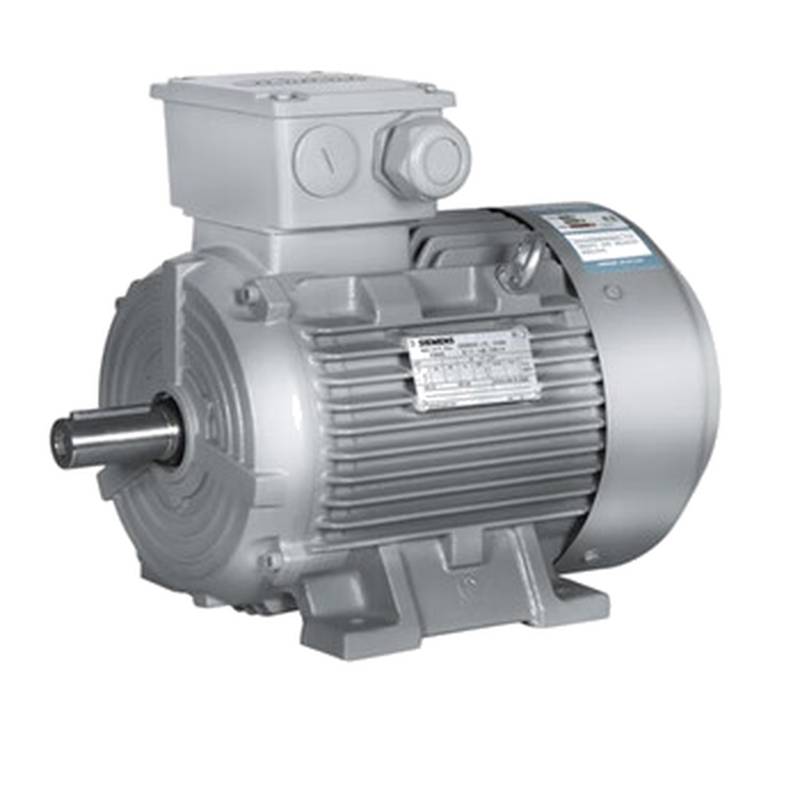
SIEMENS 1TL0003-3BC52-1AA4 IE3 Asynchronous 220 kW 6P


The SIEMENS 1TL0003-3BC52-1AA4 IE3 Asynchronous motor is a robust, high-efficiency industrial powerhouse engineered for demanding applications. This 220 kW, 6-pole motor exemplifies Siemens' commitment to performance and reliability, offering superior energy savings and operational longevity. Its IE3 efficiency rating ensures reduced energy consumption, translating directly into lower operating costs for businesses. With a continuous duty rating and robust construction, it is designed for consistent, demanding industrial use.
Product Specifications
| Specification | Value |
| :--------------------- | :------------------------ |
| Product Number | 1TL0003-3BC52-1AA4 |
| Motor Type | Three-Phase Asynchronous |
| Efficiency Class | IE3 |
| Rated Power | 220 kW |
| Number of Poles | 6 |
| Housing Material | Cast Iron (implied) |
| Protection Rating | IP55 (typical for series) |
| Insulation Class | F (typical for series) |
| Ambient Temperature | -15 to 40°C (typical) |
| Altitude | Up to 1000 m (typical) |
| Cooling Mode | IC411 (typical) |
Core Features & Market Positioning
The SIEMENS 1TL0003-3BC52-1AA4 positions itself as a high-performance, energy-efficient solution within the industrial motor market. Its IE3 rating signifies a commitment to reduced energy waste, aligning with global energy efficiency standards and offering a significant advantage in operational cost reduction compared to lower-efficiency motors. The robust cast iron housing (implied by the 1TL0 series design) provides durability and resistance to harsh industrial environments, a critical factor for end-users seeking long-term reliability. Compared to aluminum-cased motors, cast iron offers superior mechanical strength and vibration damping. This motor is engineered for continuous duty (S1) operation, underscoring its suitability for uninterrupted industrial processes.
Key Application Scenarios
This 220 kW, 6-pole asynchronous motor is ideally suited for a broad spectrum of heavy-duty industrial applications where consistent power and high torque are paramount. Its performance characteristics make it an excellent choice for driving large pumps, fans, compressors, and various types of processing machinery. Industries such as manufacturing, water treatment, power generation, and heavy machinery operation frequently rely on motors of this caliber to maintain continuous production cycles. The 6-pole configuration suggests applications requiring lower rotational speeds with higher torque, common in heavy material handling or large fan systems.
Practical System Integration Guidance
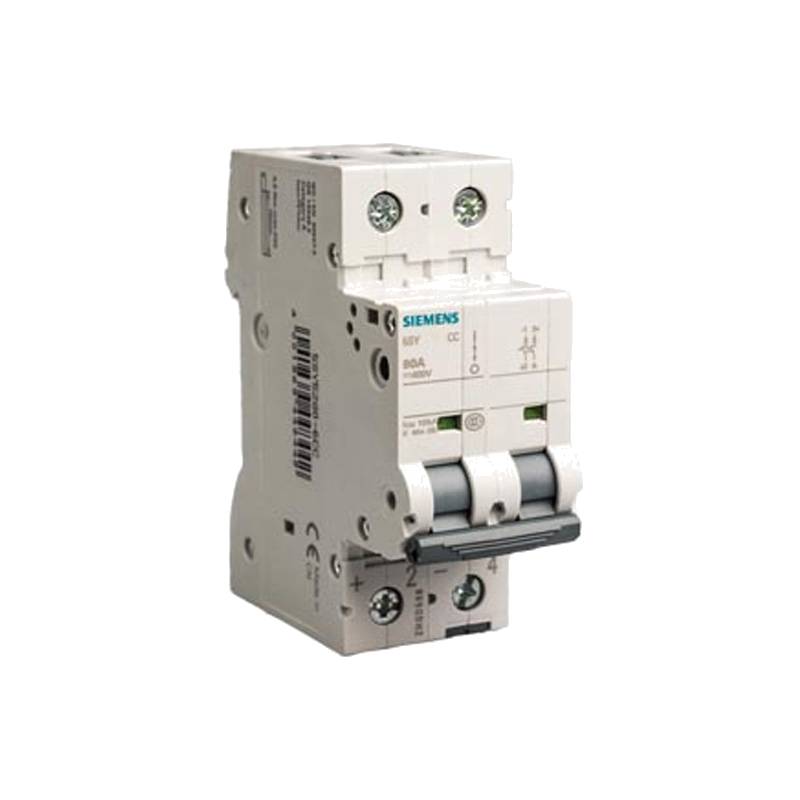
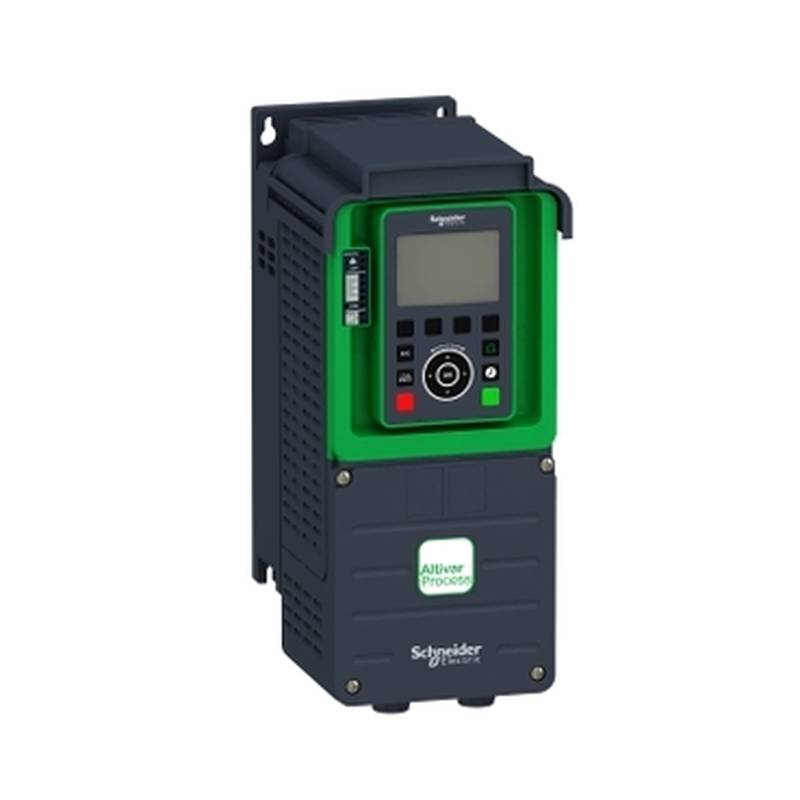
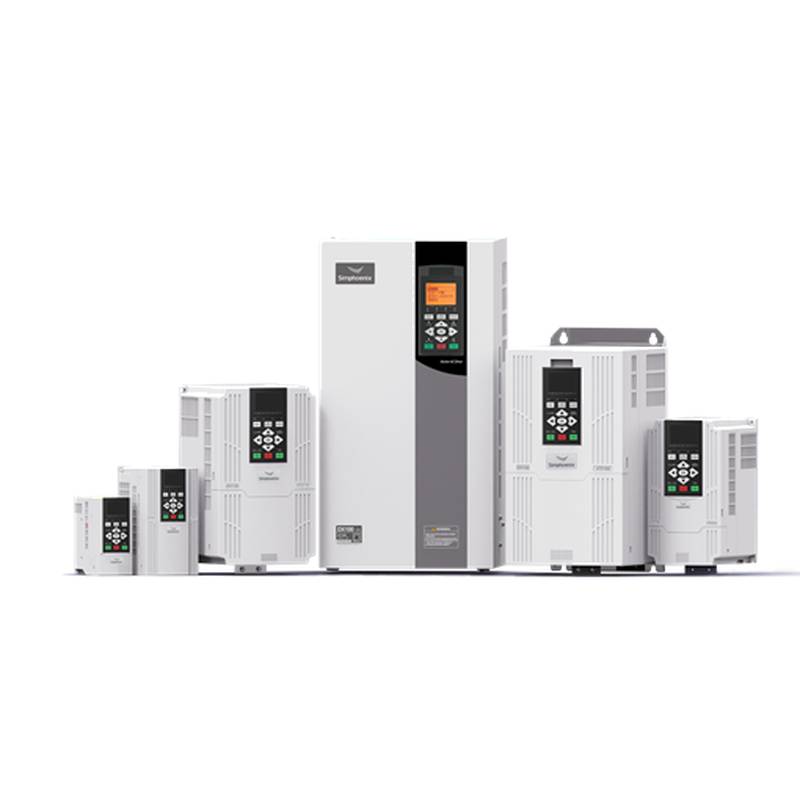
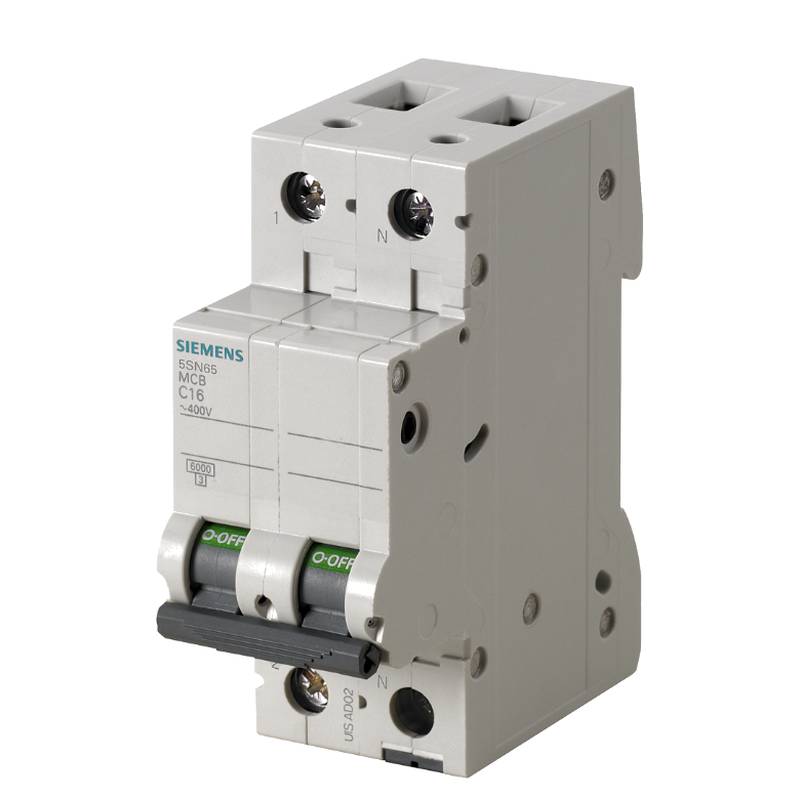
Integrating the SIEMENS 1TL0003-3BC52-1AA4 into existing systems requires careful consideration of the power supply, control mechanisms, and mechanical coupling. For direct-on-line starting, a robust circuit breaker and contactor combination is essential, designed to handle the motor's significant inrush current. Alternatively, for smoother starts and reduced mechanical stress, a soft starter or a variable frequency drive (VFD) can be employed, offering precise control over acceleration and speed. Siemens provides a comprehensive range of starting and control solutions, including SINAMICS frequency inverters, to facilitate seamless integration and optimize motor performance. Proper wiring, adhering to local electrical codes and utilizing appropriately sized conductors, is critical to prevent voltage drop and ensure operational safety.
Operation and Risk Mitigation
Safe and efficient operation of the SIEMENS 1TL0003-3BC52-1AA4 relies on adhering to operational guidelines and proactive maintenance. Key operational considerations include ensuring the motor is adequately ventilated to prevent overheating, as dust and debris can impede cooling and lead to premature failure. Regular inspection of bearings for wear and tear, and the motor's mounting for security, are vital to prevent noise, vibration, and potential catastrophic failure. In the event of operational issues, common troubleshooting steps involve verifying the power supply voltage, checking for mechanical obstructions or imbalances, and ensuring overload protection is correctly set. While specific fault codes are not detailed here, understanding basic electrical troubleshooting is crucial for minimizing downtime.
Scalability & Long-Term Value
The SIEMENS 1TL0003-3BC52-1AA4 contributes to long-term value through its inherent durability, energy efficiency, and compatibility with advanced control systems. Its IE3 rating means it meets current and future energy efficiency mandates, safeguarding against potential regulatory changes and reducing ongoing operational expenses. Furthermore, its design within the Siemens SIMOTICS portfolio suggests compatibility with broader Siemens automation and drive solutions, including IIoT platforms like SIMOTICS CONNECT 400, enabling predictive maintenance and enhanced operational insights. This integration with digital solutions facilitates a transition towards smart manufacturing and Industry 4.0 initiatives, maximizing the motor's lifecycle value.
Frequently Asked Questions (FAQs)
What is the primary advantage of the IE3 efficiency rating for this Siemens motor?
The IE3 efficiency rating signifies a reduction in energy consumption. This leads to lower electricity bills and a smaller carbon footprint for the operating facility.
This improved efficiency translates directly into reduced operational costs over the motor's lifespan. It also aligns with increasing global demands for energy conservation and sustainability.
It ensures compliance with current and future energy efficiency regulations, mitigating risks of obsolescence and future retrofitting costs.
How does the 6-pole configuration of the SIEMENS 1TL0003-3BC52-1AA4 impact its application?
A 6-pole motor operates at a lower synchronous speed (typically around 1000 RPM) compared to 2 or 4-pole motors. This makes it suitable for applications requiring higher torque at lower speeds.
This characteristic is ideal for driving heavy loads such as large pumps, compressors, or conveyors where smooth, consistent power delivery is more critical than high rotational speed.
The lower speed also often results in less mechanical stress on connected equipment, potentially extending its service life and reducing maintenance requirements.
What are typical applications for a 220 kW, 6-pole industrial motor?
This motor is well-suited for heavy-duty industrial processes demanding significant power and torque. Examples include large-scale pumping stations for water or wastewater, industrial ventilation systems, and large compressors in manufacturing plants.
It can also be used in heavy material handling equipment, large mixers, or in industries like mining and cement production where robust, high-torque machinery is standard.
Applications requiring continuous operation under challenging environmental conditions, where reliability and sustained performance are critical, are also prime candidates for this motor.
What are the considerations for starting this high-power asynchronous motor?
Due to its 220 kW rating, direct-on-line (DOL) starting will result in very high inrush currents. This can cause voltage dips and stress on the power grid and motor windings.
Employing a soft starter or a variable frequency drive (VFD) is highly recommended to control the starting torque and current, reducing mechanical shock and electrical stress. Siemens offers various control solutions like SINAMICS VFDs for this purpose.
Properly sized power cables, circuit breakers, and contactors are essential regardless of the starting method to ensure safety and prevent equipment damage.
Can this motor be used with a variable frequency drive (VFD)?
Yes, Siemens IE3 asynchronous motors, including this 1TL0003 series, are generally designed to operate with VFDs for speed control.
Using a VFD allows for precise speed adjustment, further enhancing energy efficiency by matching motor output to the actual load demand, especially in variable torque applications.
It is crucial to ensure the VFD is appropriately sized for the motor's power and voltage, and that any specific VFD-compatible features of the motor (like enhanced insulation if applicable) are considered.
What is the typical enclosure rating and why is it important?
The SIEMENS 1TL0003-3BC52-1AA4 likely has an IP55 enclosure rating, common for the 1TL0 series. This means it offers protection against dust ingress (first digit '5') and water jets from any direction (second digit '5').
This IP rating is critical for industrial environments where motors are exposed to dust, moisture, and occasional water spray, ensuring reliable operation and preventing ingress that could lead to internal damage or short circuits.
The IP55 rating provides a good balance of protection for most general industrial applications, safeguarding the motor from common environmental contaminants without significantly impeding cooling.
What are the implications of the 'F' insulation class?
Class F insulation allows for a higher operating temperature than Class B insulation, typically permitting a temperature rise of 105°C above a 40°C ambient temperature. This provides greater thermal reserve and robustness against temporary overloads or higher ambient temperatures.
This higher insulation class contributes to the motor's reliability and lifespan, as it can better withstand the stresses of operation, especially under varying load conditions.
It means the motor can be designed with higher power density or operate reliably in more demanding thermal environments, offering greater flexibility in application.
How does this motor integrate with Siemens' broader automation ecosystem?
Siemens motors like the 1TL0003 series are designed to integrate seamlessly with Siemens' control and automation platforms, such as SIMATIC PLCs and SINAMICS drives. This allows for comprehensive system control, monitoring, and diagnostics.
The integration facilitates advanced functionalities like condition monitoring, predictive maintenance, and remote diagnostics through platforms like SIMOTICS CONNECT 400, enabling smart factory operations.
Utilizing Siemens' TIA Selection Tool can assist in selecting compatible control components and ensuring a harmonized drive system, optimizing performance and reliability.
What maintenance is typically required for this type of asynchronous motor?
Routine maintenance includes visual inspections for any signs of damage, ensuring cleanliness for proper ventilation, and checking for unusual noises or vibrations. Bearing lubrication (if applicable for the frame size) should be performed according to the manufacturer's schedule.
Electrical checks, such as verifying winding resistance and insulation integrity, may be performed periodically, especially if the motor operates in harsh conditions or has been in service for an extended period.
The primary focus is on preventative measures: ensuring proper installation, correct operational parameters, and addressing any minor issues before they escalate into major failures.
What is the expected lifespan of a SIEMENS 1TL0003-3BC52-1AA4 IE3 motor?
The lifespan of an industrial motor is highly dependent on its operating conditions, maintenance, and application. However, Siemens motors are known for their robust construction and reliability, typically offering many years of service when operated within their specified parameters.
Proper installation, regular preventive maintenance, and avoiding frequent overloading or harsh starting conditions will significantly extend the motor's operational life. The IE3 efficiency also implies robust internal design for better thermal management, contributing to longevity.
Factors like continuous duty operation, appropriate ambient temperature, and correct alignment with driven equipment all play a crucial role in maximizing the motor's service life.