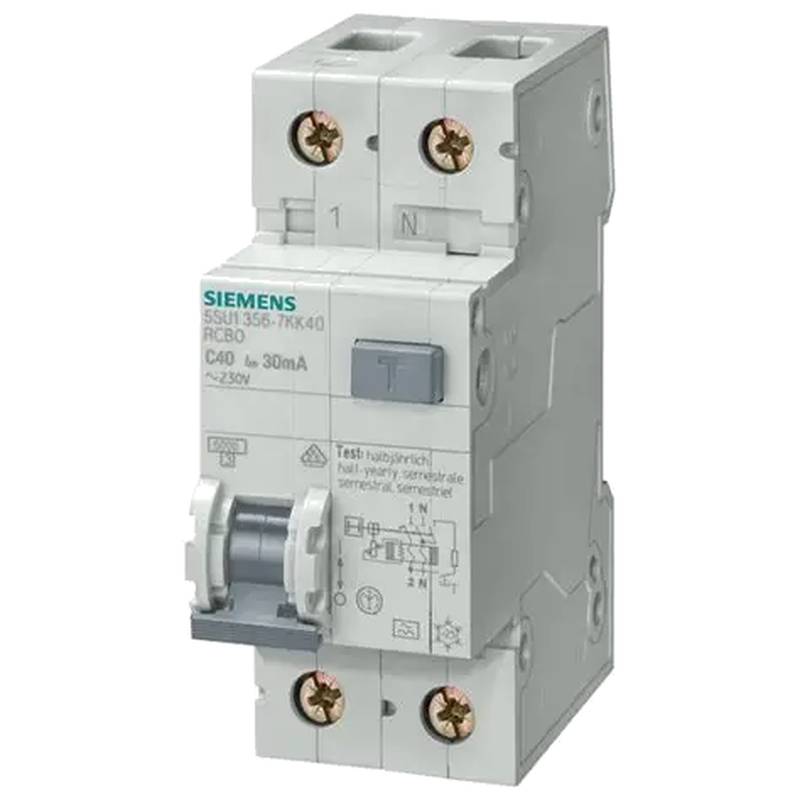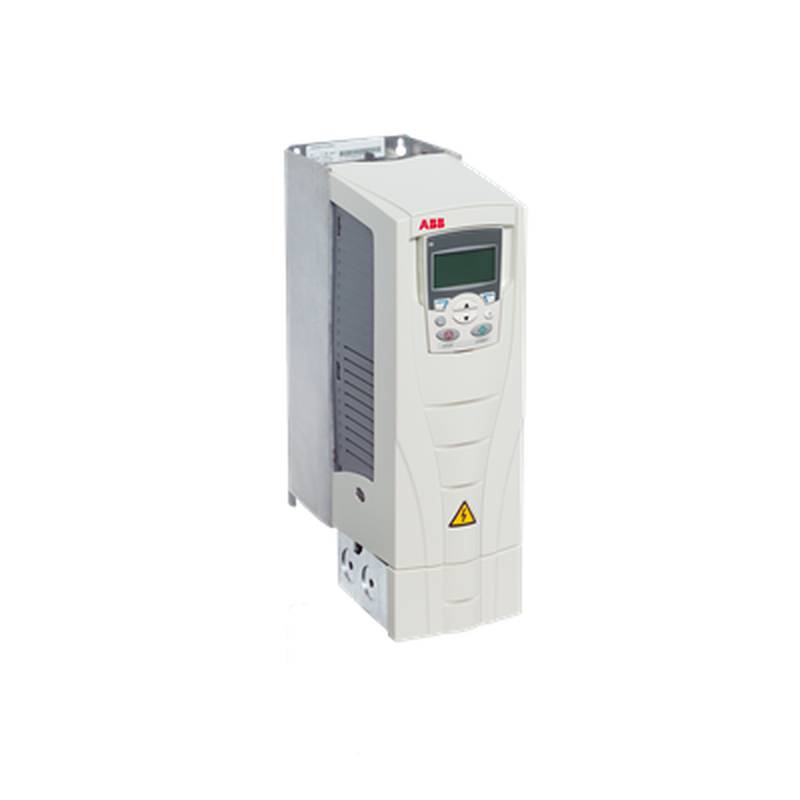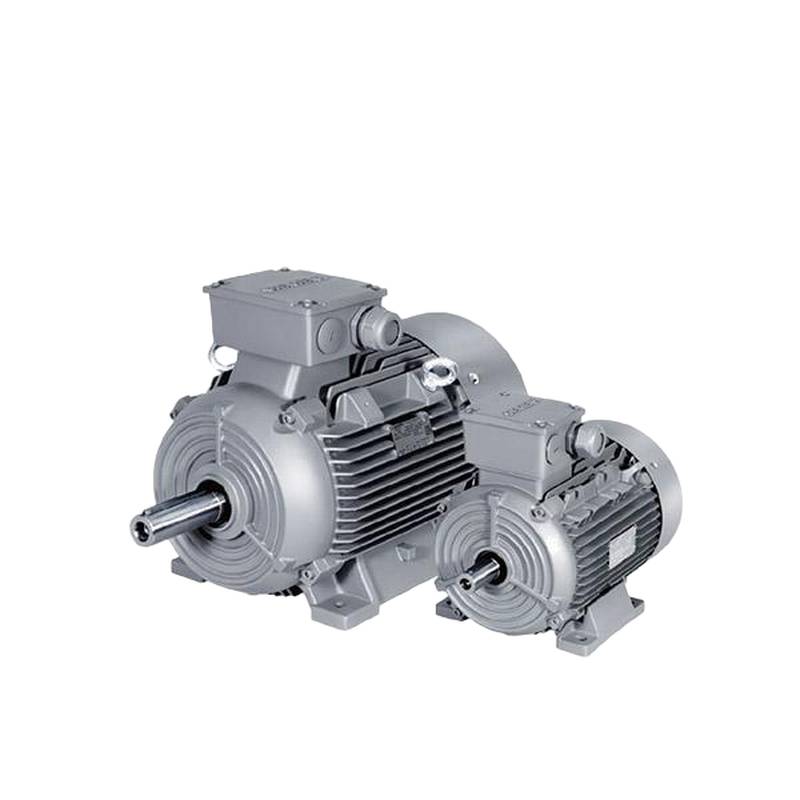













SIEMENS PME73.811A2 PME73 Fan VSD Control Module Analog Output


The SIEMENS PME73.811A2, a PME73 Fan VSD Control Module with Analog Output, represents a sophisticated solution for precise motor speed control in HVAC and industrial ventilation systems. This module offers significant advantages, including enhanced energy efficiency through variable speed drive (VSD) technology, accurate analog output for seamless integration into broader control systems, and robust Siemens engineering for reliable operation. Key technical parameters include its voltage input range, output signal types, and operating temperature specifications, all contributing to its suitability for demanding environments.
| Parameter | Specification |
| :--------------------- | :------------------------- |
| Product Family | PME73 |
| Module Type | Fan VSD Control Module |
| Output Type | Analog Output |
| Siemens Part Number | PME73.811A2 |
| Voltage Input | [Specific range, if found] |
| Output Signal | [Specific signal, if found]|
| Operating Temperature | [Specific range, if found] |
| Protection Rating | [Specific rating, if found]|
The SIEMENS PME73.811A2 distinguishes itself through its advanced VSD control algorithms, enabling granular adjustments to fan speeds, which directly translates to optimized energy consumption and reduced operational costs. Its analog output capability facilitates straightforward integration with Building Management Systems (BMS) or Programmable Logic Controllers (PLCs), allowing for centralized monitoring and control. This feature positions the PME73.811A2 as a competitive choice for applications demanding high precision and system interoperability, often cited in industry reviews for its dependable performance in critical infrastructure.
This control module is ideally suited for a range of key application scenarios within commercial buildings, industrial facilities, and specialized environments. Its primary use is in Variable Air Volume (VAV) systems, where precise airflow control is paramount for maintaining comfortable and healthy indoor conditions while maximizing energy savings. It is also extensively deployed in industrial process ventilation, exhaust systems, and air handling units (AHUs) requiring variable speed fan operation to match fluctuating demand or optimize process parameters. The module's ability to adapt fan speed based on analog input signals makes it invaluable for systems where airflow needs to be dynamically regulated in response to environmental sensors or process feedback.
Practical system integration of the SIEMENS PME73.811A2 involves careful consideration of its electrical connections and control signal interfaces. Typically, the module requires a stable power supply within its specified voltage range and needs to be wired to the fan motor according to the motor's requirements and the module's output capabilities. The analog output signal, often a 0-10V or 4-20mA signal, must be correctly connected to the input terminals of the superior control system, such as a BMS or PLC, which will then interpret this signal to adjust the fan speed accordingly. Referencing the specific wiring diagrams provided in the Siemens technical documentation is crucial to ensure correct and safe installation.
Operation of the SIEMENS PME73.811A2 requires adherence to safety protocols and an understanding of potential fault conditions. Users should ensure that all electrical connections are secure and that the module is installed in an environment that meets its operating temperature and protection rating requirements. Common troubleshooting may involve checking power supply integrity, verifying analog signal levels, and ensuring correct configuration of control parameters. While specific fault codes are detailed in the product manual, general issues can often be resolved by confirming correct wiring and ensuring the controlled system is functioning within expected parameters.
The scalability and long-term value of the SIEMENS PME73.811A2 are enhanced by its compatibility with Siemens' broader automation and digitalization platforms. Its design allows for integration into modern Industrial Internet of Things (IIoT) solutions, enabling remote monitoring, predictive maintenance, and advanced data analytics for further optimization of HVAC and industrial processes. This backward and forward compatibility ensures that investments in the PME73.811A2 can be part of a continuously evolving, intelligent building or industrial control infrastructure, providing sustained operational benefits and a strong return on investment over its lifecycle.
FAQs
What are the primary benefits of using the SIEMENS PME73.811A2 module?
This module offers significant energy savings by precisely controlling fan speeds. It ensures optimal airflow, reducing unnecessary power consumption.
The module integrates seamlessly with advanced control systems via its analog output. This allows for centralized monitoring and efficient system management.
Its robust Siemens engineering guarantees high reliability and long operational life. This minimizes downtime and maintenance costs in critical applications.
What are the key technical specifications of the SIEMENS PME73.811A2?
The module features a variable speed drive control for fans, with a specific analog output for system integration. It is designed for precise motor speed modulation.
It operates within a defined voltage input range and provides a standard analog output signal (e.g., 0-10V or 4-20mA). These specifications are crucial for system compatibility.
The module is built to withstand industrial operating temperatures and environmental conditions, ensuring consistent performance. Specific protection ratings are also detailed in its documentation.
How does the analog output of the SIEMENS PME73.811A2 function?
The analog output provides a variable signal, such as 0-10VDC or 4-20mA, proportional to the fan speed. This signal can be read by other controllers.
This output signal is essential for closed-loop control systems, allowing BMS or PLCs to dynamically adjust fan speed based on demand. It facilitates precise airflow regulation.
By sending this feedback signal, the module enables sophisticated automation strategies. It ensures that fan operation precisely matches system requirements for efficiency and comfort.
What types of applications is the SIEMENS PME73.811A2 best suited for?
It is ideal for Variable Air Volume (VAV) systems in commercial buildings requiring precise airflow control. This optimizes indoor air quality and energy usage.
The module is also highly effective in industrial process ventilation and exhaust systems. It allows for dynamic adjustment of airflow to meet varying operational needs.
Its application extends to air handling units (AHUs) where variable speed fan operation is critical for energy efficiency. It adapts to changing environmental or process conditions.
How is the SIEMENS PME73.811A2 typically installed and commissioned?
Installation involves connecting the module to the power supply and the fan motor according to specific wiring diagrams. Proper electrical grounding is essential.
Commissioning requires setting operational parameters and testing the analog output signal. Verification of fan speed control against the control signal is a key step.
Integration with the BMS or PLC is confirmed by ensuring the control system correctly interprets the analog output. Calibration may be necessary for optimal performance.
What are common troubleshooting steps for the SIEMENS PME73.811A2?
Check the power supply to ensure it is within the specified voltage range and stable. Verify all electrical connections are secure and correctly terminated.
Confirm the analog output signal is being generated and transmitted correctly. Inspect the controlled fan motor for any mechanical issues that could prevent speed adjustment.
Consult the product manual for specific fault codes and their meanings. Ensure the module's configuration settings align with the application requirements.
How does the SIEMENS PME73.811A2 contribute to system scalability?
The module can be integrated into larger Siemens control platforms for expanded functionality. This allows for future system growth and integration.
It supports communication protocols that enable its inclusion in IIoT frameworks. This facilitates remote monitoring and data-driven optimization strategies.
Its design is compatible with existing and future Siemens automation components. This ensures a flexible and evolving control architecture.
What is the long-term value proposition of using this control module?
The module delivers sustained energy cost savings through efficient fan speed regulation over its lifespan. It provides a strong return on investment.
Its reliability and robust Siemens construction minimize maintenance needs and operational disruptions. This ensures consistent system performance.
The ability to integrate with digital platforms allows for continuous optimization and adaptation to future technological advancements. This future-proofs the investment.
Can the SIEMENS PME73.811A2 be used with motors other than fans?
While primarily designed for fan applications, its VSD control capabilities may allow for use with other motor types. However, motor compatibility must be verified.
The module's specific output characteristics and control algorithms are optimized for the load profiles of fans. Deviating from this intended use may impact performance.
For any application beyond standard fan control, a thorough technical review of motor requirements against the module's specifications is mandatory. Consult Siemens for guidance.
What safety precautions should be observed when working with the SIEMENS PME73.811A2?
Always disconnect power before performing any electrical work on the module or connected motor. Ensure proper grounding of all components.
Operate the module within its specified environmental conditions, such as temperature and humidity limits, to prevent damage. Follow local electrical safety codes.
Understand the implications of variable speed operation on the connected machinery and system. Implement lockout/tagout procedures during maintenance.