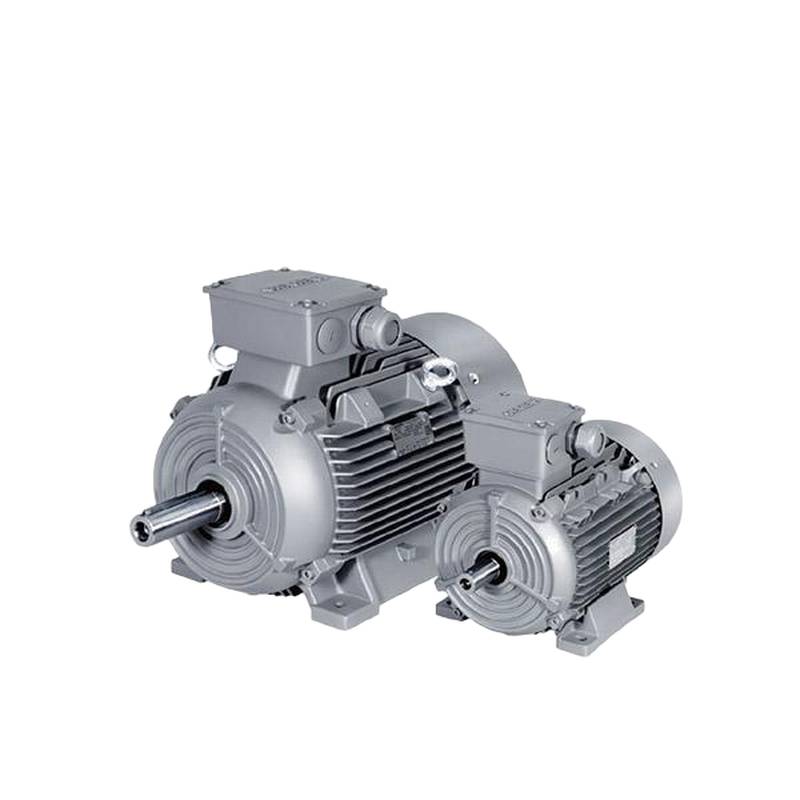












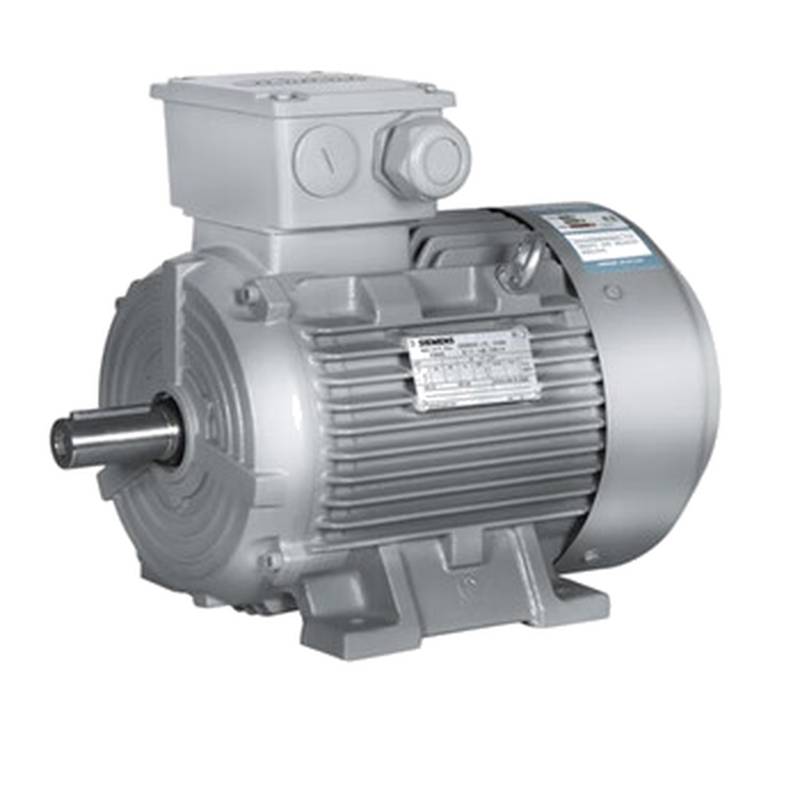
SIEMENS 1TL0003-2BD02-1AA4 18.5 kW 8 Pole Motor


The SIEMENS 1TL0003-2BD02-1AA4 is a robust 18.5 kW, 8-pole motor engineered for demanding industrial applications, offering high efficiency and reliable performance. Its advanced design focuses on delivering consistent power output and minimizing energy consumption, making it a cost-effective and sustainable choice for various manufacturing processes. This motor distinguishes itself through its superior thermal management and durable construction, ensuring longevity even in harsh operating environments.
Product Specifications
| Feature | Specification |
| :---------------------- | :-------------------------------------- |
| Manufacturer | SIEMENS |
| Product Number | 1TL0003-2BD02-1AA4 |
| Power | 18.5 kW |
| Number of Poles | 8 |
| Voltage | Customizable (e.g., 400V, 460V) |
| Frequency | 50 Hz / 60 Hz |
| Efficiency Class | IE3 (Premium Efficiency) |
| Frame Size | 160M |
| Protection Class | IP55 |
| Insulation Class | F |
| Mounting Type | B3 (Foot-mounted) |
| Enclosure Type | TEFC (Totally Enclosed Fan Cooled) |
| Bearing Type | Ball Bearings |
| Ambient Temperature | -20°C to +40°C |
| Duty Cycle | S1 (Continuous Duty) |
| Direction of Rotation | Bidirectional |
| Rotor Type | Squirrel Cage |
Core Features & Market Positioning
The SIEMENS 1TL0003-2BD02-1AA4 positions itself as a premium solution for industries prioritizing energy efficiency and operational reliability. Its IE3 efficiency rating significantly reduces energy costs over the motor's lifecycle, a key differentiator in today's competitive industrial landscape. The robust construction, featuring an IP55 protection class, ensures resilience against dust and water ingress, making it suitable for challenging environments where other motors might falter. This motor’s inherent durability and Siemens' reputation for quality cement its standing as a dependable workhorse in critical industrial processes.
Key Application Scenarios
This 18.5 kW, 8-pole motor excels in applications requiring high torque at lower speeds, such as in conveyor systems, pump drives, and fan applications within the chemical, food and beverage, and material handling sectors. Its suitability for continuous duty (S1) operation makes it ideal for processes that run 24/7, ensuring uninterrupted production. Industries relying on consistent, controlled power delivery will find the SIEMENS 1TL0003-2BD02-1AA4 to be an indispensable component for maintaining operational efficiency and output quality.
Practical System Integration Guidance
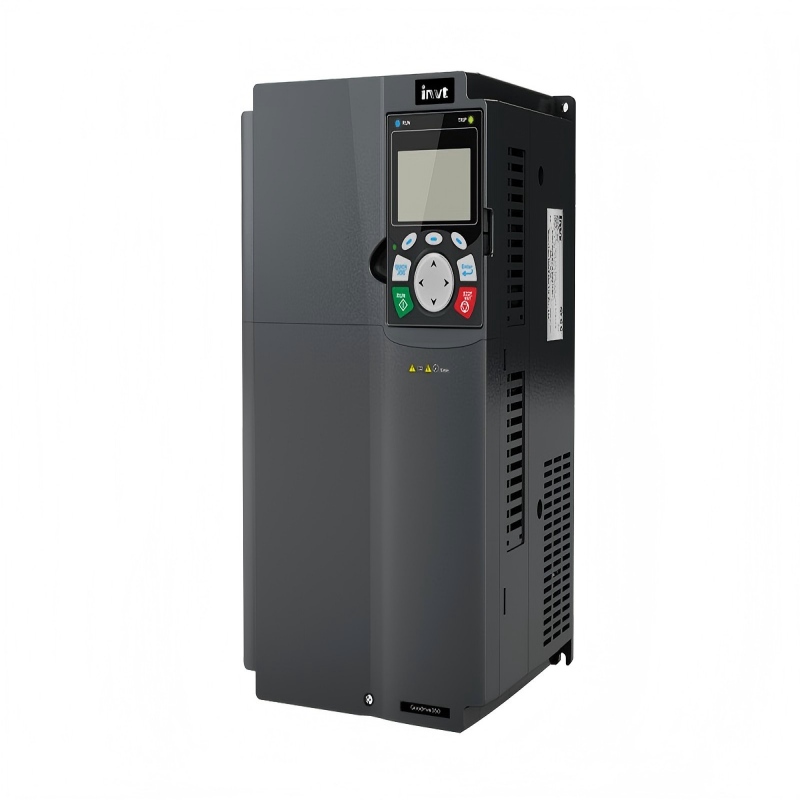
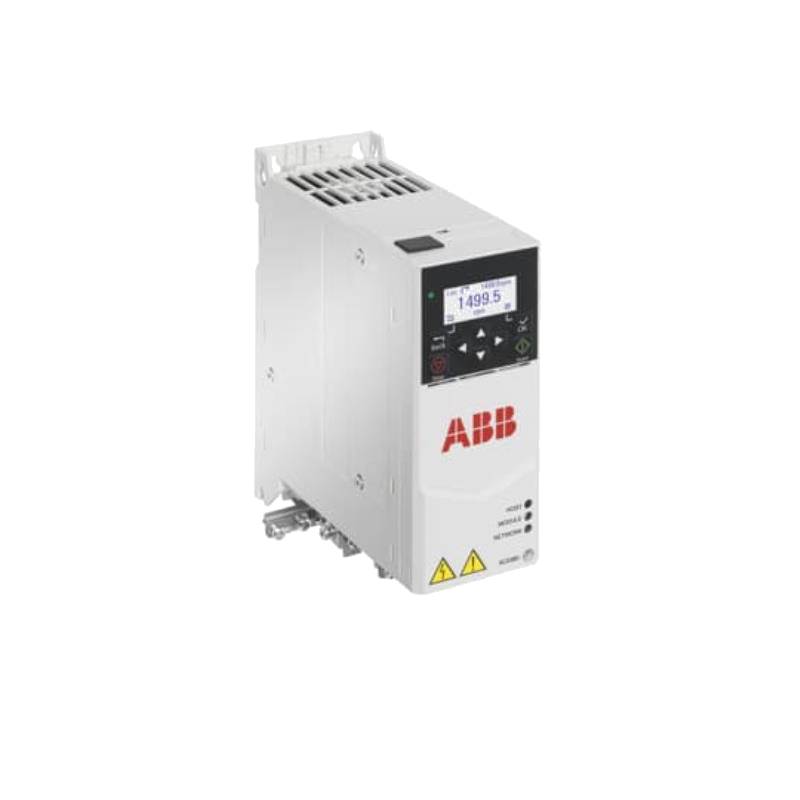
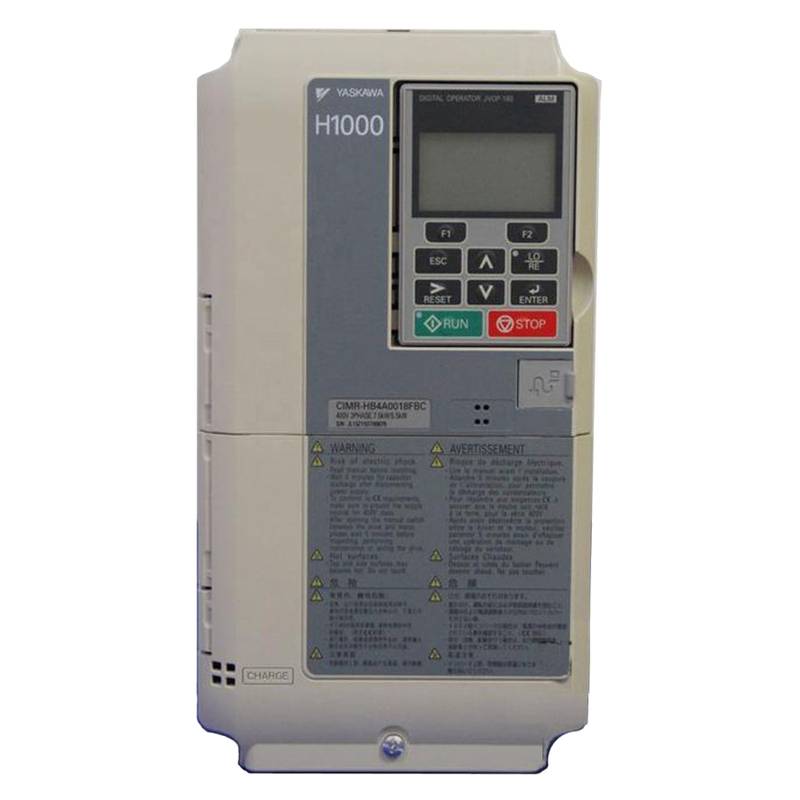
Integrating the SIEMENS 1TL0003-2BD02-1AA4 involves standard electrical connections for its rated voltage and frequency, typically through a direct-on-line starter or a variable frequency drive (VFD) for speed control. Ensure proper grounding for safety and consider the motor's thermal characteristics when selecting a VFD to prevent overheating. The B3 mounting allows for straightforward installation onto standard machine bases. For optimal performance and longevity, it is crucial to align the motor shaft precisely with the driven equipment and ensure adequate ventilation around the motor, especially when operating at higher loads or in confined spaces. Regular lubrication of bearings, following manufacturer guidelines, is also vital for smooth operation.
Operation and Risk Mitigation
Operating the SIEMENS 1TL0003-2BD02-1AA4 requires adherence to standard industrial electrical safety protocols. Before maintenance or inspection, always de-energize and lock out the power supply to prevent accidental startup. Monitoring motor temperature and vibration levels can preempt potential issues. Common troubleshooting may involve checking electrical connections for looseness or corrosion, ensuring the power supply matches the motor's specifications, and verifying that the load does not exceed the motor's rated capacity. Overheating is a primary risk, often mitigated by ensuring proper cooling airflow and avoiding operation in ambient temperatures beyond its specified limits. If the motor trips a thermal overload, allow it to cool down completely before attempting to restart and investigate the cause of the overload.
Scalability & Long-Term Value
The SIEMENS 1TL0003-2BD02-1AA4 offers significant long-term value through its inherent durability and compatibility with modern automation systems. Its IE3 efficiency rating contributes to reduced operating expenses, enhancing the total cost of ownership. While this specific motor model is designed for a fixed power output, scalability often comes into play at the system design level, where multiple such motors can be deployed in parallel or configured with VFDs for sophisticated process control. Integration with Siemens' broader industrial automation portfolio, including PLCs and IIoT platforms, allows for advanced monitoring, predictive maintenance, and optimized performance, ensuring the motor remains a valuable asset throughout its extended service life.
FAQs
Q1: What are the primary benefits of using the SIEMENS 1TL0003-2BD02-1AA4 motor?
This motor delivers exceptional energy efficiency, significantly lowering operational costs.
It boasts a robust, IP55-rated construction for reliable performance in harsh environments.
The 8-pole design ensures high torque at lower speeds, ideal for specific industrial tasks.
Q2: Can this SIEMENS motor be used with a Variable Frequency Drive (VFD)?
Yes, the SIEMENS 1TL0003-2BD02-1AA4 motor is compatible with VFDs for speed control.
Using a VFD allows for precise speed adjustment, optimizing process efficiency and energy savings.
Ensure the VFD is correctly sized and configured to prevent motor overheating and ensure optimal performance.
Q3: What is the typical operating temperature range for this motor?
This motor is designed to operate reliably in ambient temperatures from -20°C to +40°C.
Operating outside this range can impact performance and potentially reduce the motor's lifespan.
Proper ventilation is crucial, especially at the higher end of the temperature range, to maintain performance.
Q4: How does the IE3 efficiency rating benefit users of the 1TL0003-2BD02-1AA4?
IE3 means it meets stringent energy efficiency standards, reducing electricity consumption.
Lower energy usage translates directly to reduced operating costs and a smaller carbon footprint.
This rating also signifies a more sustainable and environmentally conscious choice for industrial operations.
Q5: What maintenance is required for the SIEMENS 1TL0003-2BD02-1AA4?
Regular inspection of electrical connections for tightness and corrosion is essential.
Bearing lubrication according to the manufacturer's schedule is critical for longevity.
Routine checks for vibration and unusual noises can help identify potential issues early.
Q6: What does the IP55 protection class signify for this motor?
IP55 means the motor is protected against dust ingress and low-pressure water jets.
This makes it suitable for use in dusty environments and areas where cleaning with water occurs.
It provides a good level of protection against common industrial contaminants and moisture.
Q7: Can this 8-pole motor be used for high-speed applications?
No, an 8-pole motor inherently operates at lower speeds compared to motors with fewer poles.
It is specifically designed for applications requiring high torque at reduced RPM.
For high-speed applications, motors with 2 or 4 poles would be more appropriate.
Q8: What is the meaning of "TEFC" enclosure for this motor?
TEFC stands for Totally Enclosed Fan Cooled, indicating effective heat dissipation.
An external fan mounted on the motor shaft blows air over the motor's surface.
This ensures the motor remains cool even under continuous operation and heavy loads.
Q9: How should the SIEMENS 1TL0003-2BD02-1AA4 be installed for optimal performance?
Mount it securely using the B3 foot mounts on a stable, vibration-free surface.
Ensure proper alignment between the motor shaft and the driven equipment to minimize stress.
Provide adequate clearance around the motor for effective cooling and air circulation.
Q10: What are common troubleshooting steps if the motor does not start?
First, verify that the power supply is correctly connected and within the motor's voltage/frequency specifications.
Check for any tripped circuit breakers or blown fuses in the power supply circuit.
Inspect the motor for any visible damage or obstructions and ensure the load is not excessively high.