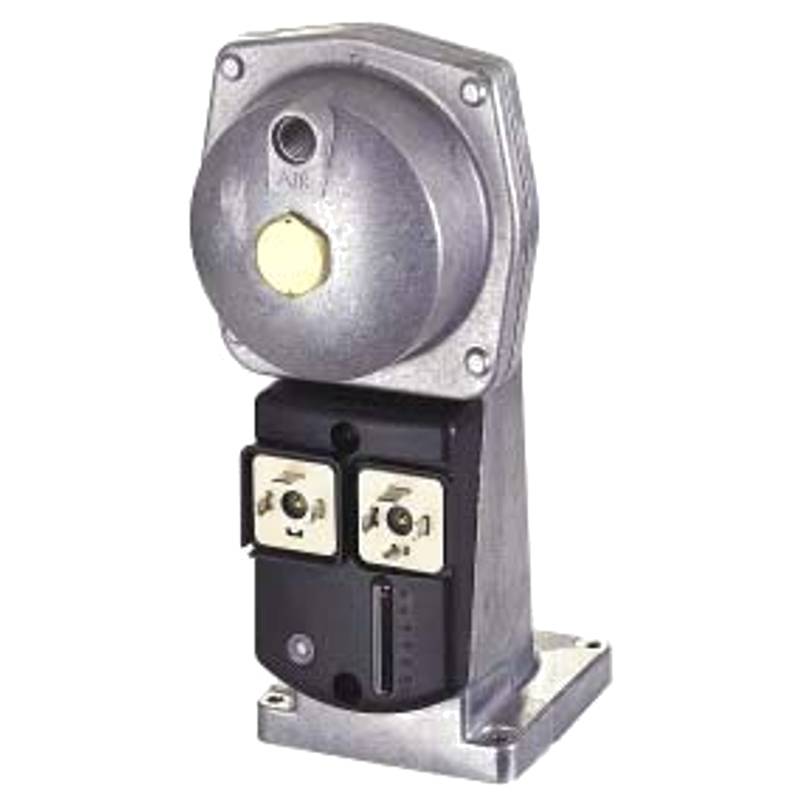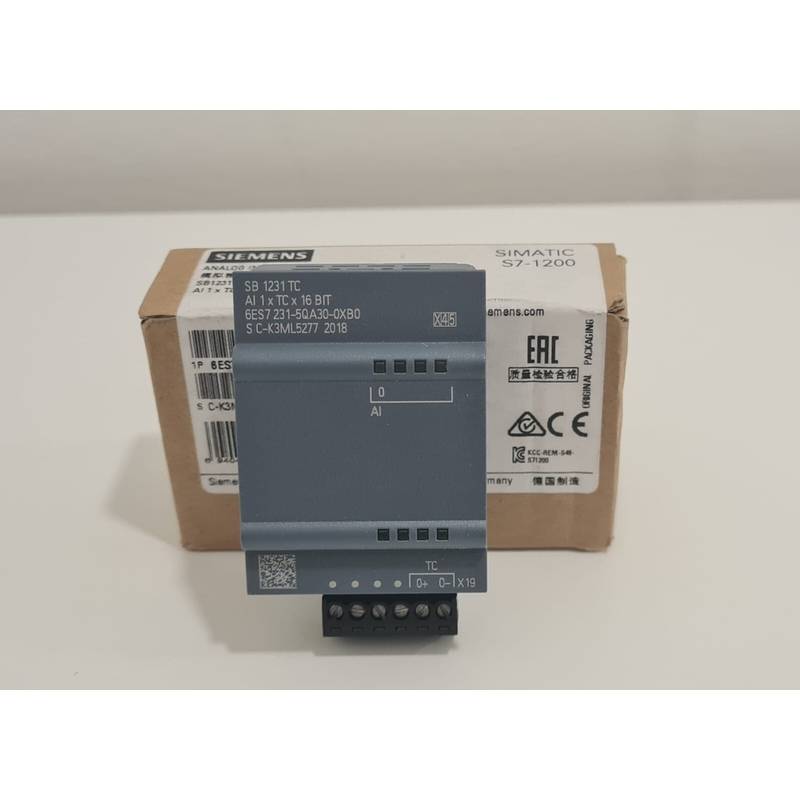













Siemens SQN30.121A2700 Combustion System Control Actuator


The Siemens SQN30.121A2700 Combustion System Control Actuator is a robust solution engineered for precise control in industrial combustion applications. This actuator distinguishes itself through its high reliability, exceptional accuracy, and seamless integration capabilities. Key technical parameters include a supply voltage of AC 24V, an output torque of 5 Nm, and an operating temperature range of -20 to +60 °C, making it suitable for demanding environments. Its compact design and advanced control logic ensure efficient and safe burner operation, positioning it as a preferred choice for original equipment manufacturers (OEMs) and facility managers alike. The SQN30.121A2700 is designed for direct mounting and features internal end switches for immediate feedback on actuator position, enhancing system safety and responsiveness.
Product Specifications
| Specification | Value |
| :------------------------- | :----------------- |
| Supply Voltage | AC 24V |
| Torque | 5 Nm |
| Operating Temperature | -20 to +60 °C |
| Protection Class | IP40 |
| Actuator Type | Rotary |
| Control Signal | 0-10V DC / 4-20mA |
| Stroke Angle | 90° |
| Running Time | 150 s |
| Cable Entry | M16 x 1.5 |
| Application | Burner control |
| Mounting | Direct |
| Auxiliary Switches | 2 (adjustable) |
Core Features & Market Positioning
The Siemens SQN30.121A2700 excels in its market segment due to its dependable performance and intelligent control features. Its high-precision positioning capability ensures optimal fuel-air mixture, leading to improved combustion efficiency and reduced emissions. Unlike simpler actuators, the SQN30.121A2700 integrates diagnostic capabilities, allowing for proactive maintenance and minimizing downtime. This actuator is engineered to meet stringent industry standards for safety and reliability, a critical factor in combustion control systems. Its robust construction and extended lifespan contribute to a lower total cost of ownership, making it a commercially astute investment for continuous operation.
Key Application Scenarios
This actuator is extensively deployed in controlling gas and oil burners across various industrial sectors. It is integral to boiler systems in commercial buildings, industrial process heating, and power generation facilities, ensuring precise flame modulation. The SQN30.121A2700's versatility makes it suitable for applications requiring accurate positioning of dampers and valves, such as in HVAC systems and industrial furnaces. Its ability to withstand demanding environmental conditions further expands its use in sectors like petrochemicals and manufacturing where consistent process control is paramount.
Practical System Integration Guidance
Integrating the Siemens SQN30.121A2700 into existing control systems is straightforward. The actuator typically connects to the burner control unit via a dedicated wiring harness. Ensure proper grounding and secure connections to prevent electrical interference. The adjustable auxiliary switches can be wired to signal the position of the burner air damper or fuel valve to the main control system, enhancing interlocks and operational feedback. Calibration often involves setting the end stops for the 90° stroke to match the mechanical limits of the connected damper or valve.
Operation and Risk Mitigation
The SQN30.121A2700 operates by receiving a control signal from a burner management system, which dictates the desired position of the connected damper or valve. During operation, it is crucial to monitor system performance for any deviations from expected behavior. Any unusual noises, slow response times, or failure to reach end positions may indicate a problem. Risk mitigation involves regular visual inspection, checking electrical connections, and ensuring the actuator is free from excessive dust or debris. Always follow lockout procedures before performing any maintenance.
Scalability & Long-Term Value
While the SQN30.121A2700 is a standalone actuator, its integration into modern control platforms offers significant long-term value. Compatibility with various burner control units ensures it can be part of phased upgrade strategies. Future-proofing is addressed by its ability to integrate with digital communication protocols when used in conjunction with compatible control systems, paving the way for IIoT integration and remote monitoring capabilities. Siemens' commitment to product longevity and support further solidifies its long-term value proposition.
Frequently Asked Questions
What is the primary function of the Siemens SQN30.121A2700?
The Siemens SQN30.121A2700 serves as a critical actuator in combustion systems. It precisely controls the positioning of air dampers and fuel valves for optimal burner performance. This ensures efficient fuel-air ratios are maintained.
This actuator is essential for regulating the combustion process safely and effectively. It allows for fine-tuning of the burner's operation. Its primary goal is to achieve stable and efficient flame control.
By translating control signals into mechanical movement, it enables automated adjustment of fuel and air intake. This is vital for maintaining consistent heat output and minimizing emissions.
How does the SQN30.121A2700 ensure safety in combustion applications?
Safety is paramount in combustion systems, and this actuator contributes significantly. It incorporates internal end switches that provide critical feedback on its position. These switches can be wired to safety interlocks within the burner management system.
If the actuator fails to reach a safe position or encounters an obstruction, these switches signal an alarm or shut down the burner. This prevents hazardous conditions like fuel accumulation or incomplete combustion.
Furthermore, its reliable construction and adherence to industry safety standards minimize the risk of mechanical failure during operation. This inherent robustness enhances overall system safety.
What are the typical voltage and torque specifications for this actuator?
The Siemens SQN30.121A2700 operates on a supply voltage of AC 24V. This is a common voltage standard for many industrial control components. Its output torque is rated at 5 Nm.
This torque rating is sufficient to reliably move and position most standard air dampers and fuel valves used in many burner applications. It ensures the actuator can overcome resistance and maintain its set position.
The combination of AC 24V operation and 5 Nm torque makes it a versatile choice for a wide range of combustion equipment. It balances power requirements with energy efficiency.
Can the SQN30.121A2700 be used with different types of fuel?
Yes, the Siemens SQN30.121A2700 is designed for broad compatibility with various fuel types. It is commonly used with natural gas and oil burners. Its function is to control the physical positioning of dampers and valves.
The actuator itself does not interact with the fuel's chemical properties. Instead, it adjusts the mechanical components that regulate fuel and air flow. This makes it adaptable to different combustion processes.
Therefore, as long as the associated burner control system is designed for a specific fuel, this actuator can be integrated. Its role is purely mechanical and positional.
What is the operating temperature range for the SQN30.121A2700?
The Siemens SQN30.121A2700 is engineered to perform reliably within a broad temperature range. It can operate effectively in environments from -20°C to +60°C. This wide range allows for its deployment in many different industrial settings.
This specification is crucial for applications in varying climates or near heat-generating equipment. It ensures consistent performance regardless of ambient temperature fluctuations.
Maintaining operation within this specified range is key to its longevity and the safety of the combustion system it controls. Extreme temperatures outside this range can impair performance.
How is the actuator typically mounted and connected in a system?
The SQN30.121A2700 is designed for direct mounting onto the burner assembly. This simplifies installation and reduces the need for complex linkages. It typically attaches to the shaft of the damper or valve it controls.
Electrical connections are made via a terminal block or plug. The AC 24V power supply and control signals are wired to specific terminals. Proper wiring is essential for correct operation and safety interlocks.
Consulting the product manual for specific wiring diagrams and mounting instructions is highly recommended. This ensures correct installation and integration with the burner management system.
What kind of control signals does the SQN30.121A2700 accept?
This actuator is versatile and can accept analog control signals for precise positioning. It is compatible with standard industrial signals such as 0-10V DC and 4-20mA. These signals are typically provided by the main burner control unit.
The type of signal used depends on the overall control strategy and the capabilities of the connected controller. Both voltage and current signals offer proportional control of the actuator's stroke.
This flexibility allows it to be integrated into a wide array of existing or new control architectures. It ensures compatibility with various types of burner management systems.
What do the auxiliary switches on the SQN30.121A2700 do?
The SQN30.121A2700 features adjustable auxiliary switches. These switches provide electrical feedback on the actuator's position during its stroke. They are often used to confirm when the damper or valve has reached specific points.
These feedback signals can be utilized by the burner control system for safety interlocks or to indicate operational status. For example, they can confirm that the air damper is fully open before ignition.
Setting and adjusting these switches is a critical part of the commissioning process. Accurate adjustment ensures reliable interlocks and safe burner sequencing.
What is the running time of the actuator and why is it important?
The running time for the SQN30.121A2700 to complete its 90° stroke is approximately 150 seconds. This relatively slow, controlled movement is crucial for safe burner operation. It allows for proper purging of the combustion chamber before ignition.
A slow running time prevents rapid changes in fuel and air flow. This controlled modulation helps to avoid unstable flames and potential explosions. It ensures a gradual transition between operating states.
This specification is a key design feature for safe burner sequencing. It dictates how quickly the actuator can respond to control signals while maintaining safety protocols.
How can I troubleshoot common issues with this actuator?
Common issues often relate to electrical connections, power supply, or mechanical obstructions. First, verify that the AC 24V supply is present and correct. Check all wiring for loose connections or damage.
Inspect the actuator for any signs of external damage or obstructions preventing movement. Ensure the connected damper or valve operates freely without excessive resistance. The auxiliary switches may also need adjustment if they are not signaling correctly.
If the actuator fails to respond or moves erratically, consult the Siemens technical documentation or contact support. Fault codes might be indicated by the burner control unit, providing further diagnostic clues.