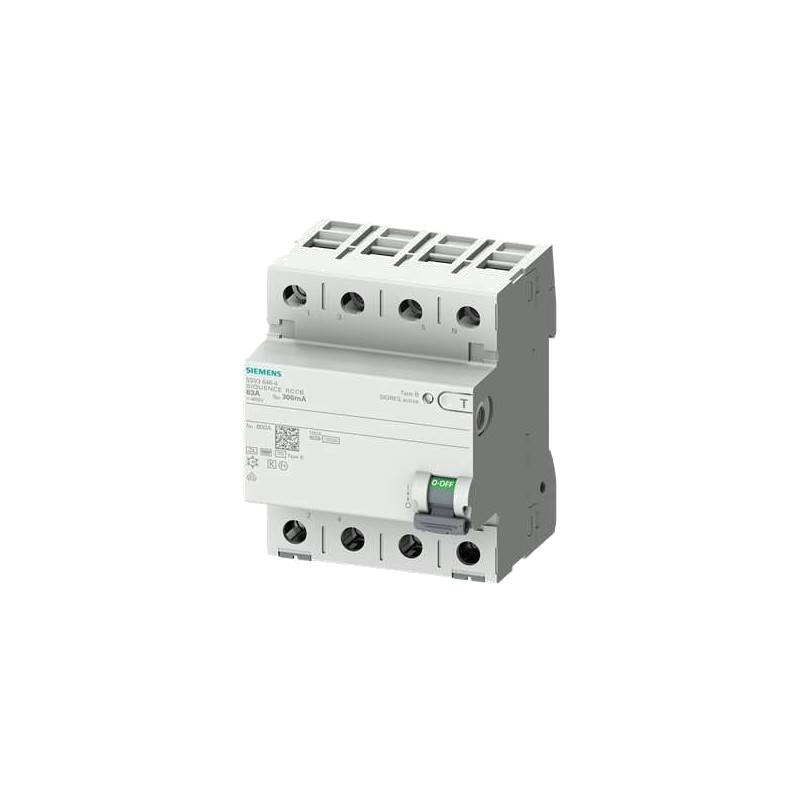
SIEMENS GBB131.1E Air Damper Actuator Non-Spring Return


The SIEMENS GBB131.1E Air Damper Actuator Non-Spring Return is a robust electromechanical device engineered for precise control of air dampers in HVAC systems. Its key advantages include reliable operation, energy efficiency, and seamless integration into Building Management Systems (BMS). Core features encompass a powerful synchronous motor, direct mounting capability, and adjustable angle of rotation. Technically, it operates with a nominal torque of 100 Nm, a nominal operating current of 0.23 A, and a rated voltage of AC 230 V, making it suitable for demanding industrial and commercial applications.
| Feature | Specification |
| :---------------------- | :---------------------------------- |
| Nominal Torque | 100 Nm |
| Nominal Operating Current | 0.23 A |
| Rated Voltage | AC 230 V |
| Power Consumption | 5.5 VA |
| Control Signal | 3-point step (increase/decrease) |
| Manual Override | Yes |
| Protection Class | IP54 |
| Ambient Temperature | -25 to +50 °C |
| Dimensions (W x H x D) | 254 x 134 x 147 mm |
| Weight | Approx. 2.5 kg |
Core Features & Market Positioning
The SIEMENS GBB131.1E actuator distinguishes itself through its non-spring return functionality, ensuring the damper remains in its last position upon power failure, a critical feature for maintaining system integrity and preventing uncontrolled air movement. Its direct mounting design simplifies installation and reduces component count, translating to lower labor costs and faster deployment. The actuator's high nominal torque of 100 Nm allows it to handle large and potentially stiff dampers, providing dependable performance where other actuators might falter. This reliability, coupled with Siemens' reputation for quality and innovation in building automation, positions the GBB131.1E as a preferred choice for engineers and facility managers seeking dependable, long-term control solutions. Its energy-efficient design, with a nominal operating current of 0.23 A and a power consumption of 5.5 VA, further enhances its appeal in an era of increasing focus on operational expenditure and sustainability.
Key Application Scenarios
This actuator is ideally suited for a wide array of air handling unit (AHU) and ventilation applications. It excels in controlling fresh air, return air, and exhaust air dampers within commercial buildings, hospitals, and industrial facilities where precise airflow management is paramount. The GBB131.1E is particularly valuable in systems requiring fail-in-position functionality, such as fire and smoke damper control (though specific fire safety certifications should always be verified for the complete damper assembly). Its robust construction and IP54 protection class make it resilient to dusty or humid environments often encountered in industrial settings, ensuring consistent operation in challenging conditions.
Practical System Integration Guidance
Integrating the SIEMENS GBB131.1E actuator into an HVAC control system is straightforward due to its standard 3-point step control signal. Wiring involves connecting the power supply (AC 230 V) and the control wires for open, close, and common signals. The direct mounting mechanism typically utilizes a standardized shaft connection, often secured with a clamping hub and an anti-rotation bracket to prevent lateral movement. For commissioning, an initial setup involves ensuring the damper travels its full range. Manual override is accessible via a release lever, allowing for safe and easy damper positioning during maintenance or initial setup without requiring continuous power.
Operation and Risk Mitigation
The GBB131.1E operates by receiving a 3-point step signal from a BMS or controller. Applying power and the appropriate control signals drives the actuator to the desired damper position. The non-spring return design means that in the event of a power interruption, the damper will remain in its current state. This is crucial for preventing unintended airflow, which could compromise safety systems or energy efficiency. While the actuator is built for durability, risks can be mitigated by ensuring the damper it controls is properly balanced and not subject to excessive mechanical stress. Regular inspection of the mounting and shaft connection can prevent operational failures.
Scalability & Long-Term Value
The SIEMENS GBB131.1E actuator offers significant long-term value by integrating seamlessly with Siemens' broader range of Desigo™ building automation solutions and other compatible BMS platforms. Its robust design and reliable performance minimize the need for frequent replacements, contributing to lower total cost of ownership. While not inherently an IIoT device, its integration into a networked BMS allows for remote monitoring and diagnostics, providing valuable data for optimizing system performance and predictive maintenance. Compatibility with AC 230 V systems is a widespread standard, ensuring it can be incorporated into both new installations and upgrades of existing infrastructure without requiring extensive electrical rewiring.
FAQs
What is the primary function of the SIEMENS GBB131.1E actuator?
This actuator precisely controls air dampers in HVAC systems. It is designed for non-spring return operation, maintaining the damper's position without continuous power. Its robust torque ensures reliable movement of larger damper blades.
How does the non-spring return feature benefit an HVAC system?
The non-spring return mechanism ensures the damper stays in its last set position if power is lost. This prevents unintended airflow changes, crucial for safety and energy management. It offers predictable behavior during power interruptions.
What are the key technical specifications for the SIEMENS GBB131.1E?
It features a nominal torque of 100 Nm and operates on AC 230 V. The nominal operating current is 0.23 A, with a power consumption of 5.5 VA. The actuator is rated IP54 for protection and can operate between -25 to +50 °C.
Can the SIEMENS GBB131.1E be directly mounted onto a damper shaft?
Yes, it is designed for direct mounting onto damper shafts. This simplifies installation and reduces the need for complex linkages or external mounting hardware. An anti-rotation bracket is typically used for stability.
What type of control signal does the GBB131.1E actuator use?
It utilizes a 3-point step control signal. This means it receives distinct commands for "open," "close," and "common" from a building management system. This ensures precise positioning for airflow control.
What is the torque rating of the SIEMENS GBB131.1E actuator?
The nominal torque rating for this actuator is 100 Nm. This high torque output allows it to effectively operate substantial air dampers. It ensures the actuator can overcome resistance from damper blades and seals.
Is manual override available on the GBB131.1E?
Yes, manual override functionality is included. A release lever allows for manual adjustment of the damper position. This is invaluable for installation, maintenance, or in emergency situations.
What is the operating temperature range for this actuator?
The SIEMENS GBB131.1E actuator can operate reliably within an ambient temperature range of -25 to +50 °C. This broad range makes it suitable for various environmental conditions. It ensures consistent performance in both cold and warm settings.
What is the protection class of the GBB131.1E?
This actuator has a protection class rating of IP54. This indicates it is protected against dust ingress and splashing water. This feature enhances its durability in demanding industrial or commercial environments.
How does the GBB131.1E integrate with Building Management Systems (BMS)?
It integrates easily with BMS via its standard 3-point control signal. This allows for remote monitoring, control, and integration into automated HVAC strategies. It is compatible with many common BMS platforms.