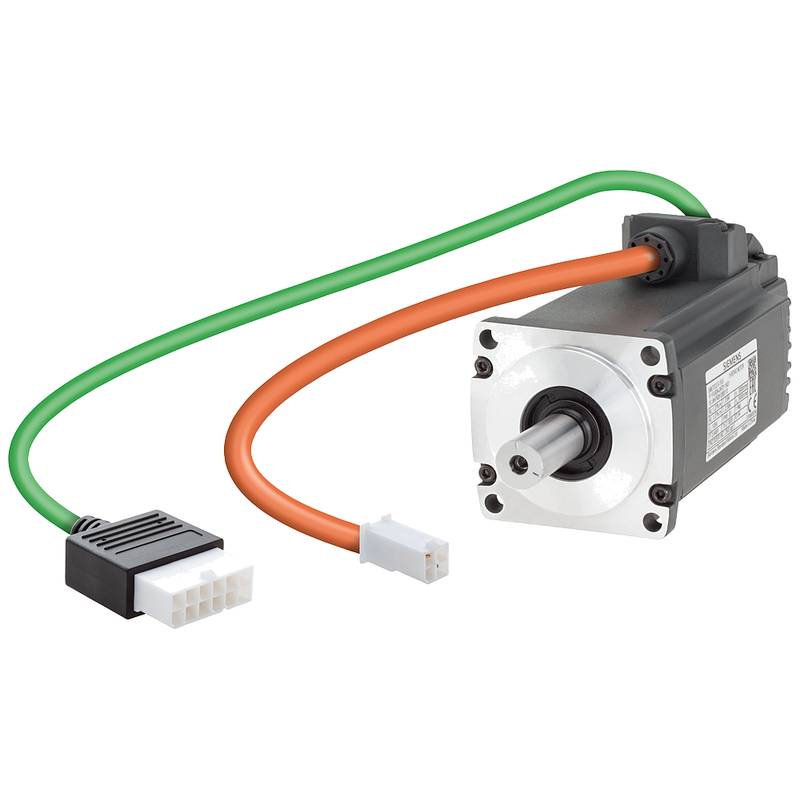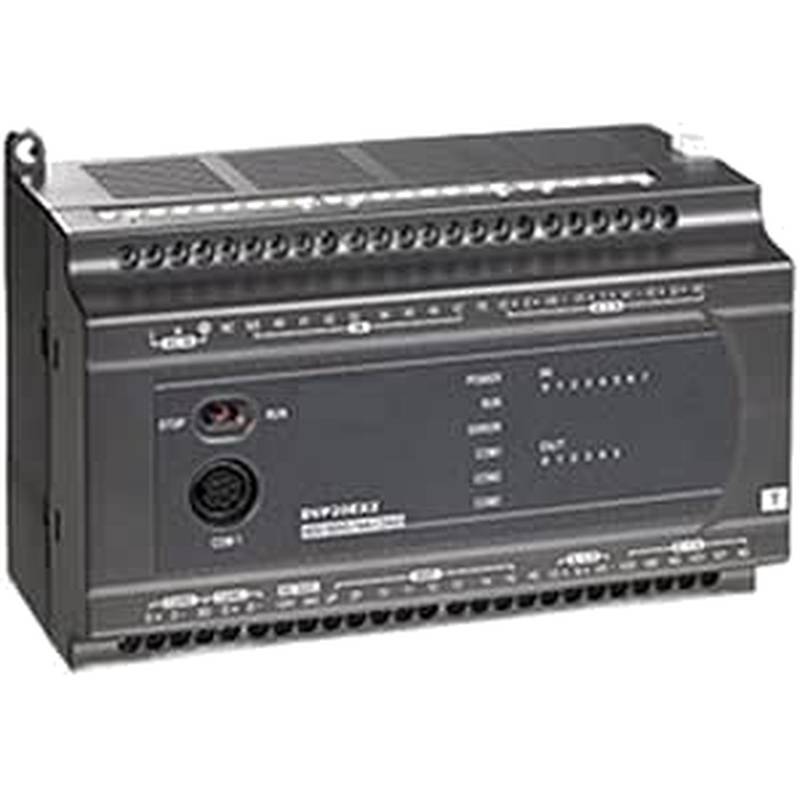













SIEMENS PME71.402A2 PME71 Communication Module Burner Control


The SIEMENS PME71.402A2 PME71 Communication Module Burner Control is a critical component designed for advanced burner management systems, offering robust control and seamless communication for industrial combustion applications. This module distinguishes itself through its high reliability, precise control capabilities, and straightforward integration into existing Siemens burner control architectures. Its core advantages lie in ensuring safe and efficient burner operation, minimizing downtime, and facilitating detailed system monitoring. Key technical parameters include its operating voltage range, communication protocols supported, and environmental operating conditions, all contributing to its suitability for demanding industrial environments.
Key Features & Market Positioning
The PME71.402A2 stands out in the industrial burner control market due to its specialized design for Siemens burner control units, ensuring optimal compatibility and performance within the Siemens ecosystem. Its advanced communication capabilities enable real-time data exchange, crucial for sophisticated process automation and diagnostics. This module's positioning is firmly rooted in providing a reliable, secure, and efficient solution for industrial burner applications where safety and precise control are paramount. Its ability to integrate with higher-level control systems and SCADA platforms further enhances its value proposition, offering a pathway to enhanced operational intelligence and predictive maintenance strategies.
Product Specifications
| Feature | Specification |
| :--------------------------- | :------------------------- |
| Product Type | Communication Module |
| Manufacturer | Siemens |
| Series | PME71 |
| Model Number | PME71.402A2 |
| Application | Burner Control |
| Communication Interface | Specific to Siemens bus |
| Operating Voltage | Typically 24 VDC |
| Ambient Operating Temperature | Varies, consult datasheet |
| Protection Rating | Varies, consult datasheet |
Key Application Scenarios
The SIEMENS PME71.402A2 is extensively utilized in industrial settings requiring precise and reliable burner management. Common applications include its integration into boiler control systems for power generation, process heating in chemical plants, and industrial furnaces used in manufacturing. Its robust design makes it ideal for environments where continuous operation and safety are critical, such as in the oil and gas industry, food processing facilities, and HVAC systems for large commercial buildings. The module's ability to interface with various burner types and fuel sources further broadens its applicability across diverse industrial heating processes.
Practical System Integration Guidance
Integrating the SIEMENS PME71.402A2 typically involves direct connection to a compatible Siemens burner control unit and the master control system. The module often utilizes a proprietary Siemens communication bus, requiring specific cabling and termination. Configuration is usually performed via dedicated Siemens software, allowing for the definition of communication parameters, diagnostic settings, and integration with the overall control logic. Ensuring correct power supply voltage and adherence to wiring diagrams provided in the technical documentation are essential for successful installation and commissioning. Proper grounding and shielding are also vital for maintaining signal integrity in industrial environments.
Operation and Risk Mitigation
Safe operation of the SIEMENS PME71.402A2 is paramount and relies on adherence to established safety protocols for burner management systems. The module plays a role in executing pre-ignition checks, flame monitoring, and emergency shutdown sequences to prevent hazardous conditions. Fault detection is a key operational aspect; the module will signal any deviations from normal operation through diagnostic codes, which are crucial for troubleshooting. Common risk mitigation strategies involve regular maintenance, functional testing of safety interlocks, and ensuring that personnel are trained on the specific operation and emergency procedures associated with the burner control system. Proper handling of the module during installation and maintenance to prevent electrostatic discharge is also a critical safety consideration.
Scalability & Long-Term Value
The SIEMENS PME71.402A2 offers long-term value through its compatibility with a range of Siemens burner control platforms, allowing for system upgrades and expansions without necessarily replacing the entire control infrastructure. Its integration into the broader Siemens industrial automation portfolio, including newer digital solutions and Industrial IoT (IIoT) platforms, ensures that systems can evolve. This enables enhanced data acquisition for analytics, remote monitoring capabilities, and the potential for predictive maintenance, thereby extending the operational lifespan and optimizing the total cost of ownership of the burner management system. The module's robust design also contributes to its longevity in demanding industrial applications.
FAQs
What is the primary function of the SIEMENS PME71.402A2?
The SIEMENS PME71.402A2 serves as a crucial communication interface for Siemens burner control systems. It facilitates data exchange between the burner control unit and higher-level automation systems. This ensures precise monitoring and control over combustion processes.
How does the PME71.402A2 enhance burner control safety?
This module integrates advanced diagnostics and safety interlocking capabilities into the burner management system. It monitors critical parameters in real-time, enabling rapid response to abnormal conditions. This reduces the risk of hazardous flameouts or fuel-related incidents.
What are the typical communication protocols used by the PME71.402A2?
The PME71.402A2 commonly utilizes proprietary Siemens communication protocols for seamless integration. These protocols are designed for high-speed, reliable data transfer within the Siemens automation landscape. Specific protocol details can be found in the product's technical documentation.
Can the PME71.402A2 be integrated with non-Siemens control systems?
Integration with non-Siemens systems is possible but requires careful planning and potentially additional hardware or software gateways. The module is optimized for Siemens environments to ensure reliable performance and diagnostics. Consult Siemens technical support for compatibility assessments.
What are the power requirements for the PME71.402A2?
The PME71.402A2 typically operates on a low DC voltage, often 24VDC, as is standard for industrial control modules. It is essential to verify the exact voltage requirements from the product's datasheet to prevent damage. Proper power supply stability is also critical for consistent operation.
What environmental conditions should be considered for installing the PME71.402A2?
Installation environments should consider temperature, humidity, and potential exposure to dust or corrosive agents. While robust, extreme conditions can affect performance and longevity. Referencing the product's IP rating and operating temperature range is vital for correct placement.
How is the PME71.402A2 configured and commissioned?
Configuration typically involves specialized Siemens software tools, allowing engineers to set communication parameters and control logic. Commissioning requires careful wiring, power-up sequences, and functional testing of all safety interlocks and operational modes. Adherence to the installation manual is key.
What are common troubleshooting steps for the PME71.402A2?
Troubleshooting usually starts with checking power supply, wiring integrity, and communication status indicators on the module. Diagnostic error codes displayed by the connected burner control unit are crucial for pinpointing issues. Reviewing system logs can also reveal the root cause.
Does the PME71.402A2 support remote monitoring or IIoT integration?
Yes, through integration with compatible Siemens automation platforms and gateways, the PME71.402A2 can facilitate remote monitoring. This allows for real-time data access and analysis, paving the way for IIoT applications and predictive maintenance strategies.
What is the expected lifespan and maintenance schedule for this module?
With proper installation and operation within specified environmental limits, the PME71.402A2 is designed for a long operational life. Periodic functional testing of the burner control system, including the communication module, is recommended as part of a preventive maintenance program.