











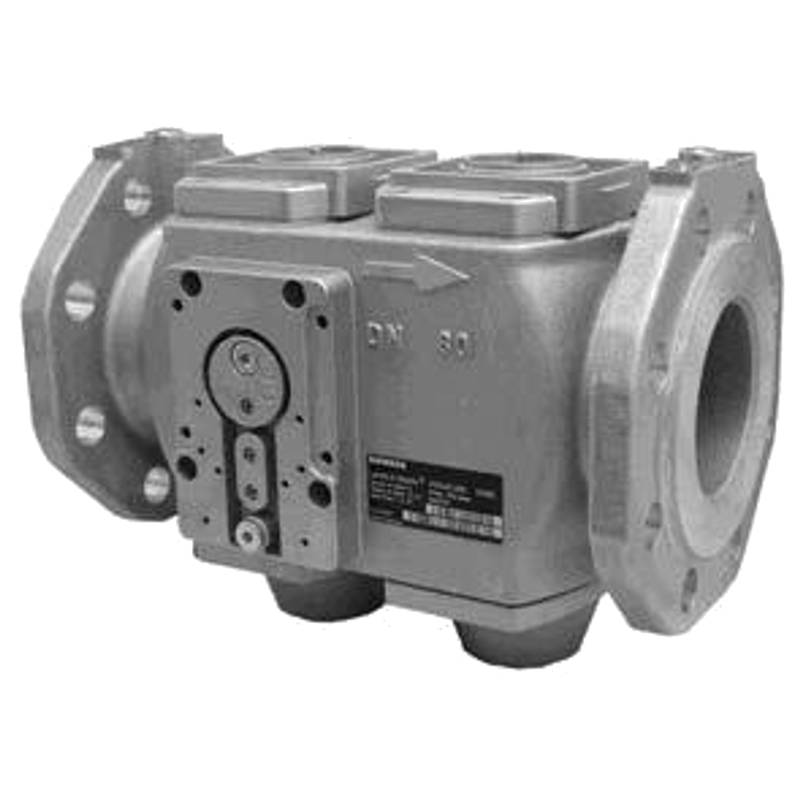
SIEMENS VGD40.125 Double Gas Shut-off Valve DN125


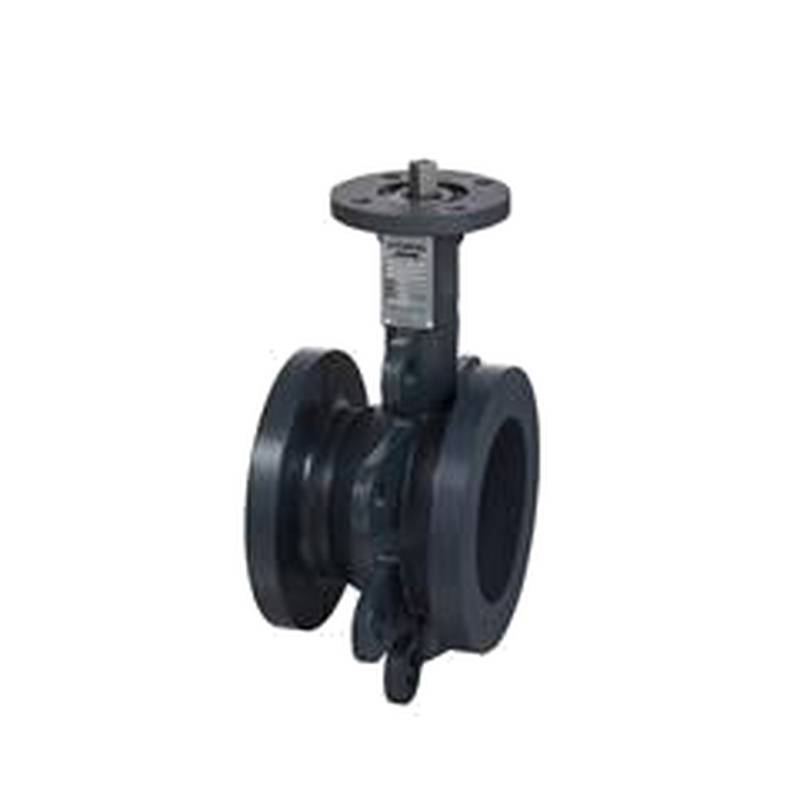
The SIEMENS VGD40.125 is a high-performance double gas shut-off valve designed for demanding industrial applications. Boasting a DN125 nominal bore, this valve offers exceptional reliability and safety, crucial for managing gas flows in critical processes. Its core advantages lie in its robust construction, advanced sealing technology, and integrated safety features, making it a preferred choice for sectors where uninterrupted and secure gas supply is paramount. Key technical parameters include its nominal pressure rating, operational temperature range, and actuation type, all contributing to its suitability for challenging environments.
Product Specifications
| Feature | Specification |
| :--------------------- | :---------------------------------------------- |
| Product Name | SIEMENS VGD40.125 Double Gas Shut-off Valve |
| Nominal Bore (DN) | 125 |
| Connection Type | Flanged |
| Actuation Type | Typically Electric or Pneumatic (model variant) |
| Maximum Operating Pressure | Varies by specific model variant, often up to 100 mbar or higher |
| Sealing Material | High-grade, gas-resistant elastomers |
| Housing Material | Corrosion-resistant metal alloys |
| Safety Integrity Level | SIL 2 or SIL 3 capable (depending on configuration) |
| Ambient Temperature | -20°C to +60°C (typical range) |
| Standards Compliance | EN 161, DIN 3383, ATEX |
Core Features & Market Positioning
The SIEMENS VGD40.125 stands out in the industrial valve market due to its inherent safety mechanisms, primarily its double shut-off design which provides an added layer of security against gas leaks. This feature is critical in applications where even minor gas escape could pose significant risks to personnel or processes. The valve's integration capabilities with Siemens' broader automation and safety systems position it as a premium component for sophisticated industrial control and safety architectures. Its robust build ensures longevity and minimal maintenance, translating to lower total cost of ownership. The design prioritizes rapid and reliable shut-off in emergency situations, a capability often highlighted in comparative industry assessments.
Key Application Scenarios
This double gas shut-off valve finds extensive use in industrial combustion systems, including large-scale boilers, furnaces, and thermal oxidizers, where precise and safe control of fuel gas is essential for efficient operation and environmental compliance. It is also integral to gas distribution networks and pressure regulating stations, ensuring the secure isolation of sections during maintenance or in case of detected anomalies. Furthermore, the VGD40.125 is deployed in the chemical and petrochemical industries for process gas control, safeguarding against hazardous substance release. Its suitability extends to biogas plants and landfill gas utilization facilities, managing the flow of potentially explosive gases.
Practical System Integration Guidance
Integrating the SIEMENS VGD40.125 into an existing industrial control system typically involves standard electrical or pneumatic connections. For electric actuation, wiring needs to conform to safety standards, often requiring specific cable glands and proper grounding to prevent interference and ensure intrinsic safety in hazardous areas. If the valve is part of a safety-instrumented system (SIS), its integration will follow specific logic solver programming, ensuring that the valve receives and acts upon emergency shutdown signals reliably. Flanged connections require appropriate gasket selection and bolt tightening sequences as per EN 1092-1 or equivalent standards to ensure a leak-tight seal against process pressures.
Operation and Risk Mitigation
Operation of the SIEMENS VGD40.125 is typically managed through an automated control system, with manual override capabilities for maintenance or specific operational needs. The double shut-off function is inherently a risk mitigation feature, creating a double barrier against gas flow. In the event of a fault, such as a failure in one of the shut-off elements, the other remains active, preventing uncontrolled gas release. Common troubleshooting may involve checking actuator feedback signals, ensuring adequate supply pressure for pneumatic models, or verifying control voltage for electric variants. Specific fault codes, if indicated by the connected control system, would need to be cross-referenced with the broader system diagnostics.
Scalability & Long-Term Value
The SIEMENS VGD40.125 offers excellent scalability due to its compatibility with Siemens' extensive portfolio of industrial automation and safety products. This allows for seamless integration into larger, more complex control architectures or upgrades to digital IIoT platforms for enhanced monitoring, predictive maintenance, and data analytics. Its modular design can facilitate easier servicing and potential component upgrades. The long-term value is further amplified by its durable construction, designed to withstand harsh industrial conditions and extended operational cycles, minimizing the need for premature replacement and ensuring sustained operational integrity.
Frequently Asked Questions
What is the primary function of the SIEMENS VGD40.125?
The SIEMENS VGD40.125 serves as a critical safety component in gas handling systems. It is designed to provide a reliable and rapid shut-off of gas flow, preventing dangerous situations. Its double shut-off design ensures a high level of integrity.
This valve is engineered to isolate gas supply in industrial processes where safety is paramount. It operates by mechanically interrupting the gas pathway through two independent sealing mechanisms. This dual barrier approach significantly reduces the risk of leakage compared to single shut-off valves.
The primary role is to protect personnel, equipment, and the environment from potential hazards associated with uncontrolled gas release. It is a key element in safety instrumented systems (SIS) for various industrial applications.
What are the key technical specifications for the VGD40.125?
Key specifications include its DN125 nominal bore size, indicating its capacity for significant gas flow rates. It typically features flanged connections for robust system integration. The valve is designed for specific pressure ranges, often up to 100 mbar or higher depending on the variant.
Operational temperature ranges are also critical, usually spanning from -20°C to +60°C, allowing deployment in various environmental conditions. The actuation method, whether electric or pneumatic, is a vital parameter for system compatibility.
Materials used for sealing and housing are selected for high resistance to gas media and corrosion, ensuring longevity and reliable performance. Compliance with standards like EN 161 and ATEX is also a defining technical characteristic.
How is the VGD40.125 installed and commissioned?
Installation of the SIEMENS VGD40.125 typically involves aligning the flanged ends with the mating flanges on the piping. Proper gasket selection and torque specifications for the bolts are crucial for creating a leak-tight seal and preventing mechanical stress.
Commissioning requires verifying the correct functioning of the actuation mechanism, whether electric or pneumatic. This includes checking electrical connections, control signals, and ensuring adequate supply pressure for pneumatic actuators.
A thorough leak test of the installed valve and associated piping is mandatory before placing it into full operational service. Functional tests, including rapid closure and verification of the double shut-off action, are performed to confirm system integrity.
What types of industrial applications is this valve suited for?
The VGD40.125 is ideal for industrial combustion processes like boilers and furnaces. It ensures safe and controlled fuel gas supply to these critical heating systems. It is a vital safety feature in these environments.
It is also widely used in gas distribution networks and pressure regulating stations. Here, it facilitates safe isolation of pipeline sections for maintenance or emergency shutdown. This ensures the integrity of the wider gas infrastructure.
Furthermore, the valve is applied in chemical and petrochemical plants for managing process gases. Its robust design and safety features make it suitable for hazardous and potentially explosive environments.
What safety features differentiate the VGD40.125?
The most significant safety feature is its double shut-off capability, providing two independent barriers against gas flow. This design inherently enhances safety by minimizing leak potential. It offers a higher degree of protection.
The valve is often designed to meet stringent Safety Integrity Level (SIL) requirements, typically SIL 2 or SIL 3. This indicates its suitability for use in safety-instrumented systems designed to prevent or mitigate hazardous events.
Its rapid response time during emergency shut-down scenarios is another key safety aspect. This ensures immediate isolation of gas flow when critical parameters are exceeded or a system fault is detected.
How does the double shut-off mechanism work?
The double shut-off mechanism involves two independent valve seats and sealing elements within a single valve body. When the valve is actuated to the closed position, both sealing elements engage simultaneously or in quick succession.
This creates a redundant barrier. Even if one seal were to fail or degrade over time, the second seal would continue to hold, preventing gas leakage. This is a core safety principle for critical gas applications.
The design ensures that the gas is effectively contained between the two closed elements, providing a significantly higher level of safety assurance than a single valve. This is essential for hazardous gas applications.
Can the VGD40.125 be integrated with digital control systems?
Yes, the SIEMENS VGD40.125 is designed for integration with modern digital control systems. It often features electronic feedback mechanisms or communication interfaces that allow it to report its status to a PLC or DCS.
This enables advanced functionalities such as remote monitoring, diagnostics, and integration into IIoT platforms. Manufacturers often provide protocols for seamless data exchange for enhanced process visibility.
Integration allows for sophisticated control strategies, predictive maintenance based on operational data, and inclusion in plant-wide digital transformation initiatives for greater efficiency and safety.
What is the expected lifespan and maintenance of this valve?
The SIEMENS VGD40.125 is built with high-quality materials for long-term durability and resistance to harsh industrial environments. Its robust construction is intended to provide an extended operational lifespan with minimal issues.
Routine maintenance typically involves periodic functional testing to ensure the reliability of the shut-off mechanisms. Inspection of seals and external components for wear or damage is also part of a proactive maintenance program.
While designed for longevity, adherence to manufacturer recommendations for inspection intervals and component replacement, particularly for seals, is crucial for maintaining peak performance and safety over its service life.
What are the compliance and certification standards for this valve?
The SIEMENS VGD40.125 adheres to significant international and regional standards for gas safety valves. Compliance with EN 161, the European standard for automatic shut-off valves for gas appliances, is common.
It often meets DIN 3383 standards, which relate to gas valves and fittings. Furthermore, for applications in potentially explosive atmospheres, ATEX certification ensures it meets the requirements for safe operation in such zones.
These certifications are critical for ensuring the valve's safety, reliability, and legal compliance in various industrial and European markets, assuring users of its quality and suitability for purpose.
Where can I find detailed technical drawings or CAD models?
Detailed technical drawings, installation manuals, and often 3D CAD models for the SIEMENS VGD40.125 are typically available directly from Siemens or their authorized distributors. These resources are crucial for system design.
These documents provide precise dimensions, connection details, and mounting information necessary for engineers to accurately plan and integrate the valve into their systems. They are usually accessible via product support sections of Siemens' industrial automation websites.
Accessing these official documentation sources ensures that users have the most accurate and up-to-date information for installation, maintenance, and system compatibility, preventing design errors.