












SIEMENS C/VVI41.32-16 Two-Way Valve DN32 kvs 16 HVAC Control


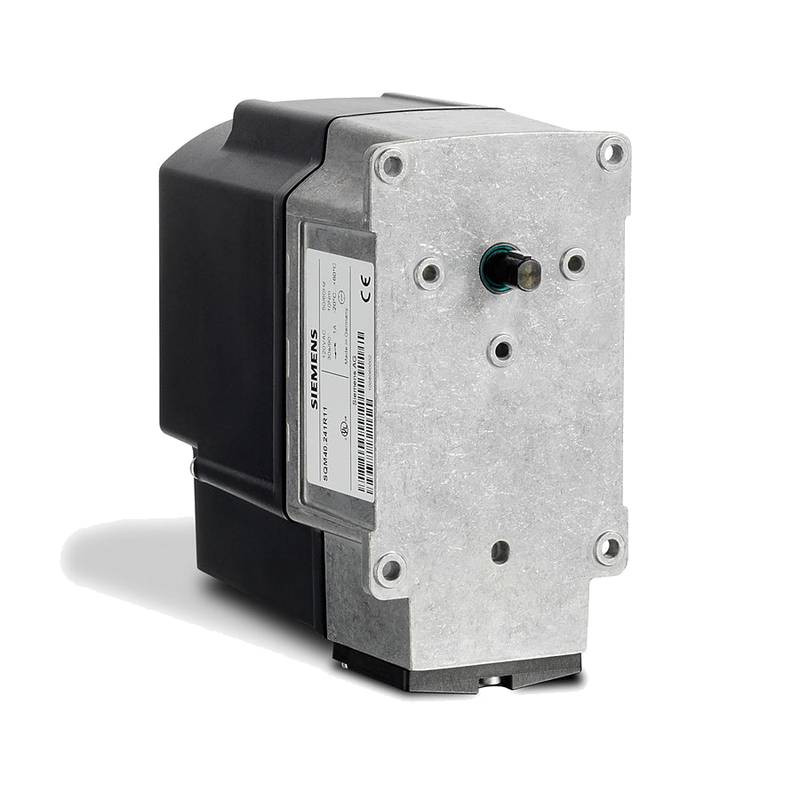
The SIEMENS C/VVI41.32-16 Two-Way Valve, a DN32 control valve with a KVS of 16, is engineered for precise flow regulation in demanding HVAC applications. This valve offers superior accuracy, robust construction, and seamless integration into modern building management systems, ensuring optimal energy efficiency and occupant comfort. Its direct-mount actuator simplifies installation and maintenance, while the high-quality materials guarantee longevity and reliable performance even under continuous operation.
| Parameter | Value |
| :--------------------- | :------------- |
| Valve Type | Two-Way |
| Manufacturer | Siemens |
| Model | C/VVI41.32-16 |
| Nominal Diameter (DN) | 32 |
| Flow Coefficient (KVS) | 16 |
| Connection Type | Flanged |
| Body Material | Cast Iron |
| Seat Material | EPDM |
| Actuator Type | Electric |
| Stroke | 20 mm |
| Control Signal | 0-10 V, 4-20 mA |
| Max Differential Pressure | 250 kPa |
| Operating Temperature | -10 to 120 °C |
| IP Rating | IP54 |
Core Features & Market Positioning
The SIEMENS C/VVI41.32-16 distinguishes itself through its high KVS rating of 16, enabling significant flow capacity within a compact DN32 size, making it ideal for systems requiring substantial water throughput. Its characteristic curve ensures linear control, vital for maintaining stable temperatures and preventing energy waste in HVAC systems. The valve's robust cast iron body and durable EPDM seat material provide excellent resistance to wear and chemical degradation, ensuring a long service life and minimal maintenance requirements. Siemens positions this valve as a premium solution for commercial and industrial HVAC control, emphasizing its reliability, precision, and compatibility with their broader automation portfolio, offering a competitive edge over simpler, less sophisticated valve designs.
Key Application Scenarios
This two-way control valve is predominantly deployed in hydronic systems for commercial buildings, including office complexes, hospitals, and educational institutions, where precise temperature control is paramount. Its DN32 size and KVS 16 capacity make it exceptionally suitable for regulating chilled or hot water flow to air handling units, fan coil units, and radiant heating/cooling panels. Furthermore, it finds application in industrial process cooling and heating loops where accurate temperature management is critical for maintaining product quality and operational efficiency. Building engineers and facility managers often specify the SIEMENS C/VVI41.32-16 for its ability to optimize energy consumption by closely matching heating or cooling demand with supply.
Practical System Integration Guidance
Integrating the SIEMENS C/VVI41.32-16 involves connecting it to the hydronic circuit via its flanged ends, ensuring proper gasket selection and bolt torque for a secure seal. The direct-mount electric actuator connects to the valve stem, typically requiring a mounting bracket. Electrical wiring for the actuator necessitates adherence to the specified control signal (0-10 V or 4-20 mA) and power supply requirements, often involving shielded cables to prevent interference. Commissioning involves setting the actuator's end-of-travel limits and calibrating its response to the building automation system (BAS) or controller. For optimal performance, it's crucial to ensure the valve's flow characteristics align with the system's hydraulic design and that the differential pressure across the valve does not exceed its 250 kPa limit.
Operation and Risk Mitigation
Safe and effective operation of the SIEMENS C/VVI41.32-16 relies on understanding its operational parameters and potential failure modes. The valve's IP54 rating protects against dust and water ingress, but it should be installed in an environment suitable for electrical equipment. Potential issues include actuator failure, seat leakage, or mechanical obstruction. Regular inspection of the actuator's motor and linkage, along with periodic flushing of the system to remove debris, can mitigate these risks. In case of actuator malfunction, diagnostic lights or error codes, if available on the specific actuator model, should be consulted. Importantly, always ensure the system is de-pressurized and isolated before attempting any maintenance or repairs to prevent water damage and injury.
Scalability & Long-Term Value
The SIEMENS C/VVI41.32-16 offers significant long-term value through its compatibility with Siemens' extensive range of automation components and platforms, such as the Desigo™ building management system. This ensures seamless integration into existing or future building control architectures, supporting scalability. For facilities looking to embrace Industrial Internet of Things (IIoT) and digital transformation, the valve's ability to provide real-time flow data, when coupled with appropriate sensors and a BAS, enables advanced analytics for predictive maintenance and energy optimization. This future-proofing capability allows for phased upgrades and a progressive enhancement of building performance.
FAQs
What is the maximum flow rate for the SIEMENS C/VVI41.32-16?
The KVS value of 16 indicates the flow in cubic meters per hour with a 1-bar pressure drop. This allows for a substantial flow rate suitable for many HVAC applications. It is a key metric for sizing control valves accurately.
The actual maximum flow rate will depend on the specific system pressure conditions and the valve's position. Engineers use the KVS value as a reference for calculating flow under various operating scenarios. Always consult system pressure data for precise flow calculations.
Understanding the KVS is crucial for ensuring the valve can meet the system's demand while also providing precise control. It is a standardized value used globally in fluid dynamics and valve sizing.
What type of actuator is compatible with the SIEMENS C/VVI41.32-16?
This model typically utilizes direct-mount electric actuators designed by Siemens for this valve series. These actuators provide the necessary torque to operate the valve precisely. They are engineered for seamless mechanical and electrical integration.
The actuators are available with various control signal options, such as 0-10 V or 4-20 mA, to interface with different building automation systems. Selection depends on the controller's output signal and desired control method.
Ensuring the correct actuator model is paired with the valve is essential for optimal performance and control. Siemens provides specific actuator models recommended for the C/VVI41.32-16 to guarantee compatibility and reliability.
How is the SIEMENS C/VVI41.32-16 installed in an HVAC system?
Installation involves flanged connections to the pipework, requiring appropriate gaskets and fasteners. The valve body is designed for straightforward connection in hydronic circuits. Proper alignment is crucial during installation.
The electric actuator is then mounted directly onto the valve stem, usually requiring a specific mounting kit. Electrical wiring connects the actuator to the control system, following the specified wiring diagrams for the control signal and power.
Commissioning is a critical step, involving setting actuator travel limits and calibrating the valve's response to the controller for accurate flow regulation. Always refer to the manufacturer's installation manual for detailed instructions.
What are the main advantages of using a Siemens control valve?
Siemens control valves, like the C/VVI41.32-16, offer high precision and reliability in flow regulation. Their robust construction ensures longevity and consistent performance in demanding HVAC environments.
These valves integrate seamlessly with Siemens' broader building automation and control systems, offering a unified and efficient solution. This integration facilitates advanced control strategies and system diagnostics.
The advanced engineering and quality materials used by Siemens contribute to energy efficiency and reduced operational costs. Their products are backed by a strong reputation for innovation and support in the building technology sector.
What is the operating temperature range for this valve?
The SIEMENS C/VVI41.32-16 is rated for an operating temperature range of -10 to 120 degrees Celsius. This broad range makes it suitable for both heating and cooling applications. It can handle common HVAC fluid temperatures.
Operating outside this specified temperature range can compromise valve performance and longevity. Extreme cold can lead to freezing and potential damage, while excessive heat can degrade internal components.
Adhering to the specified temperature range ensures the valve functions as intended and maximizes its service life. It is designed to withstand the thermal cycles typical in HVAC systems.
Can this valve be used for steam applications?
No, the SIEMENS C/VVI41.32-16 is designed for hydronic (water-based) systems and is not suitable for steam control. Steam applications require valves specifically engineered to handle the high temperatures and pressures associated with steam.
Using this valve with steam could lead to premature failure, leaks, and safety hazards due to material limitations. Steam valves have different body materials, seat designs, and sealing mechanisms.
Always select control valves designed for the specific medium being controlled. For steam, consult Siemens' or other manufacturers' product lines for dedicated steam control valves.
What maintenance is typically required for the SIEMENS C/VVI41.32-16?
Routine maintenance primarily involves inspecting the actuator for proper operation and listening for unusual noises. Periodic flushing of the HVAC system can help prevent debris from accumulating around the valve seat.
Checking for external leaks around the flanged connections is also recommended. While the valve itself is robust, the surrounding system components and fluid quality play a role in its overall longevity.
The valve's design minimizes the need for internal maintenance, but if issues arise, professional servicing by qualified technicians is advised. It's important to follow the manufacturer's recommendations for service intervals.
How does the KVS value affect system performance?
The KVS value determines the maximum flow rate a valve can handle at a specific pressure drop. A higher KVS means greater flow capacity for a given valve size. This influences system balancing and response times.
Selecting a valve with an appropriate KVS ensures it can meet the system's heating or cooling demands without being oversized, which can lead to poor control. Oversizing can cause hunting and instability.
Matching the KVS to the system's hydraulic design is crucial for achieving optimal energy efficiency and precise temperature control. It is a fundamental parameter in valve selection and system design.
What is the IP rating of the SIEMENS C/VVI41.32-16 and what does it mean?
The SIEMENS C/VVI41.32-16 has an IP54 rating. This indicates that the valve and its actuator are protected against dust ingress (the '5') and are also protected against splashing water from any direction (the '4').
This rating ensures the valve can operate reliably in environments where some dust may be present or where occasional water splashes might occur, common in mechanical rooms. It provides a level of environmental protection.
However, IP54 is not suitable for immersion in water. For installations in very wet or dusty environments, higher IP ratings might be necessary, or protective enclosures should be considered.
What are the electrical connection requirements for the actuator?
The actuator requires a specific voltage supply, typically 24 VAC or 230 VAC, depending on the model. It also accepts control signals like 0-10 VDC or 4-20 mA for modulating control.
Careful attention to wiring is necessary, including using appropriate cable types and ensuring proper grounding. Shielded cables are often recommended for control signals to prevent electromagnetic interference.
Always consult the actuator's specific wiring diagram provided by Siemens to ensure correct connections for power, control signals, and any auxiliary functions, preventing damage and ensuring proper operation.