











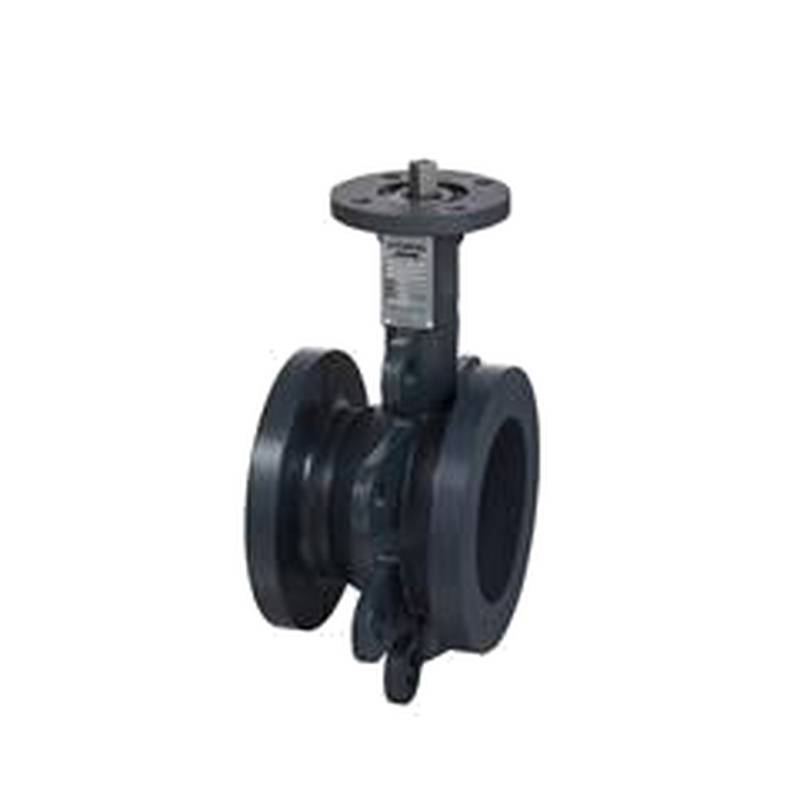
SIEMENS VAF41.80-100/1 Two-Way Ball Valve DN80 kvs 100 Flanged


The SIEMENS VAF41.80-100/1 is a robust two-way ball valve engineered for precise fluid control in demanding industrial environments. This DN80 valve boasts a kvs of 100 and flanged connections, making it a high-performance solution for HVAC systems, district heating, and industrial process applications. Its key advantages include exceptional durability, tight shut-off capabilities, and reliable long-term operation, ensuring efficient and safe system management. The VAF41.80-100/1 integrates seamlessly with SIEMENS automation platforms, offering advanced control and monitoring potential.
| Parameter | Value |
| :---------------------- | :------------- |
| Valve Type | Two-Way Ball Valve |
| Model Number | VAF41.80-100/1 |
| Nominal Diameter (DN) | 80 |
| Flow Coefficient (kvs) | 100 |
| Connection Type | Flanged |
| Material | (Data not readily available, but typically cast iron or stainless steel for industrial valves) |
| Pressure Rating | (Data not readily available, but critical for application selection) |
| Temperature Range | (Data not readily available, but crucial for operating conditions) |
Core Features & Market Positioning
The SIEMENS VAF41.80-100/1 stands out due to its precision engineering and Siemens' established reputation for quality and reliability in industrial automation. This valve is designed for applications requiring accurate flow regulation and a high degree of sealing integrity. Its robust construction ensures resilience against wear and tear, positioning it as a cost-effective long-term investment for critical process control. The two-way design simplifies control loops, offering a straightforward yet powerful solution for a wide range of fluid dynamics challenges. Unlike simpler valve designs, the ball valve mechanism provides a more consistent flow characteristic across its operational range.
Key Application Scenarios
This DN80 ball valve is ideally suited for primary and secondary circuits in building automation, particularly within large commercial and industrial HVAC systems. It excels in managing heating and cooling water, acting as a control element in thermal transfer stations for district heating networks. Furthermore, its reliable shut-off and flow control capabilities make it valuable in various industrial process applications where precise management of fluid media is paramount, such as in chemical processing or manufacturing lines. The flanged connection simplifies installation and maintenance in these often high-pressure environments.
Practical System Integration Guidance
Integrating the SIEMENS VAF41.80-100/1 typically involves pairing it with a compatible Siemens actuator, such as the GLB series, for electromechanical operation. These actuators are designed for seamless communication with the valve, ensuring precise positioning and responsive control. Installation requires adherence to standard piping practices for flanged connections, ensuring gasket integrity and correct bolt torque to prevent leaks. For advanced control, the valve and actuator assembly can be connected to Siemens controllers (e.g., Desigo) via appropriate field buses or analog/digital signals, allowing for integration into centralized building management systems.
Operation and Risk Mitigation
Proper operation of the SIEMENS VAF41.80-100/1 involves ensuring it is correctly sized for the application's flow and pressure requirements, and that the chosen actuator is compatible and properly configured. Potential operational risks include over-pressurization beyond the valve's rating, or improper installation leading to leaks. Regular inspection of the valve body, stem seals, and actuator mounting is recommended to prevent premature failure. While specific fault codes are actuator-dependent, common issues might relate to actuator failure to move or loss of communication, which typically require diagnostics on the control system and actuator.
Scalability & Long-Term Value
The SIEMENS VAF41.80-100/1 offers excellent long-term value due to its durable construction and compatibility with Siemens' broader automation ecosystem. Its integration capabilities with platforms like Desigo allow for future expansion of control strategies and the incorporation of IIoT functionalities, such as predictive maintenance or remote diagnostics, as digital transformation initiatives evolve. The standardization of flanged connections ensures that the valve can be readily replaced or integrated into upgraded piping systems without extensive modifications. This foresight in design supports the evolving needs of modern industrial and building management.
Frequently Asked Questions
What is the primary function of the SIEMENS VAF41.80-100/1 ball valve?
The SIEMENS VAF41.80-100/1 is a two-way control valve designed for regulating fluid flow. It precisely manages the volume of liquids like water in industrial and HVAC systems. Its design ensures reliable operation in demanding applications.
This valve is crucial for maintaining stable temperatures and efficient energy use in buildings. It can also be found in various manufacturing processes requiring accurate media delivery. The flanged design aids in secure and leak-free installation.
Its primary role is to open, close, or modulate the flow path based on control signals. This allows for automatic adjustments to meet system demands, optimizing performance and comfort.
What are the key technical specifications for the VAF41.80-100/1?
The valve features a nominal diameter (DN) of 80 and a flow coefficient (kvs) of 100. It utilizes flanged connections for robust system integration. These specifications are critical for system design and compatibility.
The kvs value indicates the flow rate in cubic meters per hour at a specific pressure drop. DN80 signifies its size within the piping system. Flanged connections offer secure mechanical joints.
Accurate understanding of these parameters ensures the valve performs as intended within its intended application environment. It helps in calculating pressure drops and system capacity.
How does the VAF41.80-100/1 integrate with Siemens automation systems?
The VAF41.80-100/1 is designed to work seamlessly with Siemens actuators and controllers, like the GLB series and Desigo. It connects via analog or digital signals, or fieldbus protocols. This ensures centralized control and monitoring.
Integration allows for precise positioning of the valve based on real-time system data. Actuators translate electronic signals into mechanical movement for the valve stem. This enables sophisticated control strategies.
This interoperability facilitates advanced features such as energy management, fault detection, and remote access within a unified building or process management framework.
What types of fluids can the SIEMENS VAF41.80-100/1 handle?
This ball valve is typically designed for clean or lightly fouled water, such as in HVAC and district heating systems. Its material composition will dictate compatibility with specific chemical concentrations or aggressive media. Always verify the material against the fluid's properties.
The sealing materials and internal components are optimized for water-based applications. For media with high solid content, extreme temperatures, or corrosive properties, specialized variants or different valve types might be necessary. Consult the manufacturer for specific fluid compatibility charts.
It's essential to ensure the fluid's temperature and pressure are within the valve's operational limits. Operating outside these parameters can lead to premature wear or failure of the valve or its seals.
What are common installation considerations for this valve?
Proper installation involves ensuring the valve is correctly oriented within the piping system and that the flanged connections are aligned. Gaskets must be seated correctly, and bolts tightened uniformly to the specified torque to achieve a leak-tight seal.
The valve must be supported to prevent undue stress on the piping. Ensure adequate clearance for actuator movement and maintenance access. Always follow local plumbing codes and manufacturer guidelines during installation.
Before installation, the piping should be clean to prevent debris from damaging the valve seat or ball. Verify that the flow direction, if applicable for certain actuators or system designs, is respected.
How is the VAF41.80-100/1 typically controlled?
Control is achieved through an electric actuator, such as a Siemens GLB or GBB series, connected to the valve stem. This actuator receives signals from a building automation system, PLC, or controller. It then translates these signals into the precise positioning of the valve.
The actuator can operate based on analog inputs (e.g., 0-10V, 4-20mA) representing a desired flow rate or temperature setpoint, or digital inputs for on/off functions. Advanced actuators may also support fieldbus communication for direct integration into digital networks.
The control strategy determines how the valve responds to system demands, whether for simple on/off shutoff or for proportional regulation to maintain a specific parameter, ensuring optimal system performance.
What maintenance is required for the SIEMENS VAF41.80-100/1?
Routine maintenance typically involves visual inspection for leaks around the flanges and stem. Periodically check the actuator's operational status and listen for unusual noises during operation. Lubrication needs depend on the actuator type; some are sealed for life.
For long-term reliability, especially in demanding cycles, it is advisable to occasionally cycle the valve fully open and closed to prevent potential sticking, provided system operation allows. Refer to the actuator's manual for specific maintenance schedules and procedures.
The valve itself, being a ball valve, is generally low-maintenance. However, if leaks develop or the operation becomes stiff, it may indicate wear on seals or the ball, potentially requiring refurbishment or replacement of internal parts.
What are the typical operating pressure and temperature limits?
Specific operating pressure and temperature limits for the SIEMENS VAF41.80-100/1 are crucial and must be obtained from the official product datasheet. These parameters are highly dependent on the valve body material, seal type, and connection rating. Exceeding these limits can cause catastrophic failure.
Industrial ball valves like this are engineered to withstand significant pressures and temperatures suitable for HVAC and industrial processes. However, without the exact datasheet, providing precise figures would be speculative and potentially unsafe. Always consult the manufacturer's documentation.
General guidelines suggest such valves might operate in ranges from -10°C to 150°C and up to PN16 or higher pressure ratings, but this is an assumption. Precise data is essential for safe and effective application.
Is the SIEMENS VAF41.80-100/1 suitable for steam applications?
The suitability of the VAF41.80-100/1 for steam depends entirely on its specific construction and the manufacturer's stated operating limits. Standard water control valves may not be rated for the high temperatures and thermal shock associated with steam. Special high-temperature seals and materials are often required for steam service.
If steam compatibility is required, it is imperative to consult the detailed product specifications or contact Siemens directly to confirm if this particular model, or a specialized variant, is approved for steam. Using an unapproved valve for steam can lead to dangerous failures.
Many ball valves have specific versions or are entirely different designs for steam applications. Always verify the intended media and operating conditions against the valve's certified capabilities before installation.
Where can I find the official product datasheet for the VAF41.80-100/1?
The most reliable source for the official product datasheet is the Siemens Digital Industries website or their official product catalog. You can usually search for the product model number (VAF41.80-100/1) within their technical documentation portal.
Alternatively, authorized Siemens distributors or partners who supply the valve will have access to the datasheets and can provide them upon request. This ensures you receive the most accurate and up-to-date technical information.
Downloading the datasheet is a critical step before specifying, ordering, or installing the valve to confirm all technical parameters, material compatibility, and safety ratings for your specific application.