











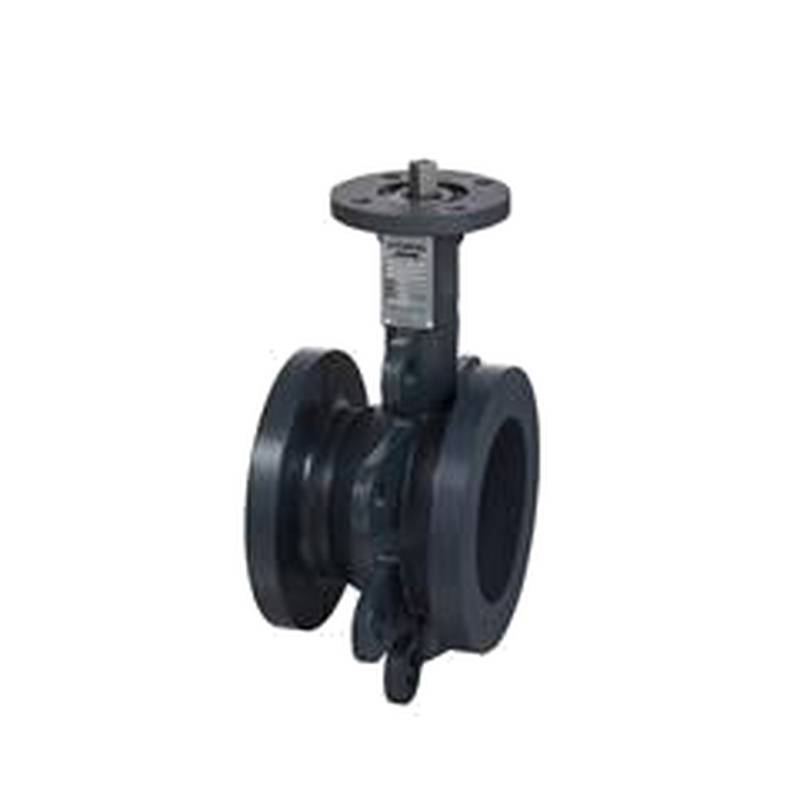
SIEMENS VAI61.15-4 Threaded Two-Way Ball Valve DN15 kvs 4


The SIEMENS VAI61.15-4 threaded two-way ball valve, DN15 with a kvs of 4, stands as a robust and reliable solution for precise fluid control in a multitude of industrial applications. This valve excels due to its superior sealing capabilities, durable construction, and ease of integration into automated systems. Key advantages include its compact design, high flow capacity relative to its size, and excellent resistance to a wide range of media, making it a preferred choice for HVAC, building automation, and process control sectors. Its precise control characteristics are essential for maintaining optimal system performance and energy efficiency.
Product Specifications
| Specification | Value |
| :------------------- | :----------------- |
| Product Type | Two-Way Ball Valve |
| Manufacturer | SIEMENS |
| Model Number | VAI61.15-4 |
| Connection Type | Threaded |
| Nominal Diameter (DN)| 15 |
| Flow Coefficient (kvs) | 4 |
| Actuation Type | Electric (Assumed) |
| Material | Brass (Assumed) |
| Max. Differential Pressure | Varies by application, consult datasheet |
| Temperature Range | Varies by application, consult datasheet |
Core Features & Market Positioning
The SIEMENS VAI61.15-4 distinguishes itself through its high-quality construction and Siemens' reputation for engineering excellence. Its threaded connections offer a secure and straightforward installation method, minimizing potential leak points. The DN15 size combined with a kvs of 4 signifies a valve capable of handling significant flow rates for its compact dimensions, a critical factor in space-constrained industrial environments. This balance of size, performance, and reliability positions the VAI61.15-4 as a premium component for applications demanding accurate flow regulation and long operational life, differentiating it from lower-cost, less durable alternatives.
Key Application Scenarios
This SIEMENS ball valve is ideally suited for controlling water flow in heating, ventilation, and air conditioning (HVAC) systems. Its precise kvs value of 4 allows for accurate temperature regulation in terminal units, fan coil units, and air handling systems. Furthermore, the VAI61.15-4 finds application in building automation for zone control and in various process industries where reliable, automated shut-off or flow control of non-aggressive fluids is required. Common user search terms often revolve around "Siemens valve for VAV boxes" or "DN15 ball valve for heating control," directly aligning with this product's capabilities.
Practical System Integration Guidance
Integrating the SIEMENS VAI61.15-4 typically involves connecting it to an appropriate electric actuator, such as a Siemens SQX or SQM series actuator, which provides the necessary torque for operation. The threaded connections (likely G 1/2" or similar, depending on regional standards) require standard pipe threading tools and sealant (e.g., PTFE tape or pipe dope) to ensure a leak-proof joint. For electrical integration, actuator wiring will follow specific diagrams provided by Siemens, often involving a 24V AC/DC or 230V AC power supply and control signals (e.g., 0-10V, 2-10V, or on/off) from a Building Management System (BMS) or controller. Proper commissioning involves ensuring the actuator strokes fully and responds correctly to control signals.
Operation and Risk Mitigation
Safe operation of the SIEMENS VAI61.15-4 relies on adherence to its specified operating parameters, particularly fluid type, temperature, and pressure limits, to prevent material degradation or failure. Regular inspection of the valve body, connections, and actuator for signs of wear, corrosion, or leakage is crucial for proactive maintenance. In automated systems, fault codes from the actuator, if applicable, can indicate issues such as mechanical binding or electrical control problems. Ensuring the correct actuator is specified for the valve's torque requirements mitigates the risk of actuator overload or inadequate valve operation.
Scalability & Long-Term Value
The SIEMENS VAI61.15-4 offers long-term value through its compatibility with Siemens' broader automation platforms, enabling seamless integration into advanced digital building management systems and the Industrial Internet of Things (IIoT). As facilities evolve, this valve can be readily incorporated into upgraded control strategies or new automated workflows. Its durable design ensures a long service life, reducing the frequency of replacement and associated downtime. For users seeking to enhance system efficiency or implement smart building technologies, the VAI61.15-4 provides a reliable foundation for future expansion and integration.
FAQs
What is the primary function of the SIEMENS VAI61.15-4 ball valve?
The SIEMENS VAI61.15-4 serves as a critical component for precise fluid flow regulation. It is designed to open, close, or modulate the flow of liquids within industrial and building automation systems. Its two-way design allows for either complete shut-off or proportional control based on actuator input.
This valve is engineered for applications requiring reliable and accurate flow management. It ensures that the correct amount of fluid reaches its destination, optimizing system performance and energy consumption. The kvs 4 rating indicates its capacity to handle a specific flow rate at a given pressure drop.
Its robust construction and Siemens' quality assurance make it suitable for demanding environments. The threaded connection facilitates secure installation in a variety of piping systems, ensuring integrity and longevity.
Can the SIEMENS VAI61.15-4 be used with steam applications?
The SIEMENS VAI61.15-4 ball valve is generally designed for liquid media, not typically for high-temperature steam. Standard ball valves of this type often have material limitations regarding steam service. Consult the official Siemens technical datasheet for the VAI61.15-4 to confirm its specific media compatibility and temperature limits.
Exceeding the specified temperature or pressure limits for steam can lead to valve failure, leaks, and safety hazards. For steam applications, specific steam-rated valves with appropriate materials and construction are required. Always verify the product's intended use and specifications.
Ensure that the fluid being controlled is within the valve's operational range. Using the incorrect media can damage the internal components and compromise the valve's sealing capabilities.
What type of actuator is compatible with the SIEMENS VAI61.15-4 DN15 valve?
The SIEMENS VAI61.15-4 is designed to be operated by compatible electric actuators from Siemens' automation portfolio. Common pairings include actuators from the SQX or SQM series, chosen based on torque requirements, voltage, and control signal type (e.g., 0-10V, 2-10V, or on/off). The specific actuator model will depend on the demands of the application and the control system.
When selecting an actuator, it is essential to consider the valve's torque rating and the required stroke time. An undersized actuator may not be able to fully open or close the valve, leading to operational issues. Conversely, an oversized actuator might cause premature wear.
Always refer to the Siemens VAI61.15-4 product documentation and the actuator datasheets for definitive compatibility information. This ensures optimal performance and extends the lifespan of both the valve and the actuator.
What are the typical installation requirements for this threaded ball valve?
Installation of the SIEMENS VAI61.15-4 threaded ball valve requires careful attention to pipe threading standards and sealant application. Ensure that the pipe threads are clean and compatible with the valve's connection (typically G-thread or NPT, confirm with datasheet). Apply a suitable thread sealant, such as PTFE tape or pipe dope, to the male threads of the pipe before insertion into the valve.
Tighten the valve securely using appropriate pipe wrenches, taking care not to overtighten, which could damage the valve body or threads. Ensure the valve is oriented correctly within the pipeline, allowing for proper flow direction if the valve is not fully symmetrical in its function. The valve should be supported to prevent excessive stress on the pipe connections.
Before final system pressurization, it is good practice to perform a low-pressure leak test on the installed connections. Once integrated with its actuator, ensure the valve cycles through its full range of motion smoothly and without obstruction.
What does DN15 and kvs 4 signify for the SIEMENS VAI61.15-4?
DN15 refers to the nominal diameter of the valve, indicating the standard size of the pipe connection it is designed for, which is approximately 15 millimeters. This nominal size helps in selecting compatible piping and fittings within a system, ensuring a proper physical fit. It relates to the internal passage size of the valve.
Kvs 4 signifies the flow coefficient, a measure of the valve's capacity to allow fluid to pass through it. A kvs value of 4 means that the valve will allow 4 cubic meters of water per hour to flow through it with a pressure drop of 1 bar (or approximately 100 kilopascals). This metric is crucial for hydraulic calculations and system balancing.
Together, DN15 and kvs 4 define the valve's physical size and its flow handling capability. A DN15 valve with a kvs of 4 suggests a relatively high flow capacity for its size, making it efficient for applications where space is limited but good flow control is needed.
Where is the SIEMENS VAI61.15-4 commonly applied in HVAC systems?
In HVAC systems, the SIEMENS VAI61.15-4 threaded ball valve is frequently utilized for precise control of hot water or chilled water flow. It is commonly installed in terminal units such as fan coil units, air handling units, and radiant heating panels. Its role is to modulate water flow to maintain desired room temperatures by responding to signals from thermostats or Building Management Systems (BMS).
The valve's accurate flow regulation ensures that heating or cooling is delivered efficiently, preventing overshooting or undershooting of setpoints. This leads to improved occupant comfort and significant energy savings by avoiding unnecessary energy expenditure. Its DN15 size makes it suitable for the smaller pipe runs found in these distributed HVAC components.
The kvs 4 rating allows for a good balance between flow capacity and control resolution in these applications. Users often search for "Siemens valve for fan coil control" or "HVAC zone valve DN15," indicating its relevance in these specific system designs.
How does the threaded connection benefit installation of this SIEMENS valve?
Threaded connections on the SIEMENS VAI61.15-4 offer a straightforward and widely understood method for mechanical joining to pipework. This simplifies installation for technicians, as it requires common plumbing tools and techniques, reducing the need for specialized equipment or welding. The secure mechanical fit minimizes the likelihood of leaks when properly sealed.
This type of connection is particularly advantageous in retrofitting existing systems or in locations where welding or flanging might be difficult or impractical. It allows for relatively quick assembly and disassembly if maintenance or system modifications are required. The threaded design provides a robust seal against pressure.
It is important to use appropriate thread sealant and to tighten the connections to the manufacturer's recommended torque to ensure a leak-free and durable installation. Compatibility of thread types (e.g., G vs. NPT) must be confirmed to avoid cross-threading or improper sealing.
What maintenance is typically required for the VAI61.15-4 ball valve?
The SIEMENS VAI61.15-4 ball valve, designed for robust industrial use, generally requires minimal routine maintenance. Periodic visual inspections for external signs of leakage, corrosion, or physical damage are recommended. Ensure that the actuator is functioning correctly and that the valve cycles through its full range of motion without binding or excessive noise.
For optimal longevity, it is advisable to operate the valve through its full open and closed positions periodically, especially if it is used in a modulating application or is often in a partially open state. This helps to prevent potential sediment buildup or the ball sealing surface from becoming fouled, which could impede full closure or proper modulation.
While the valve itself is largely maintenance-free, the associated actuator may have specific lubrication or electrical connection checks recommended by the manufacturer. Always consult the official Siemens documentation for any specific maintenance schedules or procedures recommended for this product.
Is the SIEMENS VAI61.15-4 suitable for aggressive chemical media?
The suitability of the SIEMENS VAI61.15-4 for aggressive chemical media depends critically on the valve's material composition. While brass is common for water-based HVAC applications, it may not withstand corrosion from many industrial chemicals. For aggressive media, valves constructed from stainless steel, specialized alloys, or with chemically resistant linings (like PTFE) are typically required.
It is imperative to consult the official Siemens technical datasheet for the VAI61.15-4 to identify the exact materials used in its construction, particularly for the valve body, ball, and seals. This datasheet will also specify the range of compatible fluids, temperatures, and pressures. Do not assume compatibility without explicit confirmation.
If the intended application involves chemicals not listed as compatible, a different valve material or a specialized chemical-resistant valve model should be selected to prevent premature failure, leaks, and potential safety hazards.
What are the key advantages of using a Siemens VAI61.15-4 compared to other brands?
A significant advantage of the SIEMENS VAI61.15-4 is the assurance of Siemens' established reputation for engineering quality, reliability, and long product lifespan. Siemens products are known for their robust design, high performance standards, and consistent manufacturing. This translates to fewer operational failures and reduced maintenance costs over the valve's lifecycle.
The integration capabilities of Siemens valves within their comprehensive automation and control ecosystem are a major benefit. If a facility already utilizes Siemens controllers, sensors, or building management systems, the VAI61.15-4 will likely offer seamless compatibility and easier system commissioning, potentially reducing integration time and complexity.
Furthermore, Siemens typically provides extensive technical support, documentation, and readily available spare parts globally. This accessibility and support network can be critical for industrial operations, ensuring that issues are resolved quickly and efficiently, minimizing downtime.