











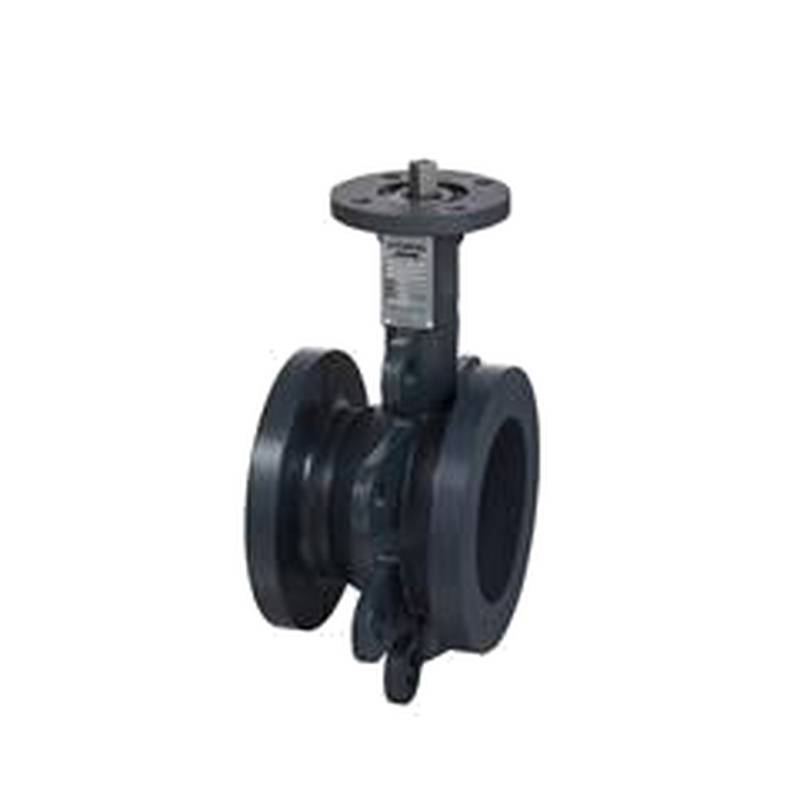
SIEMENS VAI61.20-4 Two-Way Ball Valve DN20 kvs 4 VAI61


The SIEMENS VAI61.20-4 Two-Way Ball Valve DN20 kvs 4 is a precisely engineered fluid control component designed for demanding industrial applications, offering superior reliability and performance. This valve excels due to its robust construction, precise flow regulation capabilities, and seamless integration within automated systems. Key technical parameters include a nominal diameter (DN) of 20, a flow coefficient (kvs) of 4, and its designation as a two-way ball valve, ensuring efficient shut-off and control. The VAI61.20-4 is built to withstand rigorous operational demands, making it an indispensable asset for process industries seeking accuracy and durability.
Product Specifications
| Feature | Specification |
| :--------------- | :------------------------------------------- |
| Product Series | VAI61 |
| Valve Type | Two-Way Ball Valve |
| Nominal Diameter | DN20 (20 mm) |
| Flow Coefficient | kvs 4 |
| Actuator Type | Integrated electric actuator |
| Voltage | 24 V AC/DC |
| Control Signal | 3-point step (Open/Close) |
| Material | Brass (valve body), Stainless steel (ball) |
| Sealing | EPDM |
| Max. Pressure | 16 bar |
| Temperature Range| -10 to 100 °C |
| Connection | Female thread (G 3/4") |
| IP Rating | IP54 |
Core Features & Market Positioning
The SIEMENS VAI61.20-4 distinguishes itself through its compact design and direct coupling to a Siemens actuator, simplifying installation and reducing potential leak points. Its high sealing integrity and robust ball design ensure reliable shut-off, crucial for applications where precise fluid management is paramount. Positioned as a mid-range industrial valve, it offers a compelling balance of Siemens' renowned quality and cost-effectiveness for HVAC, building automation, and light industrial processes. The integrated actuator removes the need for separate mounting hardware, further enhancing its value proposition in space-constrained environments.
Key Application Scenarios
This two-way ball valve finds extensive application in building services, particularly in heating, ventilation, and air conditioning (HVAC) systems for precise temperature control and zone regulation. It is ideal for controlling water flow in heating circuits, chilled water systems, and domestic hot water supplies. Industrial process control also benefits from its reliability, managing fluid flow in chemical processing, manufacturing, and water treatment facilities where accurate shut-off and flow modulation are essential. The DN20 size and kvs 4 rating make it suitable for medium-flow applications requiring dependable performance.
Practical System Integration Guidance
Integrating the SIEMENS VAI61.20-4 is streamlined due to its standard connection sizes and direct actuator mounting. The valve utilizes a 3-point step control signal (Open/Close) from a compatible Siemens actuator, typically powered by 24V AC/DC. For installation, ensure the valve is oriented correctly with the flow direction indicated on the body. Electrical connections should be made according to the actuator's wiring diagram, ensuring proper grounding and adherence to voltage specifications. Commissioning involves verifying the actuator's full stroke and ensuring the valve responds accurately to control signals, typically confirmed by observing the valve position indicator or through system diagnostics.
Operation and Risk Mitigation
The VAI61.20-4 operates via an electric actuator that translates control signals into precise ball rotation for flow regulation or shut-off. To mitigate risks, regular visual inspections for leaks or external damage are recommended. Ensure the valve is operated within its specified temperature and pressure limits to prevent material fatigue or seal failure. In case of actuator failure, the valve will typically remain in its last position, which might require manual intervention depending on the system's criticality. Avoid sudden pressure surges and ensure proper filtration of the fluid to prevent debris from damaging the ball or sealing surfaces.
Scalability & Long-Term Value
The SIEMENS VAI61.20-4 integrates seamlessly into larger Siemens automation platforms and can be part of a scalable building management system (BMS) or industrial control network. Its compatibility with standard communication protocols (when integrated with appropriate Siemens controllers) allows for data acquisition and remote monitoring, supporting IIoT initiatives. The durable construction ensures a long operational lifespan, reducing the total cost of ownership through minimized maintenance and replacement cycles. Upgrade paths typically involve integrating it into more advanced control strategies or expanding its application to new zones or processes within an existing infrastructure.
Frequently Asked Questions
What is the primary function of the SIEMENS VAI61.20-4?
This valve functions as an automated shut-off and control device for fluid systems. It precisely manages flow rates based on electrical signals, ensuring optimal system performance and energy efficiency in various industrial and building automation applications. Its robust design guarantees reliable operation under demanding conditions.
The SIEMENS VAI61.20-4 is a two-way ball valve designed for precise flow control. It uses an integrated electric actuator to open or close the flow path. This makes it ideal for applications requiring automated regulation of liquids or gases in heating, cooling, and process control systems.
Its core purpose is to provide accurate and repeatable flow regulation, crucial for maintaining desired temperatures or process parameters. The DN20 size and kvs 4 rating indicate its suitability for specific flow ranges within medium-sized pipe networks.
What are the typical applications for the SIEMENS VAI61.20-4?
Common uses include controlling water flow in HVAC systems, such as heating and cooling circuits. It's also employed in industrial processes for regulating fluids in manufacturing, chemical plants, and water treatment. Its reliability makes it suitable for any application needing automated fluid control.
This valve is frequently found in building automation systems for managing hydronic systems, ensuring comfort and efficiency. In industrial settings, it plays a vital role in process lines where precise flow management is critical for product quality and operational safety.
Examples include controlling hot water circulation, chilled water loops, and process fluid delivery. Its compact size and robust construction are beneficial in applications where space is limited and durability is a requirement.
What voltage does the actuator for the SIEMENS VAI61.20-4 require?
The integrated electric actuator typically operates on a 24V AC/DC power supply. This is a common voltage for building automation and industrial control systems, ensuring broad compatibility with existing infrastructure and control panels. Always verify the specific voltage requirements against the product datasheet.
Ensuring the correct voltage supply is critical to prevent damage to the actuator and ensure proper functioning. The 24V AC/DC standard simplifies integration into many electrical systems, reducing the need for specialized power transformers in most installations.
When connecting the valve, it is essential to confirm the voltage source matches the actuator's specifications. Incorrect voltage can lead to immediate failure or reduced lifespan of the electronic components within the actuator.
How is the flow coefficient (kvs) of 4 significant for this valve?
The kvs 4 value indicates the volume of water in cubic meters per hour that will flow through the valve at a pressure drop of 1 bar. This specification is crucial for hydraulic calculations and system design, helping engineers determine if the valve can meet the required flow demands for a specific circuit.
A kvs of 4 means the valve is sized for moderate flow rates. It allows for precise throttling and control within this flow range. When selecting a valve, matching the kvs to the system's needs is essential for optimal performance and preventing issues like insufficient flow or excessive pressure loss.
Understanding the kvs value enables accurate sizing of pumps and piping, ensuring the system operates efficiently. For the SIEMENS VAI61.20-4, kvs 4 is a key parameter that defines its capacity for controlling fluid movement in its intended applications.
What type of control signal does the SIEMENS VAI61.20-4 use?
The valve utilizes a 3-point step control signal, commonly referred to as open/close or floating control. This signal type means the actuator receives distinct commands to move to the fully open or fully closed position, or to hold its current position. It does not offer proportional control.
This 3-point control is typical for applications where simple on/off or positional control is sufficient, such as in basic zone control or shut-off functions. It simplifies the control logic required from the building automation or industrial control system.
The 3-point signal provides clear direction for the actuator, ensuring predictable movement. This is a standard control method in many HVAC and industrial automation scenarios, making the VAI61.20-4 compatible with a wide range of controllers.
What is the maximum operating pressure for the VAI61.20-4?
The SIEMENS VAI61.20-4 Two-Way Ball Valve is rated for a maximum operating pressure of 16 bar. Exceeding this pressure limit can compromise the valve's integrity, leading to potential leaks or failure of sealing components and the valve body.
Adhering to the 16 bar maximum pressure is essential for safe and reliable operation. This rating ensures the valve can withstand typical industrial and building service pressures encountered in heating, cooling, and other fluid handling systems.
For applications operating near or at this pressure limit, regular inspection and maintenance are highly recommended. Always consult the product documentation to confirm pressure ratings for specific operating conditions and fluid types.
What materials are used in the construction of the SIEMENS VAI61.20-4?
The valve body is typically constructed from brass, offering good corrosion resistance and durability for water-based systems. The ball itself is made of stainless steel, ensuring a smooth and wear-resistant sealing surface. The seals are commonly made from EPDM, providing excellent sealing properties for a wide range of temperatures.
The combination of brass and stainless steel provides a robust and long-lasting valve suitable for many industrial and building applications. EPDM seals are chosen for their resilience and compatibility with many common fluids used in HVAC and light industrial processes.
These material selections contribute to the valve's reliability and longevity. They are chosen to withstand typical operational stresses and chemical interactions within specified environmental and fluid parameters.
What is the temperature range for the SIEMENS VAI61.20-4?
This ball valve is designed to operate within a temperature range of -10 to 100 °C. It is crucial to ensure that the fluid temperature remains within these limits to maintain the integrity of the valve's seals and materials, guaranteeing optimal performance and preventing premature wear.
The specified temperature range covers most common heating and cooling applications in building services and many industrial fluid handling scenarios. Temperatures outside this range can degrade the EPDM seals or affect the mechanical properties of the valve body and ball.
For applications involving extreme temperatures, either above or below this range, alternative valve models with specialized seals and materials would be necessary. Always verify the operating temperature against system requirements and product specifications.
What type of thread connection does this valve have?
The SIEMENS VAI61.20-4 features a female thread connection, specifically G 3/4" (three-quarter inch). This standard thread size facilitates easy and secure mechanical connection to the associated piping or fittings within the system.
The G 3/4" female thread allows for straightforward installation using standard plumbing tools and compatible male-threaded pipe ends or fittings. This ensures a reliable mechanical seal when properly installed and tightened.
When installing, ensure the mating threads are clean and correctly aligned to prevent cross-threading or damage, which could lead to leaks or difficulties during assembly. This connection type is widely adopted in industrial and plumbing applications.
What is the IP rating of the actuator, and what does it signify?
The actuator for the SIEMENS VAI61.20-4 typically carries an IP54 rating. This signifies that the actuator is protected against dust ingress (the '5' indicates limited dust ingress is possible but doesn't impede operation) and splashing water from any direction (the '4' indicates protection against water projected by a nozzle).
An IP54 rating means the actuator is suitable for installation in environments where it may be exposed to moderate levels of dust and moisture, common in many industrial settings or plant rooms. It indicates a degree of environmental protection beyond basic indoor use.
This rating assures users that the actuator has a certain level of resilience against environmental contaminants, contributing to its reliability and longevity in less than pristine conditions, though it is not rated for submersion.