











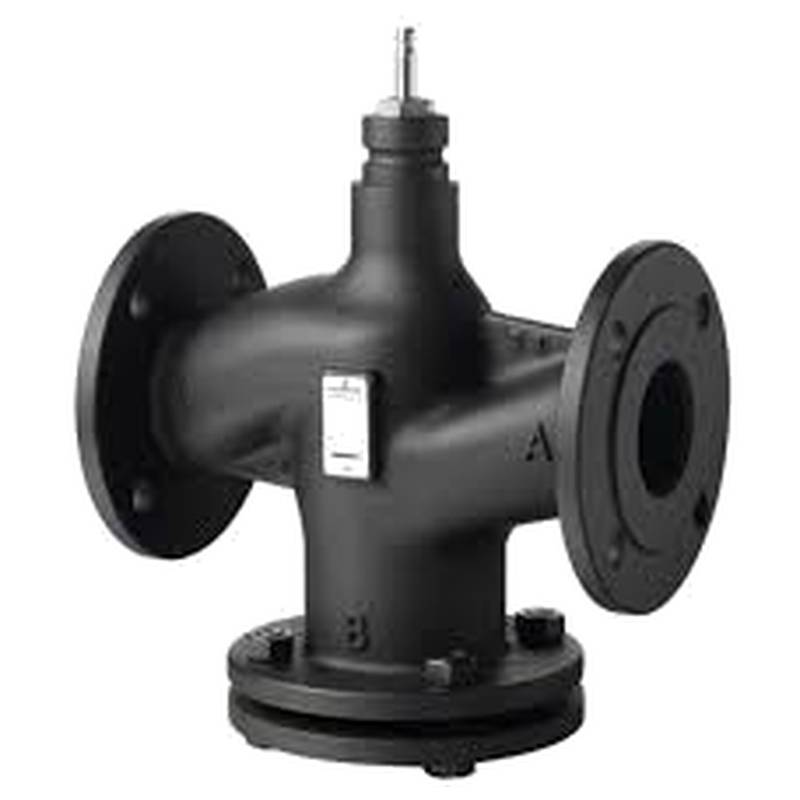
SIEMENS VVF42.125-200C Globe Valve DN125 kvs 200 Flanged


The SIEMENS VVF42.125-200C is a high-performance flanged globe valve designed for precise control in demanding industrial applications. This DN125 valve, with a KVS rating of 200, offers exceptional flow characteristics and robust construction, making it a superior choice for HVAC, industrial process control, and power generation systems. Its key advantages include precise flow regulation, high pressure and temperature resistance, and long-term operational reliability. Key technical parameters for the SIEMENS VVF42.125-200C are detailed below.
| Parameter | Specification |
| :---------------- | :------------------------------------ |
| Product Type | Flanged Globe Valve |
| Manufacturer | Siemens |
| Model Number | VVF42.125-200C |
| Nominal Diameter | DN125 (5 inches) |
| Flow Coefficient | KVS 200 m³/h |
| Connection Type | Flanged |
| Actuator Type | Designed for direct mounting of SQS...|
| Body Material | Cast Iron (GG25) |
| Sealing Type | Soft Seal |
| Media Temperature | -10…120 °C |
| Differential Pressure | Max. 250 kPa |
| Leakage Rate | Class A acc. to EN 1349 |
| Mounting Position | Vertical or Horizontal |
Core Features & Market Positioning
The SIEMENS VVF42.125-200C distinguishes itself through its advanced design, providing superior throttling capabilities essential for maintaining stable process conditions. Its soft-seal design ensures minimal leakage, meeting stringent environmental and operational standards, a critical factor in sectors like chemical processing and water treatment. This valve is engineered for compatibility with Siemens' range of electromechanical actuators, facilitating seamless integration into automated control systems. The robust cast iron construction (GG25) provides excellent durability and resistance to corrosion and wear, positioning it as a reliable long-term investment for facility managers and engineers seeking dependable control solutions. Its ability to handle a maximum differential pressure of 250 kPa and media temperatures up to 120 °C further solidifies its capability in demanding environments.
Key Application Scenarios
This flanged globe valve finds extensive use in building services, particularly within large-scale HVAC systems for precise temperature and flow control in heating and cooling circuits. In industrial process automation, the SIEMENS VVF42.125-200C is instrumental in managing fluid flows for chemical reactors, material handling, and manufacturing processes where accurate regulation is paramount. Power plants utilize these valves for controlling steam and water distribution, ensuring efficient and safe operation. Its DN125 size and KVS 200 rating make it suitable for high-volume flow applications requiring dependable throttling, such as in district heating networks or large industrial cooling loops. The valve's suitability for mounting in vertical or horizontal positions offers considerable flexibility for installation engineers.
Practical System Integration Guidance
Integrating the SIEMENS VVF42.125-200C into existing control systems is streamlined due to its design for direct mounting of Siemens SQK actuators, eliminating the need for external linkages and reducing potential points of failure. Proper installation involves ensuring the valve body is correctly oriented according to system flow direction and ambient conditions, especially considering its permissible media temperatures. For electrical interconnection, adherence to the actuator's specific wiring diagrams is crucial, typically involving a 3-point control signal or a more advanced bus communication protocol depending on the chosen actuator model. Commissioning requires careful calibration of the actuator's stroke to match the valve's operational range and the system's flow requirements, often performed via the actuator's integrated controls or a connected building management system (BMS).
Operation and Risk Mitigation
Safe operation of the SIEMENS VVF42.125-200C relies on understanding its operational limits, particularly the maximum differential pressure of 250 kPa and the temperature range of -10 to 120 °C. Regular inspection of the valve body and flange connections for signs of wear or leakage is recommended to prevent unexpected failures. Actuator performance should be monitored through the control system; abnormal actuator behavior, such as erratic movement or failure to reach setpoints, can indicate underlying issues with the valve or the control signal. While the soft-seal design provides excellent shut-off (Class A leakage rate), any persistent leakage should be investigated, as it could compromise system efficiency or safety. Periodic maintenance, including checking stem packing and actuator functionality, will mitigate operational risks.
Scalability & Long-Term Value
The SIEMENS VVF42.125-200C offers significant long-term value through its compatibility with Siemens' extensive automation portfolio, allowing for easy upgrades and integration with newer digital control technologies. Its robust construction ensures a long service life, minimizing the need for premature replacement. For facilities looking to embrace Industrial IoT (IIIoT) and digital transformation, the valve's ability to integrate with smart actuators and communication protocols enables remote monitoring, predictive maintenance, and data-driven optimization of process control. This scalability ensures that the valve remains a relevant and valuable component as control systems evolve, providing a secure investment for future operational enhancements.
Frequently Asked Questions
What is the maximum operating pressure for the SIEMENS VVF42.125-200C?
The SIEMENS VVF42.125-200C is rated for a maximum differential pressure of 250 kPa. This parameter is critical for ensuring valve integrity and performance. Always operate within this specified limit.
This maximum differential pressure ensures the valve's robust construction can withstand operational demands without compromise. It's a key factor in system design for longevity.
Understanding and adhering to this pressure limit is vital for preventing premature wear and potential system failures. It guarantees safe and efficient operation.
What types of media can the VVF42.125-200C valve handle?
The valve is designed to handle various fluids within its specified temperature range, typically water-based heating and cooling media. Its soft seal is suitable for clean or lightly treated water.
For optimal performance and to prevent premature seal degradation, it's recommended to use media that are compatible with its operating temperature and material construction. Avoid abrasive or highly corrosive substances.
Always consult the official Siemens documentation for a comprehensive list of compatible media to ensure the valve's longevity and prevent potential damage.
What is the significance of the KVS 200 rating?
The KVS 200 rating indicates the valve's flow capacity, specifically that it can allow 200 cubic meters of water per hour at a pressure drop of 1 bar. This is crucial for sizing the valve correctly in a system.
This high KVS value signifies that the valve can handle substantial flow rates, making it suitable for large-scale industrial and HVAC applications requiring significant water or fluid movement.
Accurate KVS data ensures that the valve will meet the system's flow demands precisely when controlled by an appropriate actuator, optimizing overall system efficiency.
Can the SIEMENS VVF42.125-200C be used in high-temperature applications?
The valve is specified for media temperatures ranging from -10°C up to a maximum of 120°C. This covers many standard heating and cooling applications.
Operating outside this defined temperature range can lead to material degradation and premature valve failure. Always check ambient conditions too.
If your application requires temperatures beyond 120°C, a different valve series from Siemens or another manufacturer would be necessary.
What is the leakage rate of this globe valve?
The SIEMENS VVF42.125-200C meets Class A leakage rate according to EN 1349. This means it has very low leakage when fully closed, which is essential for tight shut-off requirements.
Class A leakage ensures minimal fluid loss when the valve is in its closed position, contributing to system efficiency and preventing unwanted downstream flow.
This high standard of sealing is critical in many industrial processes and HVAC systems where precise control and minimal waste are paramount objectives.
What are the advantages of the flanged connection type on this valve?
Flanged connections offer a robust and secure mechanical joint, ideal for high-pressure and high-vibration industrial environments. They facilitate easier maintenance and replacement compared to welded connections.
The flanged design ensures a tight seal and simplifies installation and removal of the valve from the pipeline, reducing downtime during servicing or system modifications.
This connection method is standard in many industrial piping codes, ensuring compatibility with a wide range of system components and adherence to safety regulations.
How is the SIEMENS VVF42.125-200C typically controlled?
This valve is designed for direct mounting of Siemens SQK electromechanical actuators, allowing for precise control via standard electronic signals like 0-10V or 4-20mA, or digital communication protocols.
The actuator translates the control signal into precise stem movement, enabling accurate throttling of fluid flow according to the demands of the process or building management system.
Integration with Siemens automation platforms, such as Desigo, allows for sophisticated control strategies, remote monitoring, and diagnostics for enhanced operational efficiency.
What is the body material of the VVF42.125-200C?
The body of the SIEMENS VVF42.125-200C is constructed from GG25 cast iron. This material provides excellent durability and resistance to common industrial fluids and operating conditions.
Cast iron (GG25) is a cost-effective material that offers good mechanical strength and thermal properties, making it a suitable choice for a wide range of general industrial applications.
Ensure the handled media is compatible with GG25 cast iron, especially concerning potential corrosion, to maintain the valve's integrity and service life throughout its operation.
What is the nominal diameter (DN) and its implication?
The DN125 designation indicates a nominal diameter of 125 millimeters, which roughly corresponds to a 5-inch pipe size. This dictates the valve's physical size and its capacity to handle flow.
A DN125 valve is suitable for applications requiring a significant flow rate, ensuring that it doesn't create an undue restriction in larger pipelines within an industrial or HVAC system.
When selecting this valve, ensure that your piping system is designed to accommodate a DN125 connection and flow rate for optimal system performance and compatibility.
Does this valve require specific installation orientation?
While the SIEMENS VVF42.125-200C can be mounted vertically or horizontally, the orientation should be considered based on the specific application and potential for cavitation or sediment accumulation.
For optimal performance and longevity, it is often recommended to install globe valves in a manner that minimizes the risk of water hammer and allows for easy maintenance.
Always refer to the specific installation manual provided by Siemens for detailed guidance tailored to different mounting positions and environmental factors to ensure correct setup.