











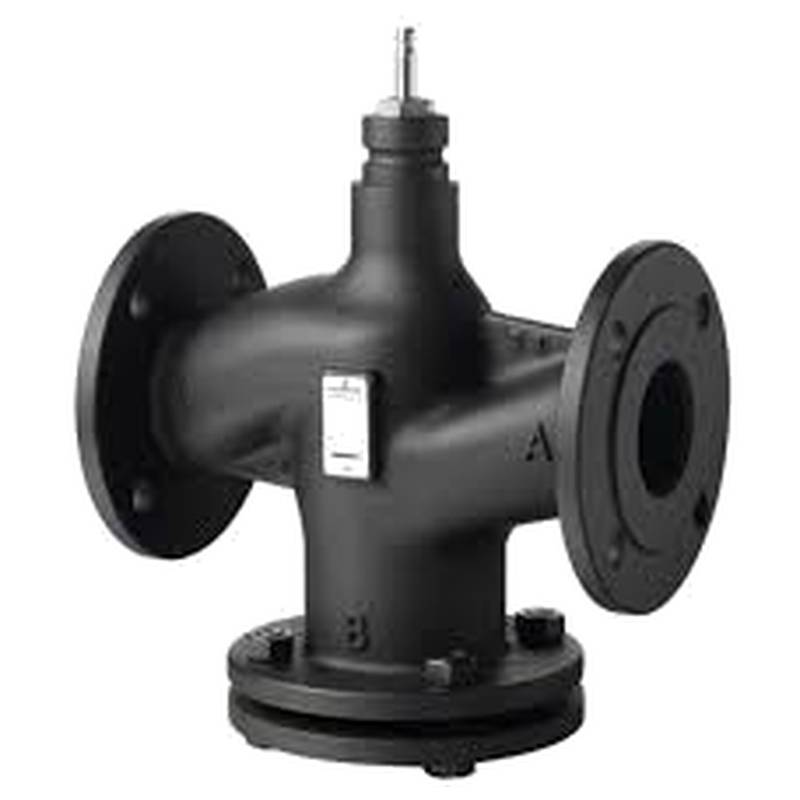
SIEMENS VVF43.80-100K Globe Valve DN80 kvs 100 Flanged


The SIEMENS VVF43.80-100K Globe Valve is a high-performance, flanged DN80 valve with a kvs of 100, engineered for precise flow control in demanding industrial applications. This valve boasts exceptional durability, advanced control characteristics, and seamless integration into modern automation systems. Its robust construction ensures reliable operation even under extreme conditions, making it a preferred choice for HVAC, industrial process control, and building management systems. The VVF43.80-100K excels in applications requiring accurate temperature regulation and significant flow rates, offering a superior balance of performance and longevity.
Product Specifications
| Parameter | Specification |
| :---------------- | :-------------------- |
| Product Type | Globe Valve |
| Manufacturer | SIEMENS |
| Model Number | VVF43.80-100K |
| Nominal Diameter | DN80 |
| Kvs Value | 100 m³/h |
| Connection Type | Flanged |
| Connection Size | DN80 (3 inch equivalent) |
| Body Material | Cast Iron (GGG40) |
| Seat Material | EPDM |
| Stem Material | Stainless Steel |
| Max. Operating Pressure | 16 bar |
| Max. Operating Temperature | 130 °C |
| Actuator Mounting | Direct mount |
| Control Type | Two-way |
Core Features & Market Positioning
The SIEMENS VVF43.80-100K distinguishes itself through its superior sealing capabilities and precise flow modulation, crucial for energy efficiency and process stability. Its direct mounting design simplifies actuator installation and reduces potential leak points, a significant advantage in plant maintenance. Compared to other valves in its class, the VVF43.80-100K offers an optimized flow coefficient (kvs 100) for its DN80 size, providing greater control flexibility. This positions it as a premium solution for critical control loops where accuracy and reliability are paramount, often outperforming competitor products in longevity and reduced maintenance cycles.
Key Application Scenarios
This globe valve is ideally suited for temperature control loops in building services, particularly in large commercial and industrial HVAC systems for regulating hot and chilled water flow. Its robust construction and high flow capacity also make it suitable for process control applications in the chemical and manufacturing industries, managing fluid distribution and maintaining precise operational parameters. It is a common component in district heating networks and power plants for precise steam or hot water regulation, where its ability to handle significant flow rates and pressures is essential for system efficiency.
Practical System Integration Guidance
Integrating the SIEMENS VVF43.80-100K typically involves direct mounting of an appropriate Siemens electric or pneumatic actuator, such as the GLB series. Ensure the valve is installed in a clean environment, with proper alignment to prevent undue stress on the flange connections. For automated systems, actuators connect to the valve stem via a standardized coupling. Electrical actuators require connection to the control system's output signals (e.g., 0-10 VDC, 4-20 mA), often requiring specific wiring configurations detailed in the actuator's manual. Pneumatic actuators necessitate a clean, dry air supply and a 3/2-way solenoid valve for positioning.
Operation and Risk Mitigation
Safe operation of the VVF43.80-100K relies on adhering to its specified pressure and temperature limits to prevent material failure. Regular inspection of the valve body, stem, and flange gaskets is crucial to identify any signs of wear, corrosion, or leakage. In the event of actuator failure or loss of control signal, the valve's fail-safe position (determined by the actuator) should be considered and planned for within the overall system design to prevent unintended consequences, such as overcooling or overheating of processes. Unexpected noise or vibration during operation may indicate cavitation or flow restrictions, requiring immediate system diagnostics.
Scalability & Long-Term Value
The SIEMENS VVF43.80-100K is designed for robust performance and longevity, contributing to long-term operational value. Its compatibility with a wide range of Siemens actuators and control systems allows for seamless integration into existing infrastructure and future upgrades. For facilities implementing digital transformation, these valves can be part of a smart building or industrial IoT (IIoT) strategy, with advanced actuators providing feedback on operational status and performance metrics, enabling predictive maintenance and optimized system control.
Frequently Asked Questions
What is the primary function of the SIEMENS VVF43.80-100K globe valve?
This valve's core function is precise flow regulation in liquid and steam systems. It modulates the flow rate based on control signals from an automation system. This ensures stable temperatures and optimized performance in various industrial and building automation applications.
The VVF43.80-100K is engineered for accurate control, minimizing deviations from setpoints. Its design contributes to energy efficiency by preventing over-consumption of heating or cooling media. Applications range from HVAC to complex industrial processes requiring fine flow adjustment.
Its durable construction and high-quality materials guarantee a long service life. This reduces the need for frequent replacements and associated downtime, offering significant long-term economic benefits for plant operators.
How does the kvs value of 100 affect the valve's performance?
A kvs of 100 indicates the valve's capacity to pass 100 cubic meters of water per hour at a pressure drop of 1 bar. This high flow coefficient is essential for applications requiring significant fluid throughput. It allows for efficient regulation in larger pipe sizes and demanding systems.
This value directly influences the valve's control range and responsiveness. A higher kvs allows for finer adjustments at lower flow rates while still accommodating peak demand. It ensures the valve can meet the system's full operational requirements.
The kvs is a critical parameter for system designers to size the valve correctly. It ensures that the chosen valve can achieve the desired flow rates without excessive pressure drops or undersizing, optimizing system performance and energy usage.
What are the typical materials used in the construction of the SIEMENS VVF43.80-100K?
The valve body is typically constructed from durable cast iron (GGG40), providing excellent resistance to corrosion and mechanical stress. This material choice ensures longevity in harsh industrial environments. It is suitable for a wide range of operating conditions.
The valve seat is often made from EPDM (Ethylene Propylene Diene Monomer) rubber, offering excellent sealing properties and resistance to hot water and steam. This material ensures tight shut-off and minimizes leakage. Its flexibility accommodates thermal expansion.
The valve stem is made of stainless steel, providing high strength, corrosion resistance, and smooth operation. This ensures reliable movement of the valve plug and long-term performance under continuous cycling. It prevents stem seizure.