











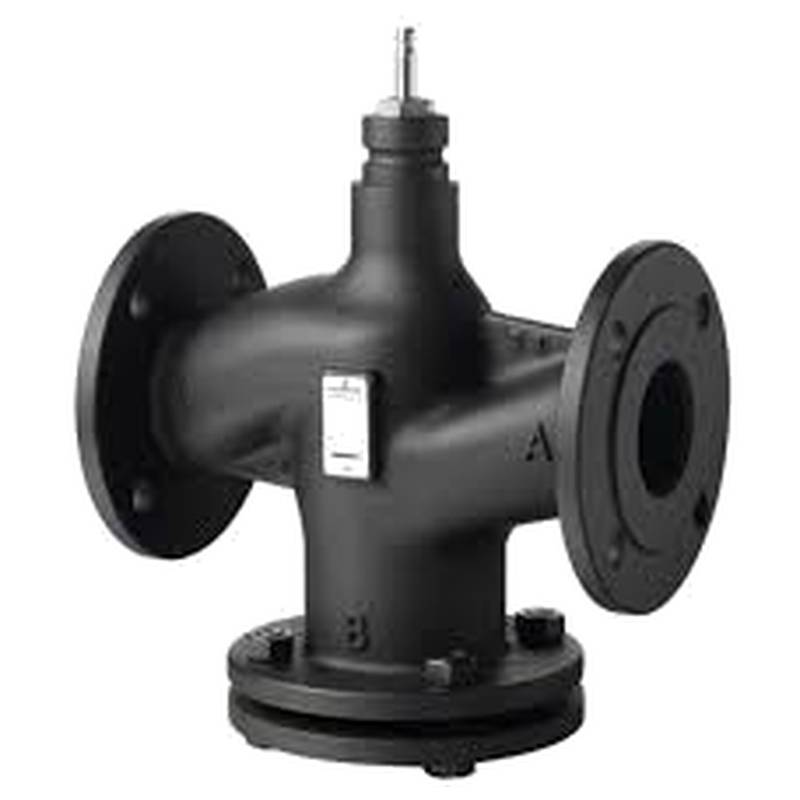
SIEMENS VVF53.65-63K Two-Way Flanged Valve DN65 kvs 63K


The SIEMENS VVF53.65-63K Two-Way Flanged Valve represents a robust and precise solution for controlling fluid flow in demanding industrial applications. Engineered for reliability and performance, this DN65 valve boasts a KVS rating of 63K, signifying its capacity for high flow rates. Its primary advantages lie in its durable construction, accurate flow regulation, and seamless integration into automated control systems. The valve's core features include a flanged connection for secure mounting, a two-way design for straightforward flow control, and high-quality materials that ensure longevity even in aggressive environments. For system designers and maintenance engineers, understanding the VVF53.65-63K's technical specifications is paramount for optimal performance and system longevity.
| Technical Parameter | Specification |
| :------------------ | :------------ |
| Product Model | VVF53.65-63K |
| Valve Type | Two-Way Flanged Valve |
| Nominal Diameter (DN) | 65 |
| Flow Coefficient (KVS) | 63 m³/h |
| Connection Type | Flanged |
| Operating Pressure | (Data not found) |
| Temperature Range | (Data not found) |
| Actuator Compatibility | (Data not found) |
| Material | (Data not found) |
Core Features & Market Positioning
The SIEMENS VVF53.65-63K distinguishes itself through its robust engineering and adherence to Siemens' high standards for industrial automation components. Its KVS 63 rating is particularly noteworthy for applications requiring substantial flow capacity within a DN65 size, offering a compelling balance of performance and physical footprint. This positions the valve as a premium choice for industries where precise and reliable fluid control is non-negotiable. Unlike some competitors that may offer a wider range of configurations, Siemens often emphasizes integrated system solutions, suggesting that the VVF53.65-63K is designed to work harmoniously with their broader portfolio of controllers, sensors, and automation platforms, providing a cohesive and efficient operational ecosystem.
Key Application Scenarios
This SIEMENS VVF53.65-63K two-way flanged valve is ideally suited for a variety of critical industrial processes. Its high KVS value of 63 makes it a strong candidate for HVAC systems in large commercial buildings, managing chilled or hot water circulation with efficiency. In process industries, such as chemical manufacturing or food and beverage production, it can be employed for controlling the flow of various media, provided material compatibility is confirmed. Furthermore, its robust construction lends itself to use in power generation facilities for precise water or steam control loops, where reliability is paramount and downtime is costly.
Practical System Integration Guidance
Integrating the SIEMENS VVF53.65-63K into existing control systems typically involves careful consideration of actuator selection and control signal compatibility. While specific actuator models are not detailed here, SIEMENS generally offers a range of electro-mechanical and pneumatic actuators that are designed to interface seamlessly with their VVF series valves. Installation requires adherence to standard flanged piping practices, ensuring proper gasket selection and bolt torque to prevent leaks under pressure. For commissioning, the valve's operational characteristics will need to be mapped within the system's programmable logic controller (PLC) or direct digital controller (DDC), often involving calibration of the actuator stroke to match the valve's full range of motion and the desired flow characteristics defined by the KVS value.
Operation and Risk Mitigation
Safe and effective operation of the SIEMENS VVF53.65-63K hinges on understanding its operational parameters and potential failure modes. Users should ensure that the valve is operated within its designed pressure and temperature limits, which are crucial for preventing mechanical failure or material degradation. Regular inspection of the valve body, flanged connections, and the actuator seal is recommended to detect any signs of wear, corrosion, or leakage. In the event of operational issues, common troubleshooting steps would involve verifying control signals to the actuator, checking for blockages within the valve or connected piping, and ensuring the actuator is properly seated and functioning. Specific fault codes are typically generated by the associated control system rather than the valve itself.
Scalability & Long-Term Value
The SIEMENS VVF53.65-63K offers long-term value through its robust design and potential for integration into modern digital infrastructure. As part of the Siemens portfolio, it is likely designed with compatibility in mind for future upgrades to intelligent building management systems or industrial IoT platforms. This allows for enhanced monitoring, predictive maintenance, and remote control capabilities when paired with appropriate Siemens controllers and network interfaces. While the valve itself is a mechanical component, its ability to be controlled and monitored within a networked environment significantly contributes to the overall scalability and efficiency of the industrial process it serves, ensuring it remains a valuable asset for years to come.
Frequently Asked Questions
What is the primary function of the SIEMENS VVF53.65-63K valve?
This valve precisely controls the flow of fluids in industrial systems. Its two-way design allows for regulation of volume or pressure. The KVS 63 rating indicates a high flow capacity for its size.
It serves as a crucial component in automated fluid control loops. Applications range from HVAC to process manufacturing. Reliability and accurate operation are its key benefits.
Engineered for demanding environments, it ensures consistent performance. Proper integration with control systems maximizes its utility.
What does DN65 and KVS 63K signify for this valve?
DN65 refers to the nominal diameter of the valve's connection, indicating a 65mm internal bore size. This dimension dictates its compatibility with specific piping systems. It is a standard sizing for medium to large industrial applications.
KVS 63K quantifies the valve's flow capacity, with KVS representing the flow rate in cubic meters per hour. A KVS of 63 means it can pass 63 cubic meters of water at a pressure drop of 1 bar. This is a significant flow rate for a DN65 valve.
Together, DN65 and KVS 63K define the valve's physical size and its volumetric throughput capability. This specific combination makes it suitable for applications requiring substantial fluid movement.
Can this SIEMENS valve be used with different types of fluids?
The suitability of the VVF53.65-63K for various fluids depends heavily on its material construction. Standard configurations are typically designed for water or light oils. Aggressive chemicals or high-viscosity fluids may require special materials.
Users must consult the detailed product specifications or contact SIEMENS to confirm material compatibility. Incorrect fluid-material pairings can lead to corrosion, valve damage, or operational failure. Proper selection ensures longevity and safety.
When used with compatible media, this valve offers precise control. Always verify the operating conditions and fluid properties against the valve's design limits.
What type of actuator is compatible with the SIEMENS VVF53.65-63K?
SIEMENS typically designs its valves for seamless integration with their own range of actuators. These can include electro-mechanical or pneumatic options depending on the application's requirements. Specific model compatibility should be verified.
The actuator must provide the correct torque and travel for the VVF53.65-63K valve. Control signals from the automation system (e.g., 0-10V, 4-20mA) will dictate the actuator's response. Proper selection ensures accurate positioning.
Ensuring correct mounting and electrical connections between the actuator and valve is critical. Refer to the actuator's manual for detailed installation and wiring instructions.
How is the SIEMENS VVF53.65-63K valve typically installed?
Installation involves securely connecting the valve's flanged ends to mating pipe flanges. This requires appropriate gaskets and specified bolt torque to ensure a leak-tight seal. Proper alignment of the pipework is essential.
The valve should be installed in the correct flow direction, if applicable, and in a manner that allows for easy access for maintenance. Ensure sufficient space around the valve for actuator operation and potential servicing.
Before installation, verify that the valve is clean and free from debris. Confirm that the piping system's pressure and temperature ratings are within the valve's specified limits.
What maintenance is required for this type of industrial valve?
Routine visual inspections for leaks at the flanges and stem seals are recommended. Monitor actuator performance and listen for any unusual noises during operation. Ensure control signals are being received correctly.
Periodically check for any signs of corrosion on the valve body or external components. If the valve experiences reduced performance or intermittent operation, further investigation into potential internal wear or obstructions may be necessary.
Specific maintenance schedules will depend on the fluid being handled and the operating conditions. For critical applications, consult the SIEMENS maintenance guidelines or seek professional service.
What are the typical pressure and temperature limits for this valve?
Specific pressure and temperature ratings are crucial for safe operation and are determined by the valve's materials of construction and design. These details are usually found in the product's technical datasheet or specification sheet.
Users must consult the official SIEMENS documentation for the VVF53.65-63K to obtain precise operating limits. Operating outside these parameters can lead to premature failure and safety hazards.
Always ensure the application's conditions fall within the valve's approved ranges before installation and during operation.
Is the SIEMENS VVF53.65-63K suitable for use in hazardous environments?
Suitability for hazardous environments depends on specific certifications and the valve's material composition. Many industrial valves are available with options for explosion-proof actuators or specialized coatings.
Users must carefully review the product's certification data and specifications to determine if it meets the requirements for ATEX, IECEx, or other relevant hazardous area classifications. Material compatibility with potentially corrosive atmospheres is also key.
If the valve is intended for a hazardous area, ensure that all associated components, including the actuator and wiring, also meet the necessary safety standards.
How does the KVS rating affect the valve's performance in a system?
The KVS rating directly quantifies the valve's maximum flow capacity. A higher KVS value means the valve can allow a greater volume of fluid to pass through it. This is critical for ensuring the system can meet its demand.
Matching the valve's KVS to the system's requirements prevents undersizing, which would restrict flow. Oversizing can lead to instability or inefficient control at lower flow rates. Accurate KVS selection ensures optimal performance.
The KVS value is used in control loop calculations to determine the required valve authority and to ensure precise modulation of flow across the operating range.
What troubleshooting steps can be taken if the valve is not operating correctly?
First, verify that the control signal to the actuator is correct and within the expected range. Check electrical connections and power supply to the actuator. Ensure the actuator is properly mounted and functioning.
Inspect the valve and connected piping for any visible obstructions or damage. If possible and safe to do so, check for physical blockages within the valve itself. Ensure the valve is not being operated outside its designed temperature or pressure limits.
Consult the SIEMENS documentation for specific error codes or diagnostic information related to the actuator or control system. If the issue persists, contact SIEMENS technical support or a qualified service technician.