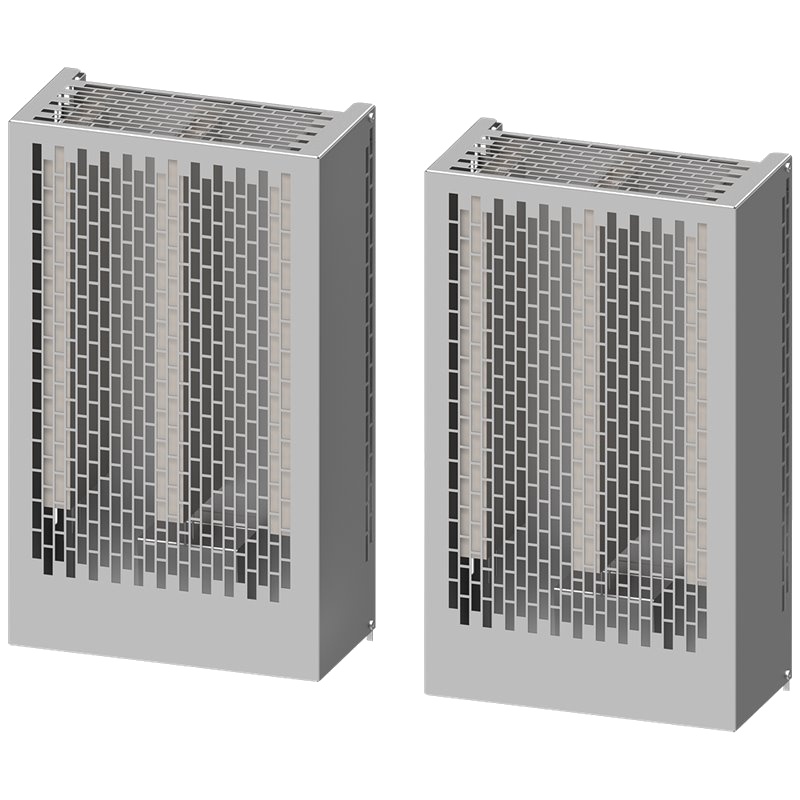
SIEMENS JJY:023434020002 SINAMICS G120 Braking Resistor for Power Module FSD 7.5kW 15kW


The SIEMENS JJY:023434020002 SINAMICS G120 braking resistor is a critical component for managing dynamic braking energy in demanding industrial applications. This resistor is specifically designed for integration with SINAMICS G120 Power Modules, particularly for 7.5kW and 15kW variants, providing essential protection against overvoltage during rapid deceleration. Its robust construction and precise parameterization ensure reliable performance, extending the lifespan of both the drive and the connected machinery.
Product Specifications
| Parameter | Value |
| :-------------------- | :---------------------------------------- |
| Manufacturer | Siemens |
| Product Number | JJY:023434020002 |
| Series | SINAMICS G120 |
| Component Type | Braking Resistor |
| Compatibility | Power Module FSD (7.5kW, 15kW) |
| Resistance Value | Varies based on specific module pairing |
| Power Rating | Varies based on specific module pairing |
| Protection Class | IP20 (typical for internal mounting) |
| Operating Temperature | -20°C to +50°C (typical) |
Core Features & Market Positioning
The SIEMENS JJY:023434020002 stands out due to its seamless integration within the SINAMICS G120 ecosystem, a market leader in variable frequency drive technology. This resistor leverages Siemens' extensive experience in power electronics, offering optimized thermal management and high-quality winding materials for sustained performance under heavy duty cycles. Its design prioritizes safety and efficiency, positioning it as a premium solution for applications where drive control reliability is paramount. The compatibility with specific Power Module frame sizes (FSD) ensures a precise match, minimizing the risk of component mismatch and maximizing braking effectiveness.
Key Application Scenarios
This braking resistor is ideally suited for applications involving frequent motor starts, stops, and speed reversals, such as those found in material handling systems, conveyor belts, and automated production lines. Industries like manufacturing, logistics, and packaging benefit significantly from its ability to dissipate regenerative energy, preventing voltage spikes that could damage sensitive drive components. It is particularly valuable in high-inertia load scenarios where mechanical energy must be rapidly converted to heat during deceleration.
Practical System Integration Guidance
Integrating the SIEMENS JJY:023434020002 resistor with a SINAMICS G120 Power Module requires adherence to specific wiring diagrams and parameter settings. The resistor connects directly to the DC bus terminals of the compatible Power Module. Crucially, the drive's control unit must be configured to recognize and utilize the braking resistor. This typically involves setting parameters related to the braking torque threshold and the resistor's resistance value within the SINAMICS parameterization software (e.g., STARTER or TIA Portal). Incorrect configuration can lead to ineffective braking or component damage. Always consult the official Siemens documentation for the specific Power Module and drive version being used.
Operation and Risk Mitigation
Proper operation of the SINAMICS G120 braking resistor depends on ensuring it is correctly sized for the application's braking requirements and that the drive parameters are meticulously set. Overheating is a primary risk, which can occur if the resistor is subjected to continuous or excessively high braking duty beyond its rated capacity, or if ventilation is inadequate. Monitoring drive temperature and braking energy levels via the drive's diagnostic features is recommended. Fault codes related to overvoltage or braking chopper issues often indicate a problem with the resistor, its connection, or its configuration. Regular visual inspection for damage or loose connections can prevent operational failures.
Scalability & Long-Term Value
The SIEMENS JJY:023434020002 is designed to be a durable component within the scalable SINAMICS G120 platform. Its compatibility across different SINAMICS G120 Power Module sizes (within the FSD frame) offers flexibility for system expansion. While the resistor itself is a fixed component, its long-term value is realized through the enhanced reliability and protection it provides to the entire drive system. Integration with Siemens' broader automation portfolio and IIoT solutions allows for remote monitoring and predictive maintenance, further extending its operational lifespan and maximizing return on investment.
FAQs
Q1: What is the primary function of the SIEMENS JJY:023434020002 braking resistor?
This resistor dissipates excess energy generated by the motor during braking. It prevents overvoltage on the DC bus of the SINAMICS G120 drive. This protects the power module and other drive components.
Q2: Which SINAMICS G120 Power Modules are compatible with this braking resistor?
It is designed for SINAMICS G120 Power Module FSD frame sizes. This includes the 7.5kW and 15kW power ratings. Always verify compatibility with your specific module.
Q3: How is the braking resistor connected to the SINAMICS G120?
The resistor connects to the DC bus terminals of the compatible power module. Proper wiring according to Siemens schematics is essential. Incorrect connections can lead to failure.
Q4: What are the key advantages of using this specific Siemens braking resistor?
It offers seamless integration with the SINAMICS G120 drive system. This ensures optimized performance and reliability. Siemens quality guarantees durability and efficient energy dissipation.
Q5: Can this braking resistor be used with other drive systems besides SINAMICS G120?
No, it is specifically engineered for the SINAMICS G120 platform. Using it with other systems is not recommended and may cause damage. It relies on specific drive control signals.
Q6: What steps should be taken if the drive reports a braking resistor fault?
First, check the physical connections of the resistor. Then, verify the drive's braking resistor parameter settings. Ensure the resistor is not damaged and is correctly rated for the application.
Q7: How does regenerative braking work with this resistor?
During deceleration, the motor acts as a generator, feeding energy back to the drive. The braking resistor converts this electrical energy into heat. This keeps the DC bus voltage within safe limits.
Q8: What are the typical environmental conditions for operating this braking resistor?
It is generally designed for indoor use in industrial environments. Typical operating temperatures range from -20°C to +50°C. Ensure adequate ventilation to prevent overheating.
Q9: Does the resistance value of the braking resistor vary?
Yes, the exact resistance value is critical for proper operation and is specified by Siemens for each compatible module. It is a key parameter that must be configured in the drive.
Q10: What is the expected lifespan of this SIEMENS braking resistor?
With correct sizing, installation, and operation, the resistor has a long service life. Its lifespan is tied to the overall drive system's reliability. Preventative maintenance checks are advised.