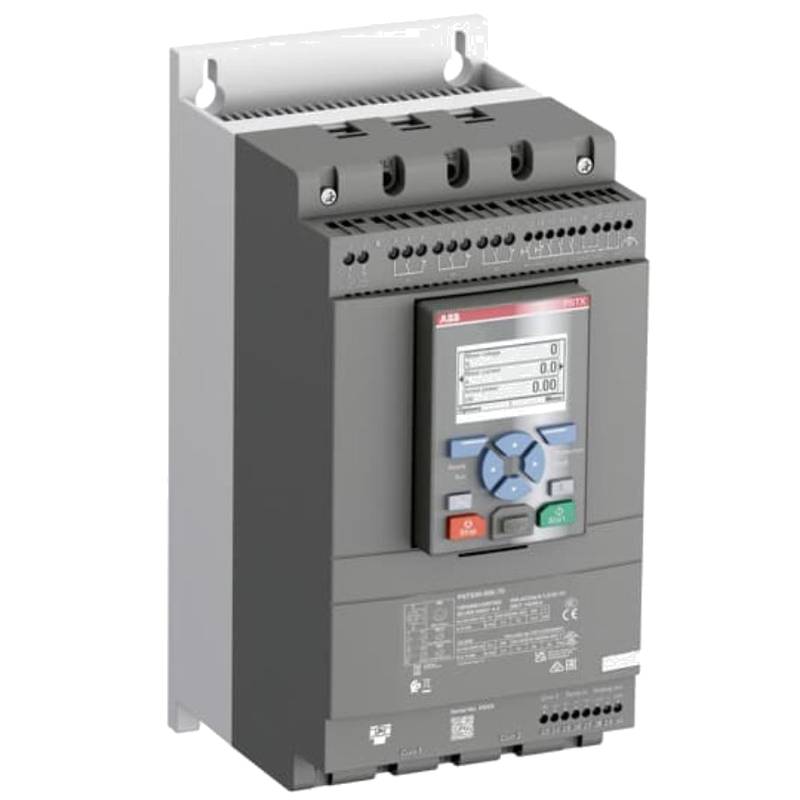













SIEMENS PME71.901A2 Burner Control Interface Module PME71


The SIEMENS PME71.901A2 Burner Control Interface Module stands as a cornerstone for reliable and efficient industrial combustion control. This module is engineered to provide robust safety, precise control, and seamless integration within complex burner management systems. Its key advantages lie in its advanced diagnostic capabilities, ensuring operational continuity and immediate fault identification. Core features include comprehensive safety interlocking, flexible parameterization, and direct communication interfaces, making it a superior choice for demanding applications. Technically, the PME71.901A2 operates within a specified voltage range and environmental tolerances, designed for industrial environments.
Product Specifications
| Feature | Specification |
| :------------------- | :------------------------------------------ |
| Product Type | Burner Control Interface Module |
| Manufacturer | SIEMENS |
| Model Number | PME71.901A2 |
| Primary Function | Burner management and control |
| Voltage Rating | Typically 24 VDC (verify specific variant) |
| Temperature Range | Industrial operating temperature range |
| Certifications | Relevant industrial and safety standards |
| Communication | Interface for system integration |
| Safety Features | Integrated flame monitoring and safety interlocks |
Core Features & Market Positioning
The SIEMENS PME71.901A2 distinguishes itself through its sophisticated flame detection logic and comprehensive safety shutdown sequences, critical for preventing hazardous conditions in industrial combustion processes. Its market positioning is firmly rooted in its reputation for Siemens' inherent reliability and advanced engineering, making it a preferred component for original equipment manufacturers (OEMs) and end-users in sectors demanding high safety integrity and performance. Unlike simpler control modules, the PME71.901A2 offers granular control over combustion parameters, allowing for optimized fuel efficiency and reduced emissions, a significant differentiator in today's environmentally conscious industrial landscape. The module's robust diagnostics provide real-time status updates and detailed error logging, reducing downtime and simplifying troubleshooting, a key advantage over less integrated solutions.
Key Application Scenarios
The SIEMENS PME71.901A2 Burner Control Interface Module finds extensive application in a variety of industrial settings where safe and controlled combustion is paramount. It is integral to the operation of industrial boilers, thermal oxidizers, and process heaters used in chemical plants, refineries, power generation facilities, and manufacturing operations. Its robust design makes it suitable for environments requiring continuous operation under demanding conditions. For instance, in a petrochemical plant, the PME71.901A2 would manage the startup, operation, and shutdown sequences of a large process heater burner, ensuring compliance with stringent safety regulations and optimizing energy consumption. Similarly, in a waste-to-energy facility, it plays a crucial role in controlling the combustion of waste materials, ensuring efficient energy recovery while maintaining emission standards.
Practical System Integration Guidance
Integrating the SIEMENS PME71.901A2 into existing or new burner management systems requires careful attention to wiring and configuration. The module typically interfaces with flame detectors (UV, IR, or flame rod), ignition systems, fuel valves, and combustion air fans. Proper wiring of the safety circuits is non-negotiable, ensuring that all interlocks and permissive signals are correctly routed to guarantee safe operation. While specific programming interfaces may vary, configuration often involves setting parameters related to pre-purges, ignition timing, flame establishment, and post-purges via specialized software or terminal blocks. Consulting the official Siemens technical documentation for the PME71.901A2 and the specific burner system is essential for a successful and safe installation.
Operation and Risk Mitigation
Operating the SIEMENS PME71.901A2 involves understanding its sequence of operations and safety interlocks. The module initiates a defined sequence, typically including pre-ignition air purge, ignition trial, main flame establishment, and post-ignition air purge. Throughout operation, it continuously monitors flame presence and operational parameters. Critical risk mitigation is achieved through its inherent safety functions, such as immediate shutdown upon loss of flame or detection of unsafe conditions. Common troubleshooting issues might involve flame signal interruptions, which require checking flame detectors, wiring integrity, and potential interference. Fault codes, usually indicated by LED patterns or displayed on connected HMI panels, provide specific diagnostic information to guide corrective actions, thereby minimizing operational risks.
Scalability & Long-Term Value
The long-term value of the SIEMENS PME71.901A2 is significantly enhanced by its compatibility with Siemens' broader industrial automation platforms, such as SIMATIC PLCs. This inherent compatibility allows for seamless integration into larger control architectures and facilitates future system upgrades or expansions. The module's robust design and Siemens' commitment to product longevity ensure that it remains a reliable component for many years, reducing the total cost of ownership. Furthermore, its potential integration with Industrial Internet of Things (IIoT) solutions, through compatible communication gateways, opens avenues for advanced data analytics, predictive maintenance, and remote monitoring, further increasing its scalability and long-term value in evolving industrial environments.
Frequently Asked Questions
What are the primary safety features of the SIEMENS PME71.901A2?
The module incorporates critical safety interlocks that prevent burner ignition without proper pre-purging of the combustion chamber. It continuously monitors for flame presence and initiates an immediate shutdown sequence if the flame is lost unexpectedly during operation. This design ensures adherence to stringent safety standards for industrial combustion equipment.
This burner control module is designed with multiple layers of protection to prevent hazardous conditions, such as fuel accumulation or uncontrolled combustion events. It actively checks for permissive signals from various safety devices before and during burner operation, such as high-limit temperature switches and pressure sensors. The module also includes self-diagnostic functions to verify its own operational status and the integrity of connected safety circuits.
The PME71.901A2 module is engineered to detect flame failures within milliseconds, a crucial timing requirement for safety in burner management. Its internal logic is built to comply with international safety standards like IEC 61508 and 61511, providing a high level of functional safety assurance for critical applications.
How is the SIEMENS PME71.901A2 module typically powered in an industrial setting?
The SIEMENS PME71.901A2 module is commonly powered by a low-voltage DC supply, typically 24 VDC. This voltage level is standard for industrial control systems, ensuring compatibility with other control devices and power distribution units. It is crucial to ensure the power supply is stable and meets the module's specific requirements to prevent operational issues.
Reliable power is fundamental for the consistent and safe operation of the PME71.901A2. Therefore, it is typically connected to a dedicated, fused power circuit within the control panel, often originating from a Class 2 power supply or a similarly regulated source to protect against overcurrents and voltage fluctuations.
For mission-critical applications, a redundant power supply system might be implemented to guarantee continuous operation even in the event of a single power supply failure. This approach enhances system reliability and minimizes the risk of unscheduled downtime due to power-related issues.
What types of flame detectors are compatible with the SIEMENS PME71.901A2 module?
The SIEMENS PME71.901A2 module is designed to interface with a range of flame detection technologies to suit diverse applications and fuel types. Common compatible detectors include flame rods, which detect the electrical conductivity of a flame, and ultraviolet (UV) or infrared (IR) sensors that respond to specific radiation emitted by flames.
The selection of the appropriate flame detector depends on factors such as the fuel being used, the combustion environment, and the burner design. For example, UV sensors are widely used for natural gas and oil flames, while IR sensors can be more suitable for certain fuel types or applications with high background radiation. Flame rods are often used for pilot flames or simpler burner setups.
It is essential to consult the specific product documentation for the SIEMENS PME71.901A2 and the chosen flame detector to ensure correct wiring, signal compatibility, and optimal performance. Incorrect pairing can lead to unreliable flame detection or nuisance shutdowns, impacting the overall safety and efficiency of the burner system.
Can the PME71.901A2 module be used with different types of fuels (e.g., natural gas, oil, propane)?
Yes, the SIEMENS PME71.901A2 module is versatile and can be configured to manage combustion processes for various fuels, including natural gas, oil, and propane. The specific fuel type influences the burner design and the selection of associated components like fuel valves and igniters, but the control logic within the PME71.901A2 can be adapted through parameter settings.
The module's flexibility allows operators or technicians to adjust parameters such as purge times, ignition sequences, and flame monitoring sensitivities to match the combustion characteristics of different fuels. This adaptability ensures efficient and safe operation across a range of fuel sources without requiring a different control module.
When switching fuels or commissioning a new system, it is imperative to recalibrate and reconfigure the PME71.901A2 according to the fuel specifications and the burner manufacturer's recommendations. Proper setup ensures optimal combustion, fuel efficiency, and compliance with emission standards for the specific fuel being utilized.
What are common error codes or fault indications for the SIEMENS PME71.901A2?
Common fault indications for the SIEMENS PME71.901A2 often involve specific LED patterns or error codes displayed on an associated HMI. These typically alert operators to issues such as "Flame Failure," indicating no flame detected during the operational phase, or "Pre-Purge Failure," suggesting the combustion chamber did not clear adequately before ignition.
Other typical fault indications may include "Ignition Failure," meaning the igniter did not successfully establish a pilot or main flame within the allotted trial time, or "Low Flame Signal," which can point to a weak flame or a problematic flame detector. "External Fault" codes often signal an issue with a connected safety device or interlock that has tripped.
Consulting the official SIEMENS PME71.901A2 technical manual is crucial for interpreting the exact meaning of each error code or LED sequence. This documentation provides detailed explanations and recommended troubleshooting steps to efficiently diagnose and resolve the underlying problem, minimizing downtime.
How does the PME71.901A2 ensure flame stability and prevent nuisance shutdowns?
The SIEMENS PME71.901A2 employs advanced flame sensing algorithms and configurable parameters to ensure flame stability and minimize nuisance shutdowns. It analyzes the characteristics of the flame signal, filtering out transient electrical noise or intermittent false signals that could be misinterpreted as flame loss.
The module allows for precise adjustment of flame signal thresholds and time delays. Operators can set specific levels at which a flame is considered "established" and configure how long a temporary dip in the signal must persist before a shutdown is initiated, providing a buffer against minor fluctuations without compromising safety.
Furthermore, the PME71.901A2 integrates with specific flame detection hardware (UV, IR, flame rod) that are designed for robust performance in industrial environments. By selecting the appropriate detector for the application and configuring the module correctly, it can reliably distinguish between a true flame and other energy sources or environmental interference.
What is the typical lifespan and maintenance requirement for a SIEMENS PME71.901A2 module?
The SIEMENS PME71.901A2 module, like most industrial electronic components from reputable manufacturers, is designed for a long operational lifespan, often exceeding 10-15 years when operated within specified environmental conditions and without significant power disturbances. Routine maintenance is generally minimal, primarily focusing on ensuring clean connections and verifying the integrity of associated wiring and components.
Periodic checks of the module's status indicators and fault logs are recommended as part of a regular preventative maintenance schedule. This allows for early detection of potential issues and ensures that the module is functioning optimally. The primary maintenance activity often involves verifying the performance of connected safety devices, such as flame detectors and limit switches, rather than direct maintenance on the module itself.
While the module itself is solid-state and typically requires no internal maintenance, its operational environment is critical. Keeping the control panel clean, ensuring adequate ventilation, and protecting the module from extreme temperatures, humidity, or corrosive atmospheres will significantly contribute to its longevity and reliable performance over its intended service life.
What are the communication capabilities of the SIEMENS PME71.901A2 for system integration?
The SIEMENS PME71.901A2 is designed for integration into larger automation systems, often featuring communication interfaces that facilitate data exchange with Programmable Logic Controllers (PLCs) or Human-Machine Interfaces (HMIs). These interfaces can include standard digital inputs/outputs for basic status signaling or more advanced serial communication protocols, depending on the specific variant of the module.
While not always equipped with direct Ethernet connectivity on all models, the PME71.901A2 can be integrated into modern networked systems through compatibility with Siemens' SIMATIC platforms or by using external communication gateways. This allows for remote monitoring of burner status, diagnostic information, and operational parameters, as well as centralized control.
The precise communication capabilities, such as supported protocols (e.g., PROFIBUS, Modbus RTU) and data exchange formats, should be confirmed by consulting the product's technical specifications or datasheet. This ensures seamless integration with the existing or planned control architecture, enabling efficient data flow for monitoring and control purposes.
Is the SIEMENS PME71.901A2 module suitable for hazardous area applications?
Suitability for hazardous area applications depends on the specific certifications and enclosure ratings of the SIEMENS PME71.901A2 module variant being considered. Some industrial control components are designed with intrinsic safety features or are housed in explosion-proof enclosures to meet the stringent requirements of hazardous zones where flammable gases or dust may be present.
For hazardous area installations, it is imperative to select a PME71.901A2 module that is explicitly certified for such environments (e.g., ATEX, IECEx). These certified modules will have specific design considerations to prevent the ignition of flammable atmospheres, such as limiting electrical energy or ensuring robust sealing against ingress of combustible materials.
Always verify the hazardous area classification of the installation site and cross-reference it with the certifications and specifications of the chosen SIEMENS PME71.901A2 module. Installation in a hazardous area without appropriate certification and adherence to specific wiring and mounting guidelines can lead to severe safety risks and regulatory non-compliance.
What technical documentation is essential when installing and commissioning the PME71.901A2?
Essential technical documentation for the SIEMENS PME71.901A2 includes the official product manual, which details installation, wiring, configuration, and troubleshooting procedures. This manual is the primary source for understanding the module's operational sequences, safety interlocks, and fault code interpretations.
In addition to the module's manual, documentation for the specific burner system, flame detectors, ignition transformers, fuel valves, and any other connected safety devices is critical. This ensures that all components are compatible and correctly integrated according to their respective manufacturer specifications and industry standards.
Finally, a wiring diagram specific to the installation is indispensable. This diagram should clearly illustrate all electrical connections, terminal designations, and safety interlock logic. Having access to comprehensive and accurate documentation is paramount for a safe, compliant, and efficient installation and commissioning process.