











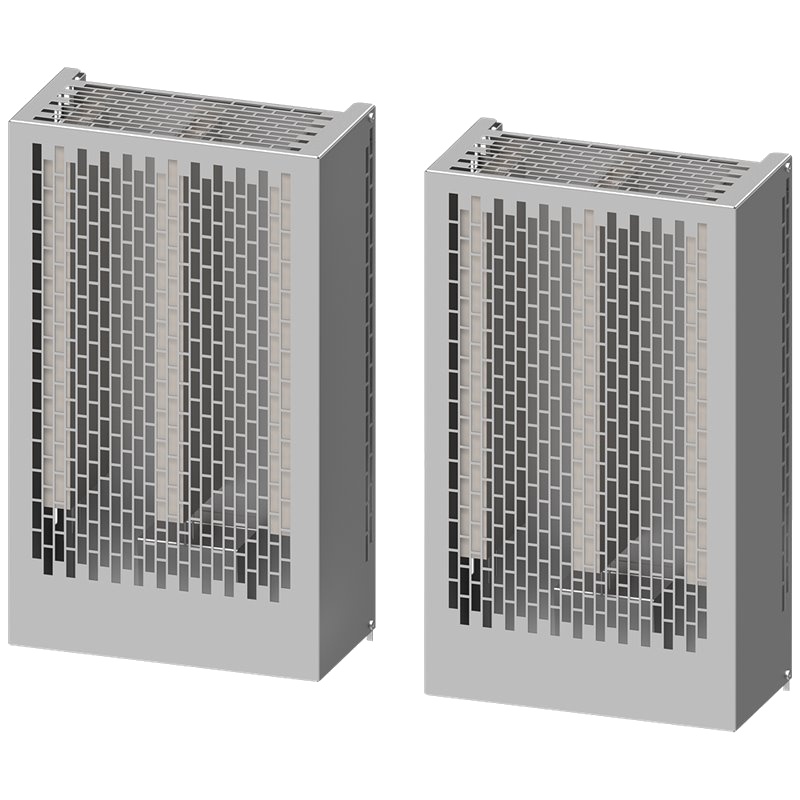
SIEMENS 6SL3000-1BH32-5AA0 SINAMICS Braking Resistor 600V 3.3 Ohm 25kW 500kW for Chassis


The SIEMENS 6SL3000-1BH32-5AA0 SINAMICS braking resistor is a critical component for managing dynamic braking in high-power industrial applications. Engineered for demanding environments, this resistor offers robust performance with key advantages including efficient energy dissipation, enhanced system protection, and seamless integration with SINAMICS drive systems. Its primary technical parameters are a voltage rating of 600V, a resistance of 3.3 Ohms, a nominal power of 25kW, and a peak power capability of 500kW, all housed within a chassis-mount design for easy incorporation into control cabinets.
Product Specifications
| Parameter | Value |
| :------------------------ | :------------ |
| Product Number | 6SL3000-1BH32-5AA0 |
| Product Series | SINAMICS |
| Voltage Rating | 600V |
| Resistance | 3.3 Ohm |
| Nominal Power | 25kW |
| Peak Power | 500kW |
| Mounting Type | Chassis |
| Manufacturer | SIEMENS |
Core Features & Market Positioning
The SIEMENS 6SL3000-1BH32-5AA0 stands out in the industrial automation market due to its high energy absorption capacity and robust construction, specifically designed to complement SIEMENS SINAMICS drive portfolios. This resistor is engineered for exceptional thermal management, ensuring reliable operation during frequent braking cycles and preventing overheating, which is a common failure point for less sophisticated braking solutions. Its integration capabilities with SINAMICS converters, such as the G120X or S120 series, minimize setup complexity and optimize braking performance, positioning it as a superior choice for applications demanding precision control and extended equipment lifespan. The device’s design emphasizes reliability and safety, a hallmark of SIEMENS industrial components, making it a trusted solution for critical processes.
Key Application Scenarios
This SIEMENS braking resistor is ideally suited for applications where rapid deceleration or sustained holding torque is required, such as in heavy-duty material handling systems, including cranes, hoists, and elevators. Manufacturing environments benefit from its ability to manage kinetic energy in processes involving high-inertia loads, like extruders, mixers, and centrifuges, thereby protecting the drive system from overvoltage transients. Furthermore, it is essential in renewable energy sectors, particularly in wind turbine pitch control systems, where precise and rapid braking is crucial for safety and operational efficiency. Its robust design also makes it suitable for demanding applications in the pulp and paper industry, as well as in metal processing machinery, where consistent and reliable braking performance is paramount.
Practical System Integration Guidance
Integrating the SIEMENS 6SL3000-1BH32-5AA0 SINAMICS braking resistor into a SINAMICS drive system typically involves direct connection to the DC bus terminals of compatible SINAMICS converters. Ensure proper grounding of the resistor's chassis to the control cabinet for safety and electromagnetic compatibility. The resistor should be mounted in an area with adequate ventilation, as it generates significant heat during operation. For optimal performance and longevity, it is critical to correctly parameterize the braking chopper or braking unit within the SINAMICS drive's control settings, specifying the resistor's resistance value (3.3 Ohm) and power ratings (25kW nominal, 500kW peak) to ensure the drive controller can accurately manage braking energy. Always consult the specific SINAMICS converter's manual for precise wiring diagrams and parameterization guidelines.
Operation and Risk Mitigation
During operation, the SIEMENS 6SL3000-1BH32-5AA0 absorbs excess energy generated when a motor decelerates rapidly, dissipating it as heat. This prevents overvoltage on the DC bus, which could damage the inverter. It is crucial to monitor the resistor's temperature and ensure adequate airflow to prevent thermal overload. Common troubleshooting involves checking for open circuits or short circuits within the resistor or its wiring, and verifying correct parameter settings in the SINAMICS drive. Fault codes related to overvoltage on the DC bus often indicate a potential issue with the braking resistor or its integration. Always ensure power is disconnected and safely discharged before performing any inspection or maintenance on the resistor or its associated circuitry.
Scalability & Long-Term Value
The SIEMENS 6SL3000-1BH32-5AA0 braking resistor offers excellent long-term value through its robust construction and compatibility with the extensive SIEMENS SINAMICS ecosystem, providing a scalable solution for evolving industrial needs. Its design inherently supports integration with advanced digital platforms and Industrial Internet of Things (IIoT) solutions, enabling remote monitoring, predictive maintenance, and performance optimization. While this specific resistor is designed for high power, SIEMENS offers a range of SINAMICS braking solutions that can be combined or selected to match increasing power requirements or more complex braking strategies in larger or upgraded systems. This ensures that investments in braking components remain relevant and effective as automation projects scale.
Frequently Asked Questions
What is the purpose of a SINAMICS braking resistor?
Braking resistors dissipate excess energy generated during motor deceleration. This prevents DC bus overvoltage in SINAMICS drives. It protects drive components from damage.
This stored energy, if not managed, can cause critical faults. The resistor converts this electrical energy into heat. This safe dissipation is vital for controlled stopping.
It ensures system stability and extends the lifespan of the inverter and motor. This is crucial in applications with frequent starts and stops.
How do I connect the SIEMENS 6SL3000-1BH32-5AA0 to a SINAMICS drive?
Connect the resistor's terminals to the DC bus terminals of the SINAMICS drive. Ensure proper polarity if applicable, though braking resistors are typically non-polarized. Verify the drive's manual for exact connection points.
Proper grounding of the resistor's chassis is essential for safety. Use adequately sized cables for the current capacity. Check connections for tightness and integrity.
Always disconnect power before making any connections. Incorrect wiring can lead to immediate damage to the drive or resistor. Refer to the specific SINAMICS drive's integration manual.
What are the main technical specifications of the 6SL3000-1BH32-5AA0?
This resistor has a 600V voltage rating and 3.3 Ohm resistance. Its nominal power is 25kW and peak power is 500kW. It is designed for chassis mounting.
These specifications dictate its suitability for specific motor sizes and braking duty cycles. The high peak power allows for short, intense braking events. The nominal power indicates continuous dissipation capability.
Understanding these values is key to selecting the correct braking solution for your application. Over-specifying can be costly, while under-specifying leads to failure.
Can this resistor be used with non-SIEMENS drives?
While designed for SIEMENS SINAMICS, it may be adaptable to other variable frequency drives. This requires careful verification of voltage and resistance compatibility. Consult the drive manufacturer's specifications.
Crucially, the braking control logic must be compatible. Other drives may require different parameter settings or external braking choppers. Ensure your system's control capabilities.
Using it with non-SIEMENS drives might void warranties and requires expert electrical knowledge. It's generally recommended to use SIEMENS components for optimal integration and support.
What is the expected lifespan of this braking resistor?
The lifespan depends heavily on the application's braking frequency and intensity. Proper installation and adequate ventilation are critical for longevity. Heat is the primary factor affecting component life.
Under typical industrial conditions with correct application, these resistors are designed for many years of reliable operation. Regular visual inspections for any signs of damage are advised. Monitor operating temperatures.
Avoid exceeding the peak power rating for prolonged periods. Adhering to operational limits and recommended duty cycles will maximize its service life.
How does the peak power rating differ from the nominal power?
Nominal power (25kW) is the continuous power the resistor can dissipate safely. Peak power (500kW) is the maximum power it can handle for short durations. This is crucial for dynamic braking.
Applications requiring rapid deceleration generate high transient power demands. The peak rating ensures the resistor can withstand these high energy surges without failure. It prevents damage during intense braking.
The resistor must be appropriately sized for both continuous thermal load and peak energy absorption. Incorrect selection here can lead to premature failure during braking events.
What is the importance of chassis mounting for this resistor?
Chassis mounting facilitates secure and stable installation within control cabinets. It allows for easy integration with other electrical components. This mounting method also aids in heat dissipation.
The metal chassis often serves as a heat sink and provides a point for robust electrical grounding. It ensures the resistor remains fixed during vibration or shock. Proper mounting is key for safety and performance.
This mounting style is common in industrial environments where space is optimized within enclosures. It simplifies wiring and maintenance access within the cabinet.
Are there any safety precautions when working with this resistor?
Always disconnect and lock out power before any work. The resistor can store significant electrical charge. Wait for the DC bus capacitors to discharge completely.
Ensure adequate ventilation during operation to prevent overheating. Avoid touching the resistor while it is hot. Wear appropriate personal protective equipment (PPE).
Verify all connections are secure and properly insulated. Regular inspections for physical damage or signs of overheating are recommended. Understand fault codes related to braking.
What happens if the braking resistor fails?
A failed braking resistor typically results in a DC bus overvoltage fault. This will cause the drive to trip and stop the motor. The system will likely be unable to brake effectively.
The motor will continue to run due to inertia. The drive will enter a protective shutdown state to prevent further damage. This can lead to uncontrolled stopping or operational downtime.
Investigate the cause of failure, such as excessive braking duty or a faulty resistor. Replace the failed component and verify correct parameterization before restarting the system.
How does this resistor integrate with SINAMICS G120 or S120 drives?
It connects to the DC bus terminals of compatible SINAMICS G120 or S120 drives. The drive parameters must be set to recognize the resistor's resistance and power values. This enables controlled braking energy dissipation.
Proper parameterization ensures the drive's braking chopper operates correctly. It prevents overvoltage faults during deceleration. Consult the specific drive's user manual for detailed setup.
This integration allows for efficient energy management and safe, controlled motor stopping. It's a key component for high-performance motion control.