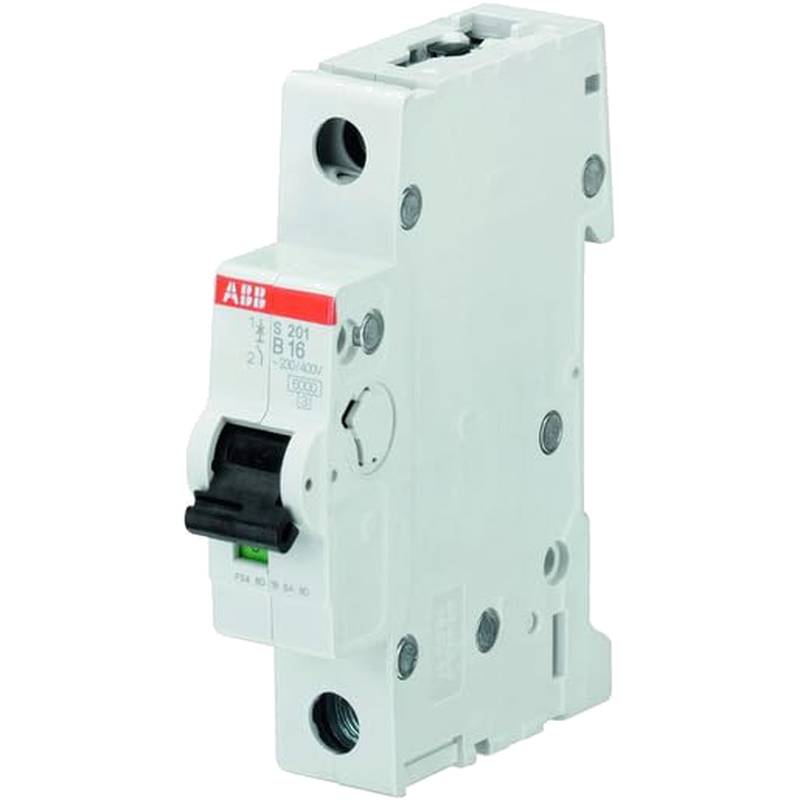
ABB S201-B2 Miniature Circuit Breaker MCB 1P 2A B Curve


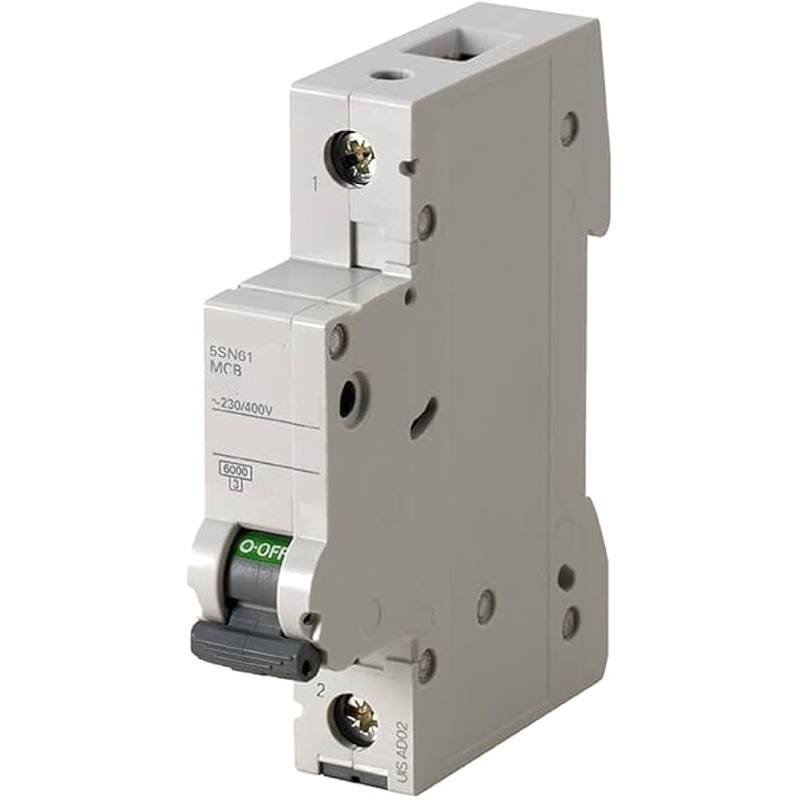
The ABB S201-B2 Miniature Circuit Breaker (MCB) is a highly reliable single-pole, 2-ampere device designed for robust protection in electrical installations. Its key advantage lies in its swift and dependable tripping mechanism, safeguarding circuits against overloads and short circuits, thereby preventing equipment damage and ensuring operational continuity. The B-curve characteristic offers a sensitive yet practical tripping threshold, ideal for sensitive electronic loads and standard residential or commercial applications. With a rated breaking capacity of 6 kA, it provides substantial protection against fault currents. This MCB is engineered for easy installation in standard DIN rail systems, making it a versatile choice for panel builders and electricians.
| Specification | Value |
| :-------------------------------- | :--------------------- |
| Product Type | Miniature Circuit Breaker |
| Manufacturer | ABB |
| Series | S200 |
| Poles | 1P (Single Pole) |
| Rated Current (In) | 2 A |
| Tripping Curve | B |
| Rated Breaking Capacity (Icn) | 6 kA |
| Rated Voltage (Ue) | 230/400 V AC |
| Frequency | 50/60 Hz |
| Mounting Type | DIN Rail |
| Terminal Type | Screw Terminal |
| IP Protection | IP20 |
| Operating Temperature Range | -25 to +55 °C |
| Electrical Endurance | 20,000 cycles |
| Mechanical Endurance | 20,000 cycles |
The ABB S201-B2 stands out in the market due to its impeccable build quality and the trusted ABB brand reputation for electrical safety and performance. Its B-curve tripping characteristic provides an optimal balance for a wide array of applications, offering quicker response for lower overcurrents compared to C-curve breakers, which is crucial for protecting sensitive electronic equipment from minor but sustained overloads. This differentiates it from breakers with less sensitive curves, making it a preferred component where precise protection is paramount. The 6 kA breaking capacity ensures it can safely interrupt fault currents in typical final circuit applications, a critical parameter for system integrity.
This 1P 2A MCB finds its primary application in protecting individual circuits within residential, commercial, and light industrial settings. It is exceptionally well-suited for safeguarding sensitive electronic devices such as power supplies, control circuits, lighting circuits, and low-power appliances where precise overload detection is necessary. The B-curve's rapid response makes it an excellent choice for preventing damage from gradual overloads or small short circuits, ensuring the longevity of connected equipment. Its compact design and single-pole configuration also make it ideal for space-constrained electrical panels.
Seamless integration of the ABB S201-B2 into electrical systems is achieved through its standard DIN rail mounting. Installation involves securing the MCB onto a 35mm top-hat DIN rail within a distribution board or enclosure. Wiring is straightforward: the incoming line conductor connects to the upper terminal, and the outgoing load conductor connects to the lower terminal. Ensure proper torque is applied to the screw terminals as per ABB's guidelines to guarantee a secure electrical connection and prevent overheating. The breaker is designed for use with appropriate conductor sizes, typically ranging from 1.5 mm² to 4 mm² for its rated current.
Operating the ABB S201-B2 Miniature Circuit Breaker involves the simple mechanism of its toggle lever. Upward position indicates the circuit is ON, while the downward position signifies it is OFF or tripped. In the event of a fault (overload or short circuit), the breaker will automatically trip to the OFF position, indicated by the lever's position. To reset, ensure the fault condition is cleared, then manually move the lever fully to the OFF position and then back up to the ON position. Never force the lever if it does not reset, as this typically indicates an unresolved fault. Crucially, always de-energize the circuit before attempting any inspection or maintenance to prevent electrical shock hazards.
The S200 series, to which the S201-B2 belongs, offers inherent compatibility with a wide range of ABB's complementary products, facilitating easy expansion and integration within larger electrical systems. While not directly an IIoT device, its integration into smart electrical panels or systems equipped with monitoring modules allows for remote status indication and data logging. This enables proactive maintenance and energy management strategies, contributing to the long-term value of the electrical infrastructure by providing insights into circuit health and performance. The robust construction ensures a long service life, minimizing replacement needs.
*
FAQs
What is the primary function of the ABB S201-B2 MCB?
This device serves as a crucial safety component in electrical systems. It automatically interrupts the flow of electricity when it detects an overload or a short circuit. This prevents damage to wiring and connected appliances.
This protection is vital for preventing electrical fires and ensuring user safety. The MCB acts as a first line of defense against electrical faults. It offers reliable circuit interruption.
The specific B-curve tripping characteristic makes it suitable for circuits with sensitive loads. It reacts swiftly to minor, persistent overcurrents. This minimizes downtime and equipment degradation.
What does "1P 2A B Curve" signify for the ABB S201-B2?
"1P" denotes that this is a single-pole breaker, meaning it controls one live conductor. "2A" is its rated current, the maximum continuous current it can safely handle. This rating is essential for proper circuit sizing.
The "B Curve" specifies its tripping behavior for overcurrents. It trips between 3 to 5 times its rated current, making it ideal for resistive loads or sensitive electronics. This contrasts with other curves like C or D.
This combination ensures targeted protection for specific circuit types. It balances sensitivity for fault detection with preventing nuisance tripping from normal operating conditions. It is a common choice for lighting and socket outlets.
Can the ABB S201-B2 be used in domestic or industrial applications?
Yes, the ABB S201-B2 is versatile and suitable for both domestic and light industrial environments. Its design caters to standard electrical installations found in homes and small businesses. It protects lighting and socket circuits.
In industrial settings, it is typically employed for protecting low-power control circuits or sensitive electronic equipment. Its 6 kA breaking capacity is sufficient for many final circuit applications. It ensures safety and operational reliability.
The B-curve characteristic makes it particularly well-suited for applications where sensitive electronic devices are prevalent. It offers dependable protection against common overcurrent scenarios in diverse settings. It is a widely recognized safety standard.
What is the rated breaking capacity (Icn) of the ABB S201-B2?
The ABB S201-B2 has a rated breaking capacity of 6 kA. This is the maximum fault current it can safely interrupt at its rated voltage without sustaining damage. It is a critical safety parameter.
A 6 kA rating is generally sufficient for protecting final circuits in most residential and commercial installations. It ensures that the MCB can handle typical short-circuit events. This prevents cascading failures in the electrical system.
This breaking capacity ensures that the MCB performs its protective function reliably. It limits the let-through energy during a fault, safeguarding downstream components and reducing arc flash hazards. It provides robust fault current management.
How do I properly install the ABB S201-B2 MCB?
Installation requires mounting the MCB onto a standard 35mm DIN rail within a suitable electrical enclosure. Ensure the enclosure provides adequate ventilation. Always work with de-energized circuits.
Connect the incoming live conductor to the upper terminal of the MCB. Connect the outgoing load conductor to the lower terminal. Use appropriately sized conductors for the 2A rating and ensure screw terminals are tightened to the manufacturer's recommended torque.
Before energizing, double-check all connections for security and correct polarity. After installation, test the MCB's tripping function by actuating the lever. Verify it trips correctly when switched off.
What are the main advantages of using a B-Curve MCB like the S201-B2?
B-curve MCBs are characterized by their sensitivity to overcurrents. They trip when the current reaches 3 to 5 times the rated current. This makes them ideal for protecting circuits with low inrush currents.
This sensitivity is beneficial for safeguarding sensitive electronic equipment. It provides faster protection against minor but sustained overloads. This helps prevent damage and ensures equipment longevity.
Compared to C or D curves, B-curve breakers offer quicker response for lower fault levels. This makes them a preferred choice for lighting circuits, socket outlets, and control circuits in residential and commercial settings. They strike a good balance.
What does the IP20 rating mean for this circuit breaker?
The IP20 rating indicates the degree of protection against solid objects and ingress of water. "2" signifies protection against solid objects larger than 12.5 mm, such as fingers. It offers basic protection against accidental contact.
"0" means there is no specific protection against water ingress. Therefore, the ABB S201-B2 must be installed in an environment protected from moisture and water. It is suitable for dry indoor applications.
This rating is standard for most indoor electrical enclosures and distribution boards. It assures that the device is protected from direct contact by users. It is important to consider the installation environment.
What is the electrical and mechanical endurance of the ABB S201-B2?
The ABB S201-B2 is rated for 20,000 electrical endurance cycles. This means it can reliably switch circuits on and off for at least 20,000 operations under load. It signifies long-term operational capability.
Furthermore, it boasts 20,000 mechanical endurance cycles. This refers to its ability to withstand repeated manual operation of the toggle lever. It ensures durability even with frequent switching.
These endurance ratings highlight the robust construction and reliability of the ABB S201-B2. They indicate a long service life, reducing the need for frequent replacements and ensuring consistent protection over time. This translates to lower maintenance costs.
How do I reset the ABB S201-B2 after it trips?
To reset the ABB S201-B2 after it trips due to an overload or short circuit, first identify and rectify the cause of the fault. Ensure the electrical load is within the breaker's capacity. Never attempt to reset a breaker without clearing the fault.
Once the fault is resolved, fully push the toggle lever to the OFF (downward) position. Then, move the lever upwards to the ON position to restore power to the circuit. The breaker should now remain in the ON position.
If the breaker trips again immediately after resetting, it indicates a persistent fault condition that requires further investigation by a qualified electrician. Do not force the lever if it feels stuck or does not move freely.
What are the operating temperature limits for the ABB S201-B2?
The ABB S201-B2 is designed to operate reliably within an ambient temperature range of -25 °C to +55 °C. Adhering to these limits is crucial for maintaining its performance and safety. Temperature affects electrical component efficiency.
Operating the breaker outside this specified range can lead to reduced performance or premature failure. Extreme cold can affect mechanical components, while extreme heat can impact its tripping characteristics and insulation. Proper ventilation is key.
Ensure the installation environment falls within these limits to guarantee the MCB's protective functions are consistently effective. Consider local climate conditions and enclosure placement. This ensures optimal circuit protection.