











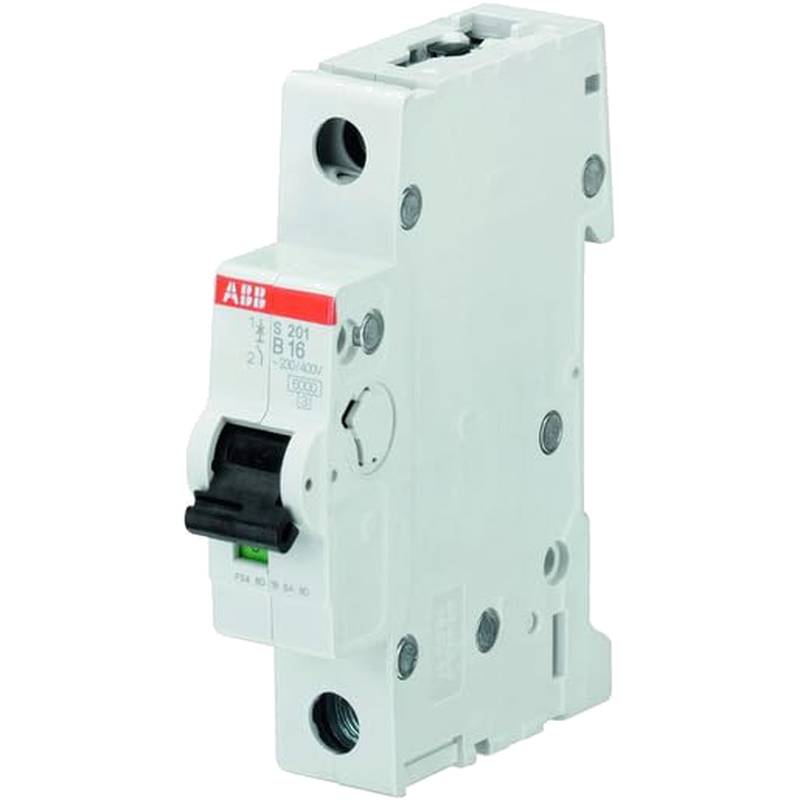
ABB S201M-C25 High Capacity MCB 25A 1P C Curve


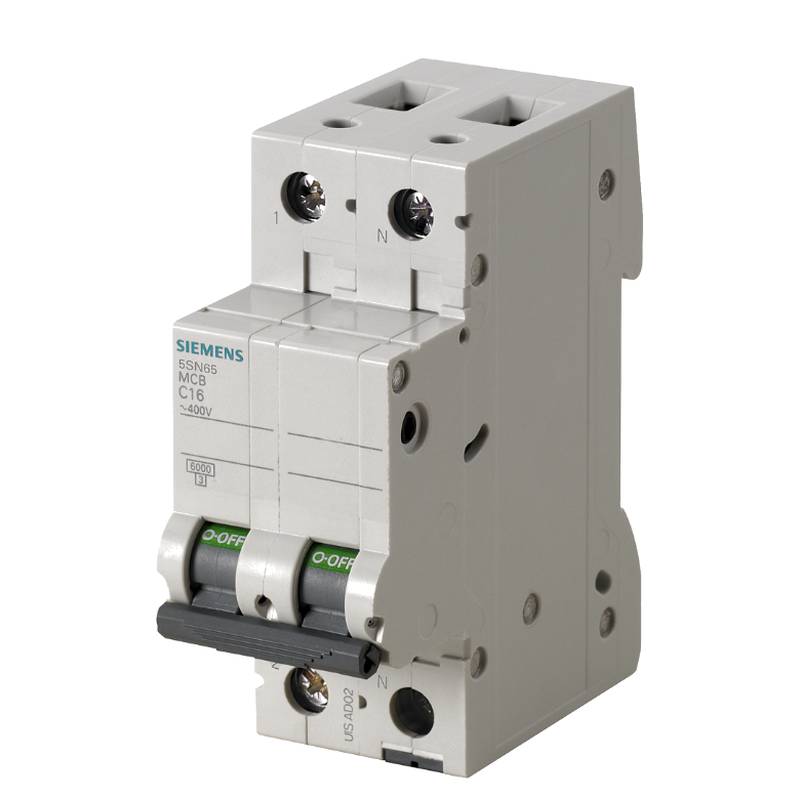
The ABB S201M-C25 is a high-capacity Miniature Circuit Breaker (MCB) designed for robust overcurrent protection in single-phase electrical systems. This 1-pole device features a C-curve tripping characteristic, making it ideal for applications with moderate inrush currents, such as lighting circuits, motors, and solenoid valves. Its key advantages include a high breaking capacity, ensuring safety during fault conditions, and compliance with international standards, guaranteeing reliability and interoperability. With a rated current of 25A and a rated voltage of 230/400V AC, the S201M-C25 offers dependable circuit protection for a wide range of industrial and commercial installations.
| Parameter | Specification |
| :------------------------ | :------------------------------------------ |
| Product Type | Miniature Circuit Breaker (MCB) |
| Manufacturer | ABB |
| Series | S200M |
| Model Number | S201M-C25 |
| Number of Poles | 1P |
| Rated Current (In) | 25A |
| Tripping Characteristic | C Curve |
| Rated Voltage (Ue) | 230/400V AC |
| Breaking Capacity (Icn) | 6 kA (EN/IEC 60898-1) |
| Frequency | 50/60 Hz |
| Termination Type | Screw Terminal |
| Mounting Type | DIN Rail |
| Operating Temperature | -25 °C to +45 °C |
| Protection Class | IP20 |
| Compliance | EN/IEC 60898-1, EN/IEC 60947-2 |
Core Features & Market Positioning
The ABB S201M-C25 stands out in the competitive MCB market due to its robust construction and high breaking capacity of 6kA, providing superior protection against short circuits compared to standard MCBs. This makes it a preferred choice for industrial environments where electrical faults can be more severe. Its C-curve characteristic is specifically engineered to tolerate moderate inductive loads and inrush currents, a crucial differentiator for applications involving motors or lighting systems with ballasts, preventing nuisance tripping and ensuring operational continuity. ABB's reputation for quality and reliability further solidifies the S201M-C25's market position as a dependable solution for critical power distribution.
Key Application Scenarios
The versatility of the ABB S201M-C25 makes it suitable for a diverse range of applications within industrial settings. It is extensively used for protecting power circuits in manufacturing plants, safeguarding machinery such as pumps, fans, and conveyor systems that exhibit moderate starting currents. In commercial buildings, it provides reliable protection for lighting circuits, HVAC systems, and auxiliary power distribution boards, where consistent operation is paramount. Furthermore, its suitability for circuits with moderate inductive loads extends its application to control panels and automation systems, ensuring the stable operation of solenoid valves and control devices.
Practical System Integration Guidance
Integrating the ABB S201M-C25 into existing electrical systems is straightforward, thanks to its standard DIN rail mounting and clearly marked terminals. For installation, ensure the power supply is completely de-energized. The line conductor should be connected to the top terminal and the load to the bottom terminal, following the wiring diagram typically provided with the product or available in the manual. The MCB's screw terminals accept appropriate wire sizes, typically up to 16mm², ensuring a secure and reliable electrical connection. It is crucial to verify that the incoming voltage and frequency match the device's specifications (230/400V AC, 50/60 Hz) before energizing the circuit.
Operation and Risk Mitigation
The S201M-C25 operates automatically to disconnect power when an overcurrent or short circuit condition is detected, indicated by the lever position changing to 'OFF'. To reset the breaker after a fault, first identify and rectify the cause of the overload or short circuit. Then, move the lever firmly to the 'ON' position. Common troubleshooting involves checking for loose connections, damaged wiring, or overloaded circuits. While this MCB offers robust protection, improper installation or exceeding its rated capacity can lead to device failure or fire hazards. Always adhere to local electrical codes and consult a qualified electrician for complex installations or troubleshooting.
Scalability & Long-Term Value
The S201M-C25, as part of ABB's extensive S200M series, offers significant scalability and long-term value within electrical infrastructure. Its compatibility with other ABB S200 series devices and modular accessories allows for easy expansion of electrical panels and integration of additional protection or monitoring functions as system requirements evolve. This interoperability ensures that investments in ABB products remain relevant and adaptable to future upgrades, including potential integration with smart grid technologies or building management systems that leverage digital communication protocols, enhancing overall system efficiency and control.
Frequently Asked Questions
What is the breaking capacity of the ABB S201M-C25?
The ABB S201M-C25 boasts a breaking capacity of 6 kA. This rating signifies its ability to safely interrupt fault currents up to 6,000 amperes without sustaining damage. It ensures reliable protection against severe short-circuit events, a critical factor in industrial environments.
This high breaking capacity is a key differentiator, offering enhanced safety over lower-rated MCBs. It provides peace of mind for installations where fault levels might be significant.
Therefore, for applications requiring robust protection against substantial fault currents, the S201M-C25 is a highly suitable choice. Its performance meets stringent international safety standards.
What does the "C" curve mean for the ABB S201M-C25?
The "C" curve in the S201M-C25 refers to its tripping characteristic, designed for moderate inrush currents. It allows for a higher surge of current for a brief period before tripping.
This characteristic makes it ideal for inductive loads like motors and lighting systems with ballasts. It prevents nuisance tripping during normal start-up sequences.
Standard "B" curves trip at 3-5 times the rated current, while "C" curves trip at 5-10 times, offering better tolerance for these loads.
Can the ABB S201M-C25 be used for DC circuits?
No, the ABB S201M-C25 is specifically designed and rated for AC (Alternating Current) circuits. Using it in DC (Direct Current) applications can lead to unpredictable behavior and failure.
DC circuits have different arc quenching requirements compared to AC circuits. MCBs designed for AC are not equipped to safely extinguish the sustained arc produced in DC fault conditions.
Always refer to the product specifications and ensure the MCB is rated for the type of current (AC or DC) and voltage of your system.
What is the maximum voltage rating for the ABB S201M-C25?
The ABB S201M-C25 has a rated voltage (Ue) of 230/400V AC. This dual rating indicates its suitability for both single-phase (230V) and three-phase (400V, when used across two phases or with appropriate configurations) power systems.
It is important to ensure that the nominal voltage of your electrical installation does not exceed this specified rating. Operating outside these parameters compromises safety and performance.
For higher voltage applications, different types of circuit breakers, such as those from ABB's industrial or power distribution ranges, would be required.
How do I install the ABB S201M-C25?
Installation requires ensuring the main power supply is OFF before proceeding. Mount the S201M-C25 securely onto a standard 35mm DIN rail within a suitable enclosure.
Connect the incoming power supply cable to the top terminal and the outgoing load cable to the bottom terminal. Ensure correct polarity for AC circuits.
Tighten the terminal screws firmly with appropriate torque to ensure a reliable electrical connection and prevent overheating. Always consult local electrical codes for compliance.
What are common troubleshooting steps for the ABB S201M-C25 tripping?
First, determine if the tripping is due to an overload or a short circuit by observing the lever position and the nature of the fault. Rectify the underlying issue before attempting to reset the breaker.
Check for loose wiring connections at the MCB terminals or within the connected equipment, as these can cause intermittent faults and tripping. Ensure all connections are clean and secure.
If the issue persists after addressing apparent problems, it may indicate an internal fault within the S201M-C25 itself or a more complex system issue requiring professional diagnosis.
Is the ABB S201M-C25 compatible with other ABB S200 series devices?
Yes, the S201M-C25 is fully compatible with other devices within the ABB S200 series. This modularity allows for seamless integration into multi-pole configurations or combined with RCDs (Residual Current Devices) and RCBOs (Residual Current Breakers with Overcurrent Protection).
ABB's S200 series is designed for interoperability, ensuring that different modules can be easily coupled together on a standard DIN rail. This is crucial for building flexible and customized distribution boards.
This compatibility extends to various accessories, such as auxiliary contacts and handle locks, facilitating enhanced control, monitoring, and safety features within the electrical panel.
What is the operating temperature range for this MCB?
The ABB S201M-C25 is designed to operate within an ambient temperature range of -25°C to +45°C. Adhering to this range ensures reliable performance and longevity of the device.
Operating the MCB outside this specified temperature range can affect its tripping characteristics and potentially lead to premature failure. Extreme cold can make mechanical parts brittle, while excessive heat can impact thermal trip elements.
For installations in environments with extreme temperatures, it is advisable to consult ABB's technical documentation or seek expert advice on appropriate thermal management solutions.
What wiring size is appropriate for the ABB S201M-C25 terminals?
The screw terminals on the ABB S201M-C25 typically accommodate solid and stranded copper conductors ranging from 1.5mm² to 16mm². Always refer to the specific product datasheet for the exact range.
Using conductors within this specified range ensures a secure and safe connection, minimizing the risk of overheating or loose connections. Proper conductor sizing is crucial for preventing voltage drop and ensuring efficient power delivery.
It is essential to use appropriately stripped and terminated conductors when inserting them into the terminals. Over-tightening or under-tightening the screws can compromise the connection integrity.
How does the S201M-C25 protect against overcurrent?
The S201M-C25 utilizes both thermal and magnetic tripping mechanisms to protect against overcurrent. The thermal element, typically a bimetallic strip, responds to sustained overloads by bending and triggering the trip.
The magnetic element provides instantaneous tripping for high short-circuit currents. This dual-action protection ensures that both gradual overloads and sudden, severe faults are effectively interrupted.
When an overcurrent condition is detected, the internal mechanism releases the latch, causing the contacts to open and disconnect the circuit, thereby preventing damage to downstream equipment and mitigating fire risks.