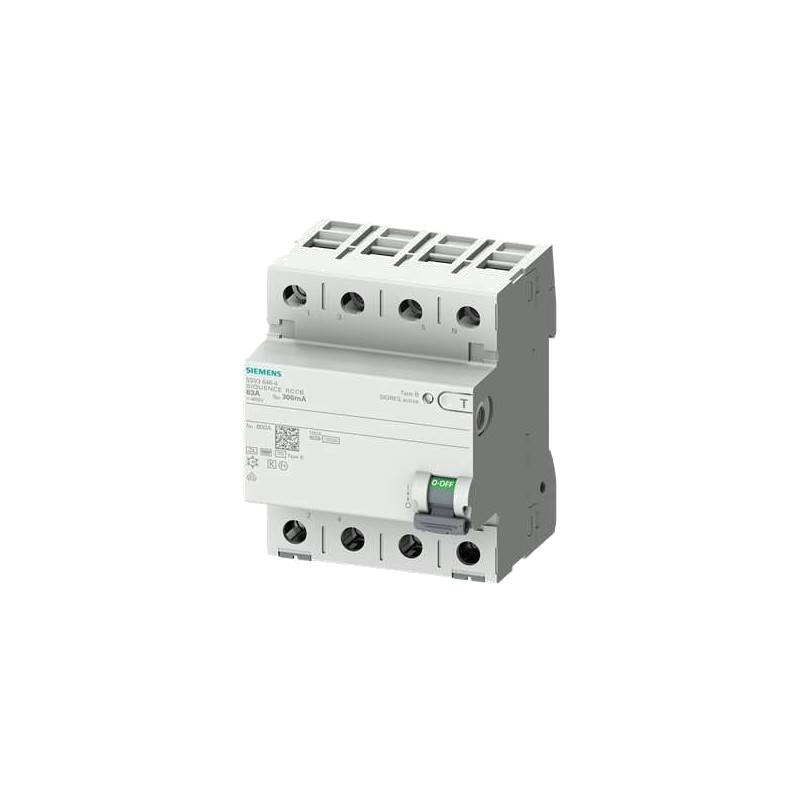
ABB S202M-C40 40A High Performance Unit C Curve


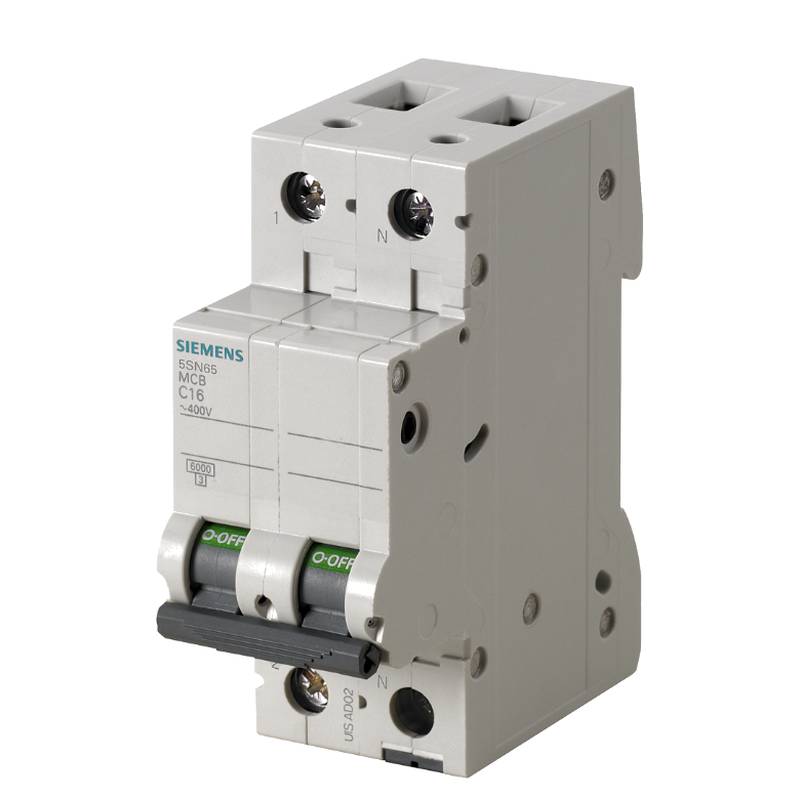
The ABB S202M-C40 is a high-performance miniature circuit breaker (MCB) designed for robust protection in a wide array of industrial and commercial applications. This unit, featuring a C-curve tripping characteristic and a 40A rating, offers superior reliability and rapid fault interruption, crucial for safeguarding sensitive electrical equipment and ensuring operational continuity. Its advanced arc-quenching technology and compact design facilitate efficient panel building and integration into complex electrical systems, making it a preferred choice for engineers and specifiers seeking dependable circuit protection.
Product Specifications
| Feature | Specification |
| :---------------------- | :-------------------- |
| Product Type | Miniature Circuit Breaker (MCB) |
| Series | S200M |
| Poles | 2 |
| Rated Current (In) | 40 A |
| Tripping Curve | C |
| Rated Breaking Capacity | 10 kA |
| Voltage Rating (Ue) | 400V AC |
| Frequency | 50/60 Hz |
| Terminal Type | Screw Terminals |
| Degree of Protection | IP20 |
| Compliance Standards | IEC/EN 60898-1, IEC/EN 60947-2 |
Core Features & Market Positioning
The ABB S200M series, including the S200M-C40, distinguishes itself through its high breaking capacity of 10 kA, providing enhanced safety margins against short-circuit events, particularly in installations where fault currents are a significant concern. The C-curve characteristic is optimized for applications with moderate inductive or capacitive loads, allowing for inrush currents without nuisance tripping, a critical advantage in motor control and lighting circuits. Its robust construction and adherence to stringent international standards, such as IEC/EN 60898-1 and IEC/EN 60947-2, underscore its position as a premium protective device in demanding environments. This unit offers a compelling balance of performance, durability, and safety, setting it apart from standard MCBs in its class.
Key Application Scenarios
The ABB S202M-C40 is extensively deployed in industrial power distribution systems, protecting main and outgoing feeders from overcurrents and short circuits. It is particularly well-suited for environments with high fault levels, such as manufacturing plants, data centers, and commercial buildings with substantial electrical loads. Its C-curve makes it ideal for circuits supplying inductive loads like motors, transformers, and fluorescent lighting, where temporary high inrush currents are expected during startup. Furthermore, its compact 2-pole design conserves valuable space in electrical panels, facilitating efficient layout and installation in both new constructions and retrofitting projects.
Practical System Integration Guidance
Integrating the ABB S202M-C40 into existing electrical systems is straightforward due to its standardized form factor and reliable connection terminals. Installers should ensure that the incoming and outgoing conductors are properly sized for the 40A rating and securely terminated to prevent overheating. For optimal performance and safety, it is crucial to connect line and neutral conductors correctly for 2-pole operation, providing comprehensive protection against overcurrents and enabling isolation. The unit mounts easily onto standard 35mm DIN rails, allowing for quick and secure installation within distribution boards and enclosures.
Operation and Risk Mitigation
The S202M-C40 operates automatically, tripping to the off position when an overcurrent or short circuit exceeding its calibrated limits occurs, thereby interrupting the power flow and protecting downstream equipment from damage. Its primary safety feature is the rapid arc extinction mechanism, which minimizes the duration and intensity of the electrical arc generated during fault interruption, reducing the risk of fire and equipment failure. To mitigate risks, regular inspection of connections and the MCB's physical condition is recommended, particularly in harsh environments. Understanding the C-curve’s behavior with different load types helps prevent nuisance tripping, ensuring system reliability.
Scalability & Long-Term Value
The S200M series MCBs, including the S202M-C40, are designed for compatibility within ABB's broader low-voltage product portfolio, offering flexibility for future system expansions or upgrades. Their robust construction ensures a long operational lifespan, minimizing replacement costs and contributing to the overall long-term value of the electrical installation. While the S202M-C40 is a standalone protective device, its integration into modern smart grids can be facilitated through compatible ancillary devices and ABB's digital solutions, enabling remote monitoring and advanced diagnostics for enhanced operational intelligence.
Frequently Asked Questions
What is the purpose of the C-curve on the ABB S202M-C40?
The C-curve is designed for circuits with moderate inrush currents. This characteristic allows for higher current surges upon startup without tripping. It is ideal for inductive loads like motors and transformers.
This curve type protects against overcurrents and short circuits. It balances protection needs with operational flexibility. Applications include lighting and motor control circuits.
The C-curve ensures that temporary high currents during equipment activation do not cause unnecessary shutdowns. This maintains system stability and user convenience.
How does the 40A rating of the ABB S202M-C40 affect its application?
A 40A rating signifies the maximum continuous current the breaker can handle. It dictates the size of the electrical circuits it can protect. This breaker is suitable for power-hungry equipment.
This rating ensures that the breaker trips reliably at 5 to 10 times its nominal current for short circuits. It prevents damage to wiring and connected devices. Proper conductor sizing is essential.
The 40A capacity makes the S202M-C40 ideal for main distribution points or feeders for substantial loads. It is commonly used in industrial and larger commercial power distribution panels.
What are the main advantages of using an ABB S202M-C40 MCB?
This MCB offers a high breaking capacity of 10 kA. It provides robust protection against severe short-circuit faults. This enhances safety and prevents extensive equipment damage.
The unit features a compact, 2-pole design, saving valuable space in electrical panels. This simplifies installation and allows for denser panel configurations. It ensures reliable circuit interruption.
ABB's reputation for quality and adherence to international standards (IEC/EN) guarantees performance and durability. This makes it a trusted choice for critical applications.
Can the ABB S202M-C40 be used for DC applications?
Typically, miniature circuit breakers like the S202M-C40 are designed and rated for AC (Alternating Current) systems. Using them on DC (Direct Current) circuits can be hazardous. DC arcs are harder to extinguish than AC arcs.
Specific DC rated circuit breakers exist with different arc-quenching mechanisms and higher voltage ratings for DC. Consult the manufacturer's documentation. Always verify the product's intended application.
For DC circuit protection, it is crucial to select a breaker specifically designed for that voltage and current type to ensure safety and reliable operation. Using an AC-rated breaker in a DC system is not recommended.
What is the typical lifespan of an ABB S202M-C40?
The lifespan depends heavily on operating conditions and the number of fault interruptions. ABB products are known for their durability and long operational life under normal conditions. Proper installation is key.
With regular maintenance and avoidance of frequent overcurrent events, these MCBs can last for many years, often exceeding 15-20 years. Their robust construction contributes to this longevity. They are designed for industrial environments.
The mechanical endurance (number of switching operations) and electrical endurance (number of fault interruptions) are key indicators. However, for most standard applications, the physical integrity and reliable tripping mechanisms will last for decades.
How to correctly wire the ABB S202M-C40?
Ensure the circuit is de-energized before installation or wiring. Connect the incoming power source (line and neutral for 2-pole) to the upper terminals. Connect the outgoing load conductors to the lower terminals.
Use appropriate conductor sizes (e.g., for 40A, typically 6mm² or larger stranded copper wire) and ensure they are stripped to the correct length. Securely tighten the screw terminals to the recommended torque to prevent loose connections and overheating.
For 2-pole operation, both line and neutral are switched. This provides complete isolation of the circuit when the breaker is in the off position, enhancing safety. Double-check wiring against diagrams before energizing.
What does a "tripped" ABB S202M-C40 indicate?
A tripped breaker, indicated by the handle being in the "off" or an intermediate position, means an overcurrent or short circuit condition has occurred. This is a protective function, not a failure. It has successfully interrupted power.
Investigate the cause of the trip before resetting the breaker. This could be a temporary surge, an overloaded circuit, or a fault within a connected appliance or wiring. Overloading is the most common cause.
To reset, ensure the fault condition is cleared, then firmly push the handle to the "on" position. If the breaker trips again immediately, there is likely a persistent fault requiring professional inspection and repair.
Are there any specific installation environment considerations for the S202M-C40?
The S202M-C40 has an IP20 degree of protection, meaning it is protected against solid objects larger than 12.5mm and not protected against water. Install it in a suitable enclosure to shield it from dust, moisture, and physical damage.
Avoid installations in extremely high ambient temperatures beyond its operational limits, as this can affect tripping characteristics. Ensure adequate ventilation around the breaker and the enclosure. This maintains performance.
Consider potential exposure to corrosive atmospheres or vibration. While robust, extreme conditions may necessitate additional protective measures or alternative product series for enhanced durability and reliability.
What is the difference between a C-curve and a B-curve MCB from ABB?
A B-curve MCB trips at lower multiples of its rated current, typically 3-5 times. It is suitable for purely resistive loads like lighting and heating circuits in residential settings. It offers higher sensitivity to faults.
A C-curve MCB, like the S202M-C40, trips at higher multiples, 5-10 times the rated current. This makes it better suited for circuits with moderate inductive loads that exhibit higher inrush currents upon startup, such as motors.
The choice between B and C curves depends on the specific load characteristics of the circuit being protected. Incorrect selection can lead to nuisance tripping (C-curve too sensitive) or inadequate protection (B-curve too lenient).
How to reset a tripped ABB S202M-C40?
First, identify and rectify the cause of the overcurrent or short circuit. If the cause is unknown, inspect the connected appliances and wiring for visible damage or issues. Ensure the circuit is not overloaded.
Once the fault condition has been addressed, firmly push the breaker's handle to the fully "ON" position. You may need to move it fully to "OFF" first if it is in an intermediate tripped position before resetting to "ON".
If the breaker trips again immediately after resetting, do not attempt to reset it further. This indicates a persistent fault that requires professional diagnosis and repair by a qualified electrician to ensure safety.