











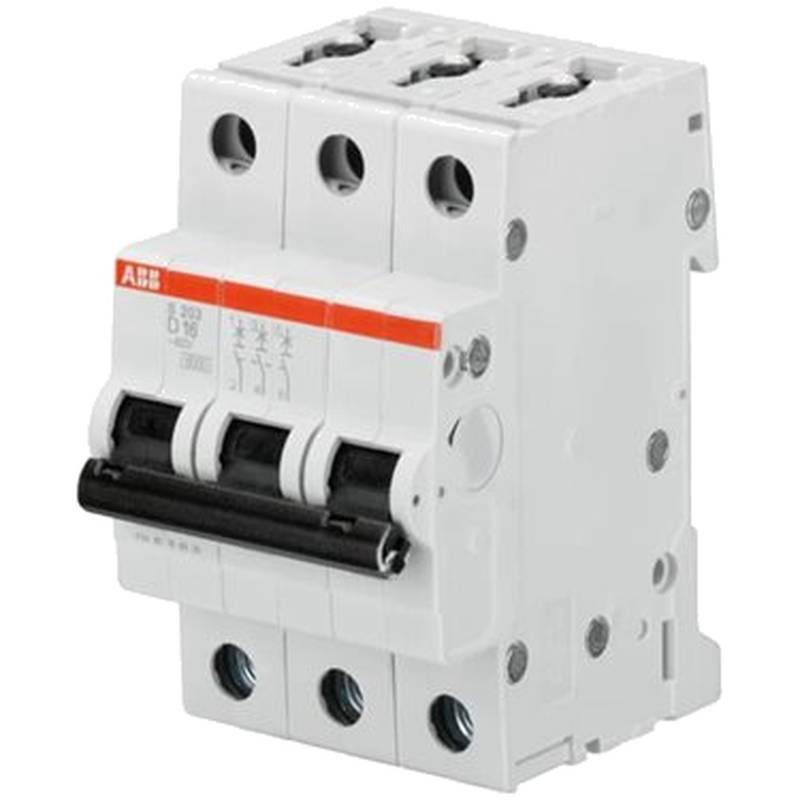
ABB S203-C3 3P Protection Device 3A C Curve


The ABB S203-C1 Triple Pole Circuit Breaker is a robust and reliable overcurrent protection device designed for industrial and commercial applications. Its primary advantages include high breaking capacity, superior tripping performance, and a compact design, making it an ideal choice for protecting electrical installations against short circuits and overloads. Key technical parameters include a rated current of 1A, a C-type tripping characteristic, and a rated voltage of 400V AC. This triple-pole configuration ensures simultaneous disconnection of all three phases, crucial for balanced three-phase systems, offering enhanced safety and operational integrity.
Product Specifications
| Feature | Specification |
| :---------------- | :------------------------------------------- |
| Product Type | Miniature Circuit Breaker (MCB) |
| Manufacturer | ABB |
| Series | S200 |
| Poles | 3 (Triple Pole) |
| Rated Current (In)| 1 A |
| Tripping Curve | C |
| Rated Voltage (Un)| 400V AC |
| Breaking Capacity | 6 kA |
| Frequency | 50/60 Hz |
| Protection Class | IP20 (enclosure), IP40 (with cover) |
| Mounting Type | DIN rail |
| Ambient Temp. | -25 to +55 °C |
| Conductor Size | Up to 10 mm² (rigid), 6 mm² (flexible) |
Core Features & Market Positioning
The ABB S203-C1 distinguishes itself through its precise C-type tripping curve, offering excellent protection for circuits with moderate inrush currents, such as those found in motor control applications. Its high breaking capacity of 6 kA ensures it can safely interrupt fault currents, preventing damage to downstream equipment and mitigating fire hazards. As part of ABB's renowned S200 series, the S203-C1 benefits from decades of innovation in circuit protection technology, positioning it as a dependable and cost-effective solution for a wide range of industrial demands. The device's robust construction and adherence to international standards (IEC/EN 60898-1, IEC/EN 60947-2) underscore its reliability in demanding environments.
Key Application Scenarios
This triple-pole circuit breaker is exceptionally well-suited for protecting three-phase circuits in industrial settings. Common applications include the safeguarding of small three-phase motors, pumps, fans, and other inductive loads that exhibit moderate starting currents, where a C-curve characteristic is optimal. It is also frequently deployed in distribution boards for commercial buildings, control panels, and power distribution units requiring reliable overcurrent protection for balanced loads. Its 1A rating makes it ideal for low-current, critical circuits where precise protection is paramount.
Practical System Integration Guidance
Integrating the ABB S203-C1 into an electrical system is straightforward due to its standard DIN rail mounting. Ensure that the incoming power supply is isolated before commencing any wiring. Connect the three line conductors (L1, L2, L3) to the designated input terminals of the circuit breaker. The outgoing load conductors should then be connected to the corresponding output terminals. Verify that the conductor cross-sectional area is within the specified limits (up to 10 mm² rigid, 6 mm² flexible) and that all connections are securely tightened to prevent overheating and ensure optimal electrical contact. Proper grounding of the connected equipment is also essential.
Operation and Risk Mitigation
The ABB S203-C1 operates automatically, tripping the circuit when an overcurrent or short circuit condition is detected, thereby opening the circuit and interrupting the flow of electricity. This protects the connected equipment and prevents potential hazards like fires. To mitigate risks, always ensure the breaker's rated current and tripping characteristics are appropriate for the load being protected. Regularly inspect terminals for signs of corrosion or loose connections, which can lead to overheating. In case of frequent tripping, investigate the cause of the overcurrent rather than simply resetting the breaker; this could indicate a faulty appliance, wiring issue, or an undersized circuit.
Scalability & Long-Term Value
The S200 series, including the S203-C1, offers excellent compatibility with other ABB components and standard electrical infrastructure, facilitating seamless integration and future system expansion. While the S203-C1 is a fixed-rated device, scalability in protection schemes is achieved by incorporating additional S200 series breakers with appropriate ratings and characteristics for other circuits. ABB's commitment to producing durable and reliable components ensures long-term value, reducing the need for premature replacements. Furthermore, integration within broader ABB automation and control systems can enhance monitoring and diagnostics capabilities, supporting smart grid and IIoT initiatives.
FAQs
What is the breaking capacity of the ABB S203-C1 Triple Pole Circuit Breaker?
The ABB S203-C1 boasts a breaking capacity of 6 kA. This is a critical safety feature. It signifies the maximum fault current it can safely interrupt. This capacity is vital for industrial settings.
The 6 kA rating ensures protection against severe short circuits. It prevents catastrophic failures and potential fires. This makes it suitable for demanding applications.
This specification adheres to international standards like IEC/EN 60898-1. It guarantees reliable fault interruption performance. Users can trust its protective capabilities.
What does the "C" in S203-C1 refer to regarding its tripping characteristic?
The "C" denotes a C-type tripping curve. This curve is designed for inductive loads. It allows for higher inrush currents than a B-type breaker.
Circuits with motors or transformers often experience temporary high currents at startup. The C-curve accommodates these without nuisance tripping. It optimizes protection for such equipment.
This characteristic provides a balance between sensitivity to faults and tolerance for normal inrush. It is ideal for general-purpose industrial and commercial use.
What is the maximum conductor size that can be connected to the ABB S203-C1?
This breaker accepts rigid conductors up to 10 mm². For flexible conductors, the maximum size is 6 mm². Proper conductor sizing is crucial for safety.
Using conductors within these limits ensures reliable electrical connections. It also prevents overheating. Overheating can damage the breaker and surrounding insulation.
Always ensure the selected conductor gauge matches the load requirements. Adhering to these specifications is vital for correct installation.
Can the ABB S203-C1 be used for DC applications?
The ABB S203-C1 is designed for AC (Alternating Current) applications. It is not rated for DC (Direct Current) circuits. Using it in DC systems can lead to improper operation.
DC circuits have different arc quenching requirements than AC circuits. Standard AC MCBs may not safely interrupt DC fault currents. This can result in device failure or hazards.
For DC applications, specific DC-rated circuit breakers must be selected. Always consult the product documentation for intended use.
How does the triple-pole configuration benefit three-phase systems?
A triple-pole breaker simultaneously disconnects all three phases (L1, L2, L3). This ensures complete isolation of the load. It is essential for balanced three-phase circuits.
This simultaneous disconnection prevents phase imbalance. It protects sensitive three-phase equipment from damage. It also enhances safety during maintenance.
The triple-pole design ensures that if a fault occurs on one phase, all phases are interrupted. This is a critical safety and operational requirement.
What is the rated current of the ABB S203-C1, and what does it signify?
The rated current (In) for the S203-C1 is 1 Ampere (1A). This is the maximum continuous current the breaker can carry without tripping. It defines the lower limit for overcurrent protection.
A 1A rating is suitable for low-power circuits. Examples include control circuits or specific instrumentation. It provides precise protection for such loads.
Selecting the correct rated current is vital for effective overcurrent protection. It must be appropriately sized for the connected load's continuous operating current.
What are the typical operating temperatures for the ABB S203-C1?
The operating ambient temperature range for the S203-C1 is from -25°C to +55°C. Performance can be affected outside this range. Extreme temperatures can impact tripping characteristics.
Adhering to this temperature range ensures reliable operation. It maintains the breaker's protective integrity. Proper ventilation is key in enclosed spaces.
Consider derating the breaker if operating consistently at the upper temperature limit. This ensures long-term reliability and safety.
Is the ABB S203-C1 compatible with other circuit protection devices?
The S203-C1 is part of ABB's S200 series, designed for broad compatibility. It integrates well with other ABB MCBs, RCDs, and associated accessories. It fits standard DIN mounting rails.
Its design adheres to international standards, ensuring interoperability with components from other reputable manufacturers. This allows for flexible system design. It can be part of a larger protection scheme.
When designing a system, always verify specific compatibility for any ancillary devices. This ensures the entire protection system functions as intended.
What is the IP rating of the ABB S203-C1 Triple Pole Circuit Breaker?
The enclosure protection rating (IP rating) for the S203-C1 is IP20. This means it is protected against solid objects larger than 12.5mm. It offers basic protection against accidental contact.
When fitted with an appropriate cover or installed within a suitable enclosure, the ingress protection can be enhanced to IP40. This offers greater protection against dust and other contaminants.
The IP rating is important for determining suitability for different environmental conditions. Always install the breaker in an appropriate enclosure for the surrounding environment.
How can I ensure safe installation of the ABB S203-C1?
Always de-energize the circuit before installation. Ensure all connections are tight using appropriate torque settings. Verify the breaker's rating matches the circuit's requirements.
Use the correct wire gauge for the terminals. Consult the technical specifications for maximum conductor sizes. Proper wiring prevents overheating and ensures reliable connections.
Grounding is also a critical safety aspect. Ensure the equipment connected to the breaker is properly grounded. Always follow local electrical codes and regulations.