











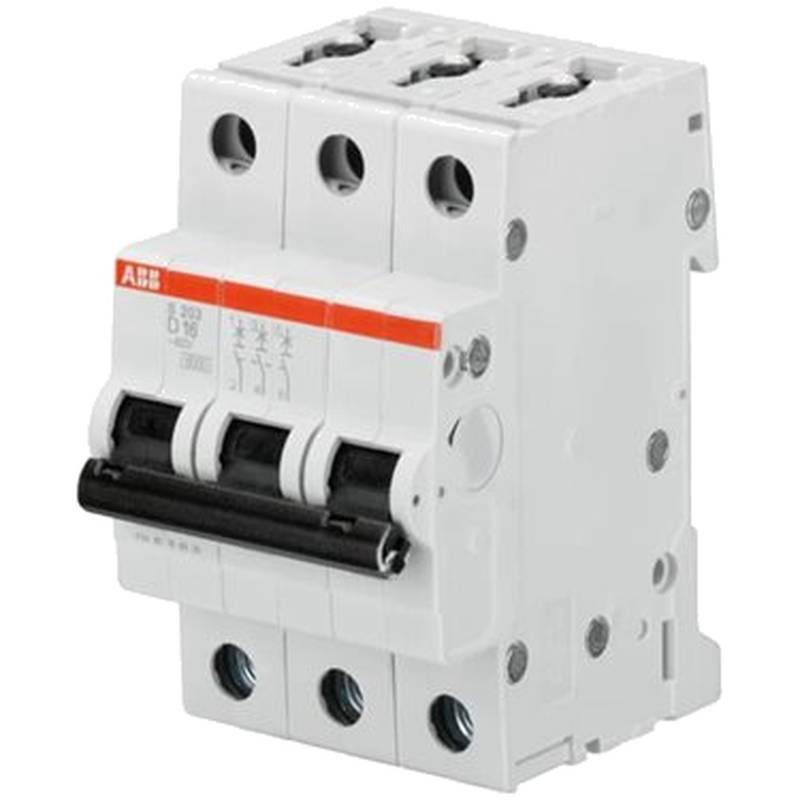
ABB S203-C20 20A C Curve Protection Device 3 Pole


The ABB S203-C20 is a robust 3-pole protection device designed for reliable circuit interruption and overload protection in industrial and commercial electrical systems. This device boasts a C-curve tripping characteristic, making it ideal for applications with moderate inrush currents, such as lighting systems, motor loads, and control circuits. Its key advantages lie in its compact design, high breaking capacity, and superior contact reliability, ensuring operational safety and system uptime.
| Specification | Value |
| :------------------------ | :-------------------------- |
| Product Series | S200 |
| Number of Poles | 3 |
| Rated Current (In) | 20 A |
| Tripping Characteristic | C |
| Rated Voltage (Ue) | 400V AC |
| Breaking Capacity (Icn) | 6 kA |
| Frequency | 50/60 Hz |
| IP Protection | IP20 |
| Ambient Temperature Range | -25 to +45 °C |
| Terminal Type | Screw Terminals |
| Mounting Type | DIN Rail (35 mm) |
Core Features & Market Positioning
The ABB S203-C20 stands out due to its exceptional quality and adherence to stringent international standards, positioning it as a premium choice for discerning engineers and system integrators. Its C-curve tripping behavior offers a balanced protection profile, selectively tripping on sustained overloads while tolerating brief, high-magnitude surges common in inductive loads. This precise tripping mechanism minimizes nuisance tripping, thereby enhancing equipment longevity and reducing unnecessary downtime. The robust construction and high dielectric strength ensure safety and dependable performance even in demanding environments. Its market positioning is firmly rooted in ABB's global reputation for reliability, innovation, and comprehensive electrical distribution solutions, making it a trusted component in critical infrastructure.
Key Application Scenarios
This 3-pole, 20A protection device is exceptionally versatile, finding primary application in three-phase electrical distribution systems. It is extensively used for protecting power circuits supplying motors, pumps, compressors, and other industrial machinery where moderate inductive loads are present. The C-curve characteristic makes it particularly suitable for protecting lighting circuits and control panels that may experience temporary inrush currents during startup or switching. Furthermore, the S203-C20 is a standard component in commercial building distribution boards, ensuring the safety of general power outlets and equipment that draw significant, yet predictable, current. Its three-pole configuration is essential for complete isolation and protection of three-phase loads, safeguarding against phase-to-phase and phase-to-ground faults.
Practical System Integration Guidance
Integrating the ABB S203-C20 into existing electrical panels is straightforward due to its standard 35mm DIN rail mounting and compact footprint. For wiring, ensure the incoming power supply is connected to the upper terminals and the outgoing protected circuit to the lower terminals, strictly adhering to the phase sequence for three-phase systems. Each pole must be connected to a separate phase conductor. The recommended wire size for the 20A rating is typically between 2.5mm² and 4mm² copper conductors, with appropriate termination using ring or fork terminals for secure connections. Ensure all connections are torqued to the manufacturer's specifications to prevent overheating and ensure reliable contact. Before energizing, a thorough visual inspection and continuity test are paramount.
Operation and Risk Mitigation
The primary function of the ABB S203-C20 is to protect electrical circuits from overcurrents caused by overloads or short circuits. An overload occurs when a circuit draws more current than it is designed for over an extended period, leading to overheating. A short circuit is a sudden, high-magnitude current flow due to a low-resistance path. The device utilizes a thermal element for overload detection and an electromagnetic element for short-circuit detection. In case of a fault, the device automatically trips, interrupting the power flow to prevent damage to downstream equipment and mitigate fire hazards. Common troubleshooting involves identifying the cause of the overcurrent; if it's a persistent issue, further investigation into the connected load is necessary. Ensure the device is rated for the specific application's voltage and current requirements and is installed by qualified personnel to prevent electrical shock or equipment damage.
Scalability & Long-Term Value
The ABB S203-C20 leverages ABB's extensive S200 series, offering excellent compatibility with other devices within the same range, such as residual current devices (RCDs) and surge protection devices (SPDs). This inherent compatibility facilitates easy expansion and modular system design, allowing for future upgrades or the addition of enhanced protection layers without requiring complete panel redesign. Its robust construction and adherence to global quality standards ensure a long operational lifespan, minimizing the need for frequent replacements and contributing to lower total cost of ownership. While not directly an IIoT device, its reliable operation in a distribution system forms a foundational element for smart building and industrial automation systems, providing the essential protection that enables the seamless integration and monitoring of connected assets.
Frequently Asked Questions
What is the C curve in the ABB S203-C20?
The C curve indicates the device's tripping sensitivity to inrush currents. It's designed to tolerate moderate surges. This makes it suitable for inductive loads.
The C curve prevents nuisance tripping from temporary surges. It offers a good balance for various applications. This ensures reliable circuit protection.
This characteristic is crucial for equipment like motors or lighting. It allows for startup current without tripping.
What type of loads is the ABB S203-C20 suitable for?
This device is ideal for protecting circuits with moderate inrush currents. Think of motors and lighting systems.
It's commonly used in industrial and commercial applications. Applications include pumps, compressors, and control panels.
The 3-pole configuration ensures complete protection for three-phase loads. This is vital for balanced power distribution.
How do I wire the ABB S203-C20 protection device?
Connect the incoming power to the upper terminals. Route the protected circuit from the lower terminals. Ensure correct phase sequence.
Use appropriate wire sizes, typically 2.5-4mm² copper. Torque connections to manufacturer specifications. This ensures safety and reliability.
This is a 3-pole device, so connect each pole to a separate phase conductor. Proper termination is key to preventing faults.
What is the breaking capacity of the ABB S203-C20?
The breaking capacity (Icn) is 6 kA. This signifies its ability to safely interrupt short-circuit currents.
A 6 kA rating is sufficient for many residential and commercial installations. It provides protection against severe faults.
This breaking capacity ensures safety during high fault conditions. It prevents damage to the device and connected equipment.
Can the ABB S203-C20 be used in single-phase applications?
While it's a 3-pole device, it can be used for single-phase applications by utilizing only one or two poles. However, this is not its primary design.
Using it for single-phase requires careful wiring to ensure proper insulation and protection. It's generally more cost-effective to use a 1 or 2-pole breaker.
For single-phase, ensure unused poles are safely isolated. It's designed for comprehensive 3-phase load protection.
What is the voltage rating for the ABB S203-C20?
The rated voltage (Ue) for this device is 400V AC. It is designed for standard industrial and commercial power grids.
This voltage rating ensures safe operation within typical European and international power supply systems. Always verify your system voltage matches this rating.
The device is built to withstand voltage fluctuations within its specified limits. It provides reliable protection at 400V AC.
How does the C curve differ from B or D curves?
A B curve trips between 3-5 times the rated current, suitable for resistive loads. D curves trip between 10-20 times, for high inrush loads like large motors.
The C curve trips between 5-10 times the rated current. This offers a compromise between B and D curves. It handles moderate inductive or capacitive loads well.
Choosing the correct curve (B, C, or D) is vital for optimal protection and preventing nuisance tripping. The S203-C20's C curve is common for general-purpose circuits.
What are the dimensions and mounting requirements?
The ABB S203-C20 mounts on a standard 35mm DIN rail. Its compact size simplifies panel layout.
It has a width of 3 modules (approximately 52.5mm). Ensure adequate clearance for ventilation.
The device is designed for easy snap-on installation. This speeds up electrical panel assembly significantly.
Is this device suitable for DC applications?
No, the ABB S203-C20 is designed exclusively for AC (Alternating Current) applications. Its tripping mechanisms are calibrated for AC characteristics.
Using this device on a DC circuit could lead to improper operation or failure. DC circuits have different arc quenching requirements.
Always use devices specifically rated and designed for DC circuits if your application requires it. This ensures safety and proper protection.
What is the typical lifespan of the ABB S203-C20?
The lifespan depends on operating conditions and fault frequency. However, ABB devices are known for durability and long service life.
With proper installation and within rated parameters, these breakers can last for many years, often exceeding 20 years. Regular checks are recommended.
Their robust construction and high-quality components ensure reliable performance over time. This minimizes replacement costs and downtime.