











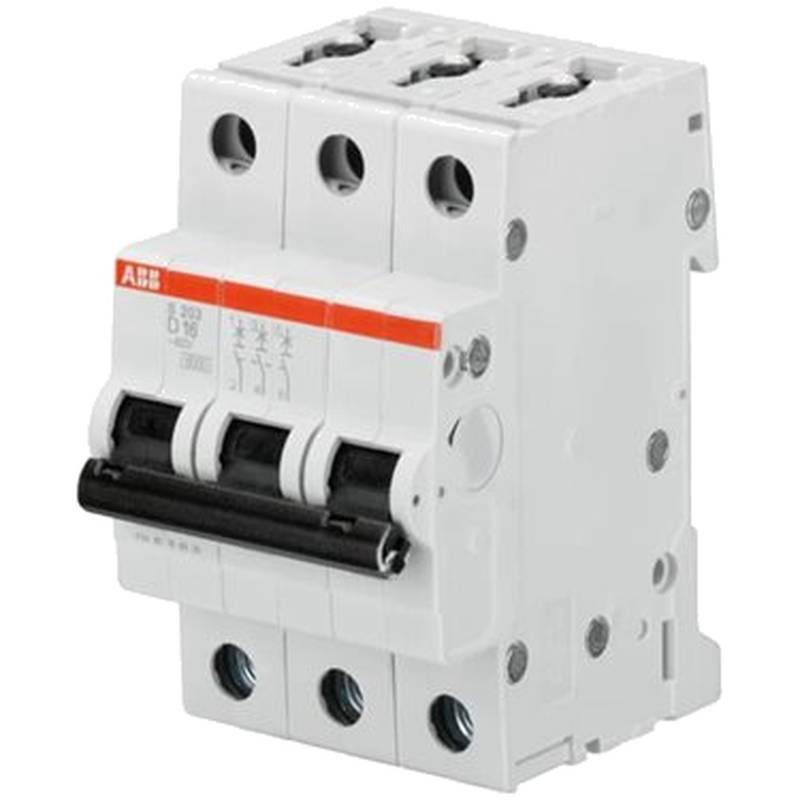
ABB S203-D20 20A D Curve Triple Pole Breaker


The ABB S203-D20 is a robust 20A, three-pole miniature circuit breaker engineered for demanding industrial applications, offering superior protection against overcurrents and short circuits. Its D-curve characteristic makes it ideal for circuits with high inrush currents, such as those powering motors, transformers, and fluorescent lighting. This triple-pole design ensures simultaneous disconnection of all three phases, crucial for maintaining system safety and preventing single-phasing issues. With a breaking capacity of 6 kA, it provides reliable protection for low-voltage electrical installations.
Product Specifications
| Parameter | Specification |
| :--------------------- | :---------------------------- |
| Product Type | Miniature Circuit Breaker |
| ABB Series | S200 |
| Poles | 3 |
| Rated Current (In) | 20 A |
| Tripping Curve | D |
| Rated Voltage (Ue) | 400V AC |
| Frequency | 50/60 Hz |
| Breaking Capacity (Icn)| 6 kA |
| Terminal Type | Screw Terminal |
| Mounting Type | DIN Rail |
| IP Protection | IP20 |
| Operating Temperature | -25 to +55 °C |
| Certifications | IEC/EN 60898-1, IEC/EN 60947-2 |
Core Features & Market Positioning
The ABB S203-D20 distinguishes itself through its adherence to stringent international standards, including IEC/EN 60898-1 and IEC/EN 60947-2, assuring users of its reliability and safety for diverse industrial environments. Its D-curve characteristic is a significant differentiator, specifically designed to handle the high starting currents typical of inductive loads like motors, preventing nuisance tripping while ensuring robust protection. This positions the S203-D20 as a premium choice for applications where dependable protection against overloads and short circuits is paramount, particularly in sectors that rely heavily on motor-driven equipment. The triple-pole configuration further enhances its market appeal for three-phase power distribution.
Key Application Scenarios
The ABB S203-D20 is exceptionally well-suited for protecting three-phase circuits in industrial settings, particularly those involving motor control centers, pump systems, and HVAC equipment. Its D-curve tripping characteristic makes it the breaker of choice for circuits with high transient inrush currents, effectively safeguarding machinery like compressors, large fans, and transformers from damage. This breaker is also commonly deployed in building distribution systems where three-phase power is utilized for heavy-duty machinery and industrial lighting installations.
Practical System Integration Guidance
Installing the ABB S203-D20 is straightforward due to its standard DIN rail mounting mechanism, ensuring quick and secure integration into existing electrical panels. For proper connection, ensure all three line conductors are terminated securely into the designated terminals, following the correct phase sequence. Always verify that the upstream power supply is de-energized before commencing any wiring or maintenance. The breaker's screw terminals accept standard ring or fork terminals, facilitating a reliable electrical connection.
Operation and Risk Mitigation
Operating the ABB S203-D20 involves simple manual actuation of the toggle switch for connecting or disconnecting power; however, it is designed to trip automatically under fault conditions such as overloads or short circuits. To mitigate risks, always ensure the breaker is correctly rated for the circuit it protects and that the ambient temperature remains within its specified operating range (-25 to +55 °C). Regular visual inspections for damage and periodic testing according to local electrical codes are recommended to maintain optimal performance and safety.
Scalability & Long-Term Value
The ABB S203-D20 is part of ABB's extensive S200 series, offering excellent compatibility with a wide range of other S200 devices and complementary ABB products, facilitating seamless system expansion. This interoperability ensures that as electrical demands grow or system configurations change, the S203-D20 can be easily integrated or replaced within a larger ABB ecosystem, providing long-term value and flexibility. Its robust construction and adherence to international standards also guarantee a long operational lifespan, reducing the need for frequent replacements.
FAQs
What is the main purpose of the ABB S203-D20 circuit breaker?
This breaker protects electrical circuits from overcurrents. It trips automatically to prevent damage to equipment and wiring.
It is specifically designed for circuits with high inrush currents. Its D-curve characteristic handles motor starts and transformer energization.
The triple-pole configuration ensures all three phases are disconnected simultaneously. This is vital for three-phase system safety and preventing motor damage.
What does the 'D20' in ABB S203-D20 signify?
'D' denotes the tripping curve characteristic of the breaker. It indicates a D-curve, suited for high inductive loads.
'20' represents the rated current in amperes (A). This breaker is designed to handle a continuous load of up to 20 amps.
Combined, 'D20' specifies a 20A breaker with a D-curve, ideal for applications with high starting currents like motors.
Can the ABB S203-D20 be used for single-phase applications?
While it is a triple-pole breaker, it can be used to protect a single-phase circuit. This is done by using only one or two poles.
However, this is generally not the most cost-effective or standard application for a triple-pole breaker. It might be chosen for future expansion needs.
For single-phase circuits, a single-pole or double-pole breaker of the appropriate rating is typically recommended for optimal efficiency.
What is the breaking capacity of the ABB S203-D20?
The breaker has a breaking capacity of 6 kA (kiloamperes). This means it can safely interrupt fault currents up to 6000 amperes.
This breaking capacity is crucial for ensuring safety during short-circuit events. It prevents catastrophic damage to the breaker and surrounding electrical system.
The 6 kA rating is suitable for many residential, commercial, and light industrial applications as per IEC standards.
What type of loads is the ABB S203-D20 best suited for?
The D-curve characteristic makes it ideal for inductive loads. These include electric motors, transformers, and fluorescent lighting ballasts.
These loads draw a significantly higher current when they first start up. The D-curve allows for these high inrush currents without nuisance tripping.
It provides robust protection for equipment that experiences high transient currents during operation.
How do I install the ABB S203-D20 circuit breaker?
Ensure the power supply to the electrical panel is completely shut off. Always follow safety lockout/tagout procedures.
Mount the breaker onto a standard 35mm DIN rail within the electrical enclosure. Connect the line conductors to the designated terminals.
Securely tighten the terminal screws. Ensure correct phase sequencing if connecting to a three-phase supply.
What are the typical applications for a triple-pole breaker like the S203-D20?
Triple-pole breakers are primarily used for three-phase power distribution. This is common in industrial and commercial settings.
Applications include powering three-phase motors, pumps, compressors, and heavy machinery. They ensure all phases are switched simultaneously.
They are also used for loads requiring simultaneous switching of all three conductors for safety or operational reasons.
What does the 'IP20' rating mean for this breaker?
IP20 indicates the Ingress Protection rating. '2' means it is protected against solid objects larger than 12.5mm.
'0' means it offers no specific protection against liquids, making it suitable for dry indoor environments.
This rating signifies that the breaker is protected against finger access and larger objects but requires installation within an enclosure for overall system protection.
Is the ABB S203-D20 compatible with other ABB circuit breakers?
Yes, it is part of ABB's S200 series, which offers high degree of system compatibility. It can be used alongside other S200 breakers.
This compatibility allows for flexible panel building and system design. It enables engineers to combine different types of breakers within the same distribution board.
Upgrades or expansions can be made efficiently by leveraging the interoperability within the S200 range.
What safety precautions should be taken when working with the ABB S203-D20?
Always ensure the main power supply to the panel is de-energized before any work. Use appropriate personal protective equipment (PPE).
Verify the breaker's rating matches the circuit's load requirements to prevent overload. Never bypass or tamper with the breaker's internal mechanisms.
Regularly inspect the breaker for any signs of damage, overheating, or loose connections. Professional installation and maintenance are highly recommended.