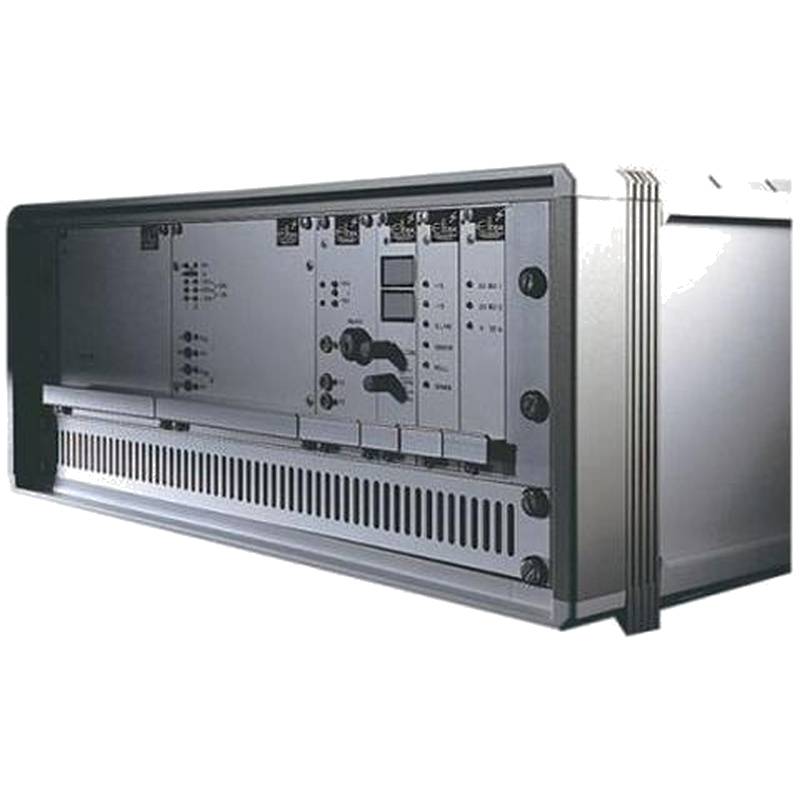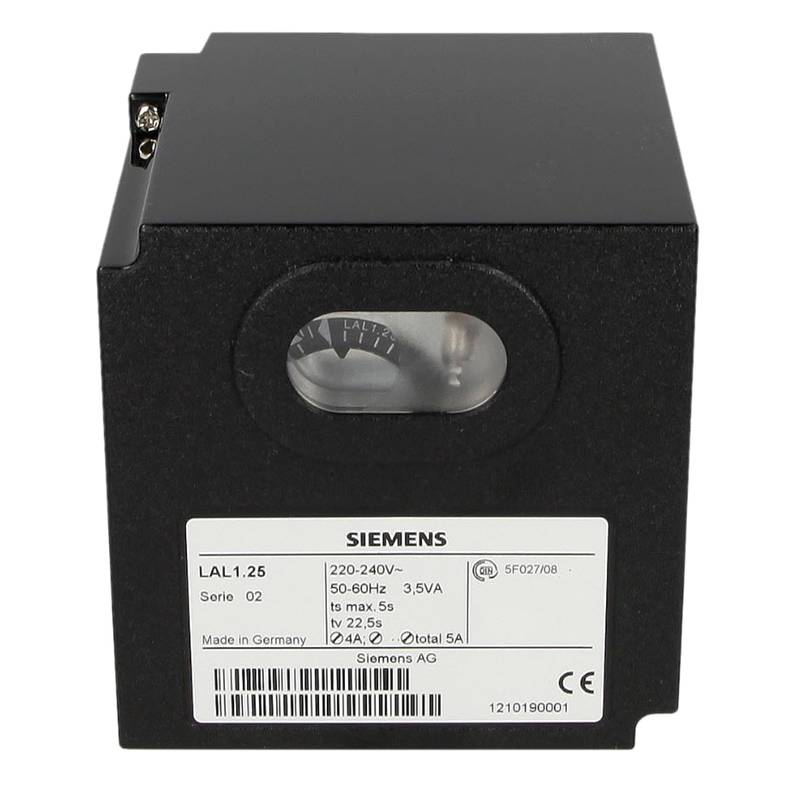
SIEMENS LGK16.622A17-110V 110V Two-Stage Burner Controller


The Siemens LGK16.622A17-110V is a sophisticated two-stage burner controller designed for robust and efficient operation in industrial heating applications. This unit offers precise control over combustion processes, ensuring optimal performance and safety. Key advantages include its dual-stage capability for modulated heat output, a reliable 110V AC operating voltage, and comprehensive safety monitoring features. Its compact design and straightforward integration make it a preferred choice for various OEM boiler and burner system manufacturers.
| Specification | Value |
| :------------------------- | :---------------- |
| Model | LGK16.622A17-110V |
| Voltage | 110V AC |
| Stages | Two-stage |
| Application | Burner Control |
| Safety Functionality | Integrated |
| Control Type | Electronic |
| Operating Temperature Range | Varies (typically -20°C to +60°C) |
| Dimensions | Varies (compact design) |
Core Features & Market Positioning
The Siemens LGK16.622A17-110V distinguishes itself with its advanced two-stage combustion control, allowing for efficient modulation of heat output based on demand. This capability significantly reduces energy consumption and enhances system longevity by minimizing frequent on/off cycling. Its robust build quality and adherence to stringent safety standards position it as a reliable component in demanding industrial environments. The controller integrates essential safety interlocks, providing a secure and dependable operational framework for gas and oil burners.
Key Application Scenarios
This burner controller is ideally suited for a wide array of industrial heating systems. It is commonly integrated into commercial boilers for space heating, process water heaters, and industrial ovens. Its precise control is vital in applications where consistent temperature regulation is paramount, such as in food processing, chemical manufacturing, and textile production. The 110V power requirement also makes it compatible with systems designed for specific electrical infrastructure.
Practical System Integration Guidance
Integrating the Siemens LGK16.622A17-110V requires careful attention to electrical wiring and safety interlock connections. The controller typically interfaces with flame sensors (UV or ionization), ignition transformers, fuel valves, and fan motors. Proper wiring of the safety circuit, including limit switches and pressure controls, is critical for ensuring safe shutdown in abnormal conditions. Referencing the official Siemens technical documentation for the specific LGK16.622A17-110V model is essential for correct installation and connection diagrams to prevent operational faults.
Operation and Risk Mitigation
Operating the LGK16.622A17-110V involves understanding its two-stage firing sequence and safety shutdown procedures. The controller monitors the flame signal to ensure ignition and continuous combustion. In the event of flame failure or other safety interlocks being triggered, the controller initiates an immediate shutdown of fuel and ignition. Common troubleshooting may involve checking for proper flame signal strength, ensuring correct gas pressure, and verifying the integrity of all electrical connections and safety limit switch functionality. Refer to the manual for specific diagnostic codes.
Scalability & Long-Term Value
While the LGK16.622A17-110V is a standalone controller, its value lies in its reliability and integration into robust burner systems. Its compatibility with standard industrial burner components ensures ease of maintenance and repair. For facilities looking to adopt IIoT and digital solutions, this controller can be part of a larger system where data from burner performance can be monitored and analyzed through external SCADA or building management systems, enabling predictive maintenance and performance optimization.
Frequently Asked Questions
What is the primary function of the Siemens LGK16.622A17-110V?
This controller manages the combustion process for industrial burners. It ensures safe ignition and operation through a two-stage firing sequence. It is engineered to maintain consistent heat output based on system demands.
It is designed to work with a 110V AC power supply. The unit incorporates crucial safety features to prevent hazardous conditions. Its role is vital in optimizing fuel efficiency and ensuring equipment longevity.
The controller acts as the brain of the burner system. It sequences the ignition, flame detection, and fuel delivery stages. This automation enhances operational reliability and reduces manual intervention.
How do I wire the Siemens LGK16.622A17-110V?
Consult the specific wiring diagrams provided in the Siemens technical manual. Ensure all connections match the terminal designations for power, ignition, flame sensor, and fuel valves. Proper grounding is critical for safe operation and signal integrity.
Double-check all connections for security and correct polarity. Incorrect wiring can lead to immediate component failure or safety system malfunction. Always disconnect power before performing any wiring tasks.
Refer to the installation guide for specific guidance on flame sensor types (e.g., UV or ionization) and their corresponding wiring. Follow safety protocols diligently during the entire installation process.
What are the main advantages of a two-stage burner controller?
Two-stage control allows for modulated heat output, improving energy efficiency. This reduces fuel consumption by avoiding constant on-off cycles. It leads to more stable temperature regulation within the heated space.
This modulation also results in quieter operation and less wear on mechanical components. The system can maintain a desired temperature more precisely. It offers a significant advantage over single-stage or simple on/off controls.
The ability to operate at a lower capacity stage when full heat isn't required is a key benefit. This leads to extended equipment lifespan and reduced maintenance costs. It provides a more comfortable and consistent environment.
Can the LGK16.622A17-110V be used with natural gas and oil burners?
Yes, this controller is designed to manage both natural gas and oil burners. Its adaptability makes it versatile for various fuel sources. It sequences the appropriate fuel delivery and ignition for each fuel type.
The specific configuration and safety interlocks will depend on the burner type. Ensure compatibility with the chosen burner manufacturer's specifications. Proper setup is key for optimal performance with either fuel.
Always verify that the gas train or oil supply system is correctly designed and installed for the specific fuel. The controller will then manage the combustion sequence accordingly. It plays a crucial role in safe and efficient fuel utilization.
What safety features are integrated into this burner controller?
It incorporates flame monitoring to detect the presence of a flame. If flame is lost, it automatically shuts off fuel to prevent hazardous gas accumulation. It also integrates with safety interlock circuits.
These interlocks can include high-limit temperature switches, pressure switches, and airflow sensors. The controller ensures all safety conditions are met before ignition and during operation. This multi-layered approach is vital for safety.
The controller performs a pre-purge cycle before ignition to clear any residual gases. It also executes a post-purge cycle after shutdown. This comprehensive safety logic is standard for industrial burner management.
How does the 110V operating voltage affect its application?
The 110V AC requirement simplifies integration into systems designed for this voltage standard. It is common in many North American and other international electrical installations. This voltage is generally safer to work with than higher voltages.
This makes it suitable for smaller to medium-sized industrial heating units. It can be directly powered from standard circuits in many commercial settings. Compatibility with existing electrical infrastructure is a key consideration.
For installations requiring higher voltage, a transformer would be necessary to step down the supply. Always ensure the voltage supplied precisely matches the controller's requirements for reliable operation.
What are common issues if the burner fails to ignite?
Check if the igniter is receiving power and producing a spark. Verify the gas valve is opening and fuel is reaching the burner. Ensure the flame sensor is clean and properly positioned to detect the flame.
Inspect all wiring connections for security and integrity. Confirm that safety interlocks, such as limit switches, are not preventing ignition. Review the controller's status indicators for any fault codes.
Ensure adequate gas pressure and proper airflow through the system. A faulty ignition transformer or a dirty flame sensor are frequent culprits for ignition failure. Always consult the operational manual for troubleshooting steps.
How is the two-stage operation controlled?
The controller initiates operation on the first stage (low fire) for stable ignition. Once a stable flame is established, it can modulate to the second stage (high fire) if more heat is demanded. It returns to the first stage when demand decreases.
This modulation is typically driven by demand signals from thermostats or process controllers. The controller interprets these signals to adjust the burner output accordingly. It balances efficiency with heating requirements.
The transition between stages is precisely managed to avoid combustion instability. This ensures continuous and efficient heat delivery across a range of operating conditions. It optimizes performance and comfort.
Where can I find the technical specifications for the LGK16.622A17-110V?
Refer to the official product datasheet and installation manual from Siemens. These documents provide comprehensive technical details. They are typically available for download from the Siemens Industry Online Support (SIOS) portal or through authorized distributors.
These resources will detail electrical ratings, operating temperature ranges, dimensions, and safety certifications. They also include specific performance data and application guidelines. Always use the most current documentation.
The manufacturer's website and technical support are your primary sources for accurate and up-to-date product information. Ensure you are referencing the exact model number for correct specifications.
What is the typical lifespan of this burner controller?
With proper installation and regular maintenance, these controllers can last for many years. Their robust design is intended for long-term industrial use. Lifespan depends heavily on environmental conditions and operational cycles.
Avoiding power surges and ensuring clean electrical supply can extend its service life. Adhering to the manufacturer's recommended maintenance schedule is crucial. Regular checks of connected components also contribute to longevity.
Factors like frequent cycling, extreme temperatures, or exposure to contaminants can shorten its lifespan. By following best practices for operation and maintenance, users can maximize the reliable service life of the LGK16.622A17-110V.