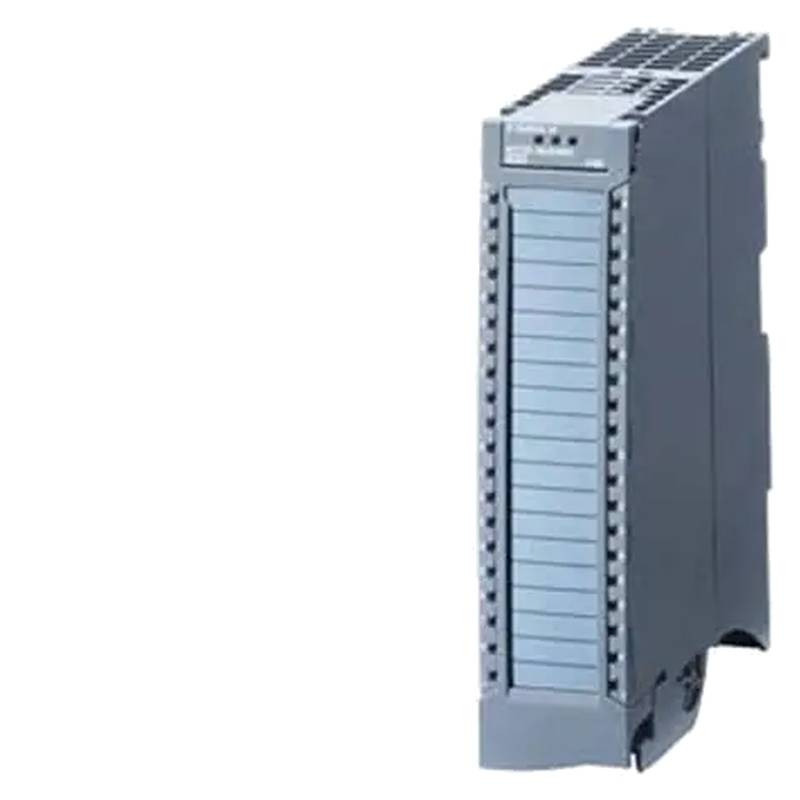
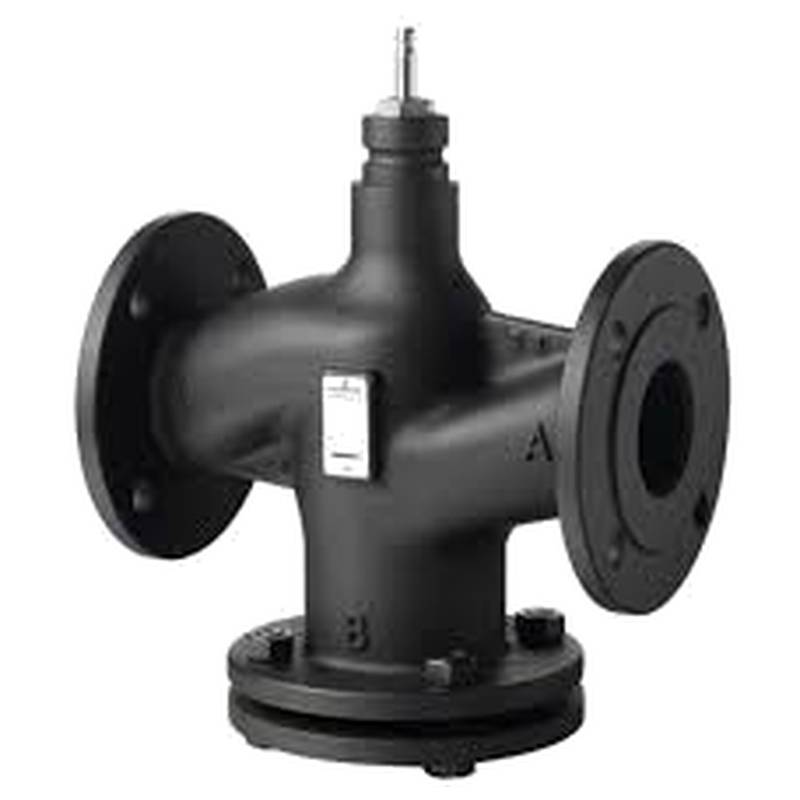
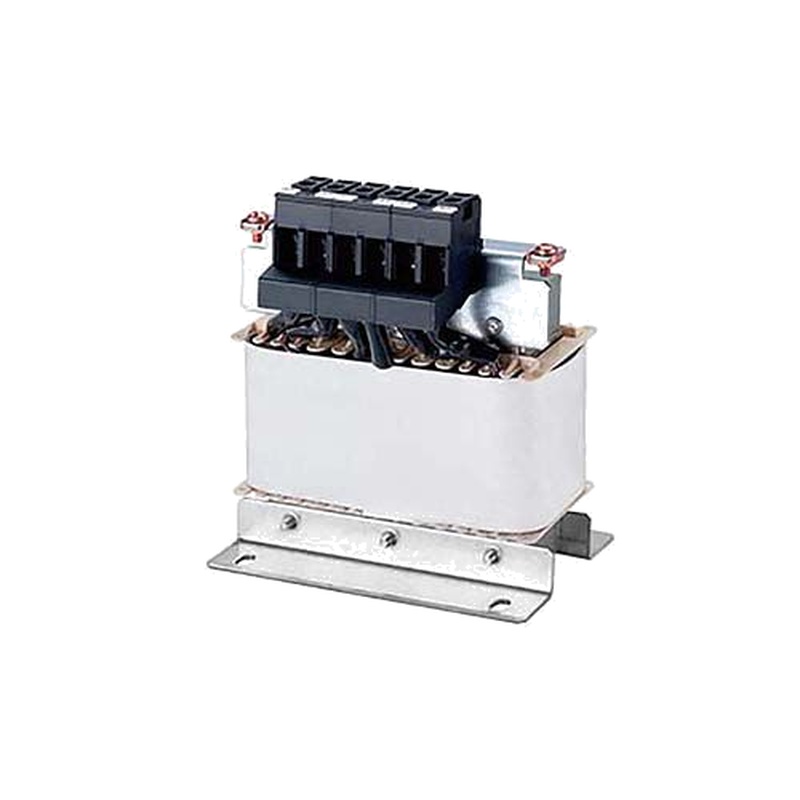
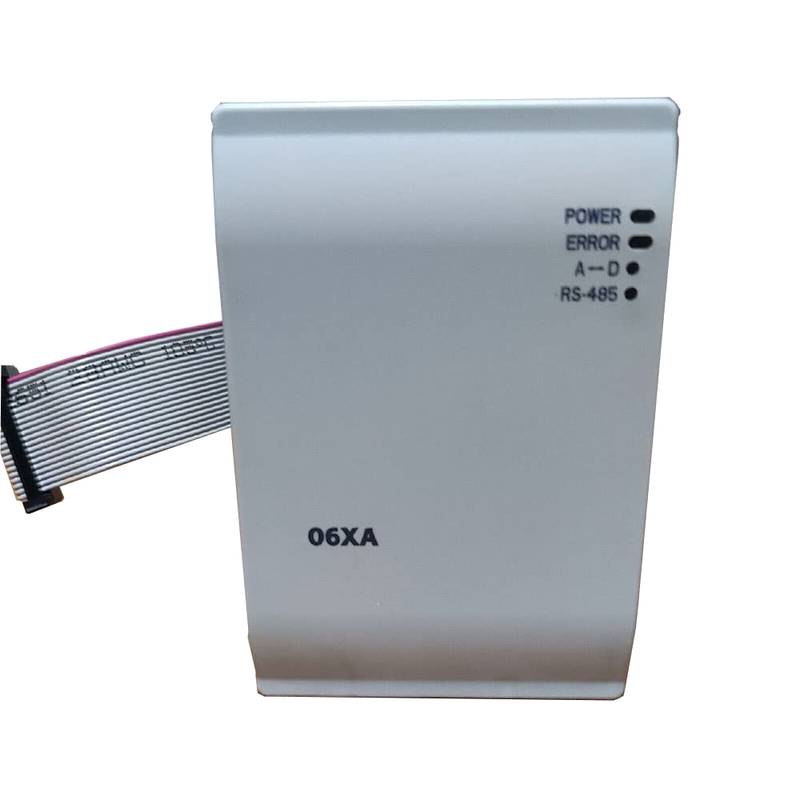
SIEMENS LMV27.100A2 Air/Fuel Ratio Control LMV27 Standard


The SIEMENS LMV27.100A2 Air/Fuel Ratio Control LMV27 Standard is a sophisticated burner management system designed for precise combustion control in industrial applications. This unit excels by offering robust flame detection capabilities, integrated fuel and air ratio management, and comprehensive safety interlocks. Key technical parameters include a voltage rating of 120 VAC, a frequency of 60 Hz, and compatibility with single-stage burners. The LMV27.100A2 is engineered for reliability and efficiency, ensuring optimal performance across demanding industrial environments.
Product Specifications
| Specification | Value |
| :---------------------- | :----------------- |
| Product Type | Air/Fuel Ratio Control |
| Model Number | LMV27.100A2 |
| Brand | SIEMENS |
| Voltage | 120 VAC |
| Frequency | 60 Hz |
| Burner Stage | Single-Stage |
| Control Type | Standard |
| Flame Detection | Integrated |
| Fuel/Air Ratio Management | Integrated |
| Safety Interlocks | Comprehensive |
Core Features & Market Positioning
The SIEMENS LMV27.100A2 distinguishes itself through its all-in-one approach to burner management, consolidating critical control functions into a single, highly reliable module. Its integrated flame detection, coupled with precise air/fuel ratio control, significantly enhances combustion efficiency and reduces operational costs. This unit is positioned as a superior solution for single-stage burner applications where consistent performance and adherence to stringent safety standards are paramount. Unlike simpler controllers, the LMV27.100A2 provides advanced diagnostic capabilities, enabling faster troubleshooting and minimizing downtime.
Key Application Scenarios
This air/fuel ratio control unit is ideally suited for a wide array of industrial heating applications. It is commonly deployed in commercial and industrial boilers, furnaces, and process heaters where maintaining an optimal air-to-fuel mixture is crucial for achieving peak efficiency and minimizing emissions. Specific sectors benefiting from the LMV27.100A2 include manufacturing plants, food processing facilities, and HVAC systems for large commercial buildings. Its standard configuration makes it a versatile choice for applications requiring straightforward yet effective burner control.
Practical System Integration Guidance
Integrating the SIEMENS LMV27.100A2 involves careful wiring to ensure proper functionality and safety. The system typically connects to the burner's ignition transformer, fuel valve, and combustion air damper actuator. It also interfaces with flame sensors, such as UV scanners or flame rods, to monitor combustion. Installation requires adherence to electrical codes and the manufacturer's detailed wiring diagrams. For optimal performance, ensuring the correct sequencing of electrical connections is critical during the commissioning phase to establish a safe and efficient startup procedure.
Operation and Risk Mitigation
Safe operation of the SIEMENS LMV27.100A2 hinges on understanding its safety interlock system and proper startup sequences. Regular maintenance, including cleaning of flame sensors and checking electrical connections, is vital to prevent malfunctions. In case of a flame failure, the unit is designed to execute a safe shutdown sequence, preventing fuel accumulation and potential ignition hazards. Familiarity with specific fault codes, often indicated by diagnostic LEDs on the unit, is essential for prompt troubleshooting and risk mitigation, ensuring the burner operates within safe parameters at all times.
Scalability & Long-Term Value
While the LMV27.100A2 is a standard unit for single-stage burners, its value extends through SIEMENS' broader ecosystem of industrial automation solutions. This controller can be integrated into larger plant-wide control systems, allowing for centralized monitoring and management of multiple combustion units. Its robust design ensures longevity and reliable performance, minimizing the need for frequent replacements. For facilities aiming to adopt advanced industrial internet of things (IIoT) strategies, the LMV27.100A2 provides a foundational element for data acquisition related to combustion performance, contributing to long-term operational optimization and predictive maintenance initiatives.
Frequently Asked Questions
Q1: What is the primary function of the SIEMENS LMV27.100A2?
It controls the ratio of air to fuel for efficient combustion. This ensures optimal burner performance and safety.
It also manages the startup and shutdown sequences of the burner. This is critical for preventing hazardous conditions.
The unit integrates flame detection to confirm successful ignition and stable combustion. It acts as a central safety manager.
Q2: What voltage and frequency does the LMV27.100A2 operate on?
This model operates on a standard 120 VAC power supply. It is designed for North American electrical systems.
The required frequency for operation is 60 Hz. This is typical for industrial equipment in many regions.
Ensure your power source matches these specifications for proper and safe function. Mismatched power can cause damage.
Q3: Can the LMV27.100A2 be used for multi-stage burners?
No, this specific model, LMV27.100A2, is designed for single-stage burners only. It manages one level of fuel input.
For multi-stage or modulating burners, different SIEMENS models are required. These offer more complex control capabilities.
Always verify the burner type and requirements before selecting a control unit. Using the wrong controller poses a safety risk.
Q4: What types of flame sensors are compatible with the LMV27.100A2?
The unit supports common flame sensing technologies. This includes flame rods and UV scanners.
Flame rods detect the electrical conductivity of a flame. UV scanners detect ultraviolet radiation emitted by flames.
Ensure the selected sensor is compatible with the LMV27.100A2 and the specific fuel being burned. Proper selection is key to reliable operation.
Q5: How does the LMV27.100A2 ensure burner safety?
It incorporates a robust safety interlock system. This monitors critical parameters during operation.
The system automatically shuts down the burner if unsafe conditions are detected. This prevents fuel buildup and potential explosions.
It sequences startup and shutdown procedures to ensure a safe transition. Flame monitoring is a core safety feature.
Q6: What are the benefits of integrated air/fuel ratio control?
Integrated control optimizes combustion efficiency. This leads to reduced fuel consumption and lower operating costs.
It also helps in minimizing harmful emissions. This is crucial for environmental compliance.
Consistent air/fuel ratios ensure stable flame and reliable burner performance. This reduces maintenance needs.
Q7: Is the SIEMENS LMV27.100A2 difficult to install?
Installation requires adherence to electrical codes and wiring diagrams. Professional installation is recommended.
Proper sequencing of connections to actuators and valves is critical. Incorrect wiring can lead to system failure or safety hazards.
The unit is designed for straightforward integration into typical burner systems. Once wired, commissioning procedures are followed.
Q8: What does "Standard" in LMV27.100A2 Standard signify?
"Standard" indicates a common configuration for single-stage applications. It offers essential burner management features.
It implies it is not an advanced or specialized version. It provides reliable and efficient control for typical industrial needs.
This designation helps users identify the appropriate model for general-purpose single-stage burner applications. It simplifies product selection.
Q9: How can I troubleshoot issues with the LMV27.100A2?
Observe the diagnostic LEDs on the unit. These provide fault codes indicating the problem.
Refer to the product manual for detailed explanations of fault codes. This will guide troubleshooting steps.
Ensure all electrical connections are secure and power is supplied correctly. Basic checks are often the first step.
Q10: Can the LMV27.100A2 be integrated with IIoT platforms?
While the unit itself is a controller, it can be part of a larger system. Data can be collected from its operation for IIoT analysis.
Integration typically involves interfacing with a PLC or SCADA system. These systems can then transmit data to IIoT platforms.
This allows for remote monitoring and data-driven optimization of combustion processes. It enhances overall plant efficiency.