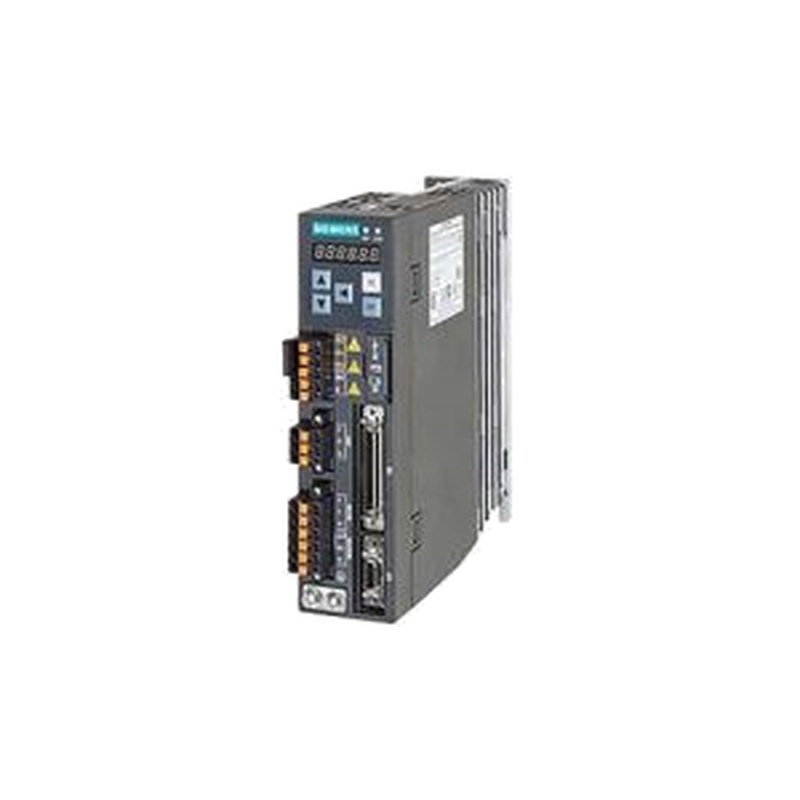













SIEMENS LMV37.400A2 Electronic Fuel/Air Ratio Control LMV37


The SIEMENS LMV37.400A2 Electronic Fuel/Air Ratio Control represents a pinnacle of combustion management technology, engineered for precision, reliability, and efficiency in industrial burner applications. This sophisticated control unit offers advanced features such as direct digital control of fuel and air, adaptive combustion optimization, and robust safety interlocks, ensuring optimal performance across a wide range of operating conditions. Key technical parameters include a voltage rating of 100-240V AC, a frequency of 50/60 Hz, and an ambient operating temperature range of -20 to +60°C, making it suitable for demanding industrial environments. Its integrated diagnostic capabilities and precise actuator control significantly reduce fuel consumption and emissions while enhancing operational safety and system uptime.
Core Features & Market Positioning
The LMV37.400A2 distinguishes itself through its advanced digital signal processing, enabling superior control accuracy compared to traditional analog systems. Its adaptive algorithms continuously monitor combustion parameters, automatically adjusting fuel and air ratios to maintain peak efficiency and stability even with fluctuating fuel quality or atmospheric conditions. This intelligent self-optimization positions the LMV37.400A2 as a premium solution for industries where energy efficiency, emissions compliance, and process reliability are paramount. It directly addresses the market's growing demand for smart, connected industrial equipment capable of sophisticated automation and performance tuning.
Key Application Scenarios
This electronic fuel/air ratio control is ideally suited for a variety of industrial combustion processes, including large-scale boilers, industrial furnaces, thermal oxidizers, and process heaters. Its precise control capabilities are critical in applications requiring stringent emissions standards, such as those found in chemical processing, power generation, and waste-to-energy facilities. The SIEMENS LMV37.400A2 is particularly valuable in high-demand environments where consistent and efficient heat generation is essential for uninterrupted production cycles.
Practical System Integration Guidance
Integrating the SIEMENS LMV37.400A2 into an existing system involves careful wiring and parameter configuration. The unit typically interfaces with burner management systems and requires proper connection to fuel valves, air dampers, and flame detectors. Installation necessitates adherence to electrical safety standards and the manufacturer's guidelines for physical mounting and environmental protection. Commissioning involves setting operational parameters, such as minimum and maximum firing rates, air damper travel limits, and flame signal strength thresholds, often utilizing the integrated digital interface or associated software tools for fine-tuning and verification of the control loop.
Operation and Risk Mitigation
Safe operation of the LMV37.400A2 is paramount and is ensured through multiple integrated safety interlocks and diagnostic functions. The system continuously monitors for unsafe conditions, such as loss of flame, over-temperature, or incorrect fuel/air ratios, initiating a safe shutdown sequence if deviations occur. Understanding common fault codes, which are typically displayed on the unit's interface or accessible via diagnostic software, is crucial for effective troubleshooting and minimizing downtime. Regular maintenance, including inspection of flame sensors and actuator mechanisms, is essential to prevent operational risks and ensure consistent performance.
Scalability & Long-Term Value
The SIEMENS LMV37.400A2 offers significant long-term value through its robust design and compatibility with Siemens' broader industrial automation platforms. While primarily a standalone control unit, its digital nature allows for seamless integration into SCADA systems or IIoT frameworks, enabling remote monitoring, data logging, and predictive maintenance strategies. This facilitates a scalable approach to combustion management, allowing for upgrades and enhanced control capabilities as industrial processes evolve, ensuring sustained operational efficiency and cost-effectiveness.
*
Frequently Asked Questions
What is the primary function of the SIEMENS LMV37.400A2?
The SIEMENS LMV37.400A2 is an electronic control system for managing fuel and air ratios in industrial combustion processes. It ensures precise mixture for efficient and safe burning.
It optimizes combustion by continuously adjusting fuel and air intake based on real-time sensor data. This leads to reduced fuel consumption and lower emissions.
The device provides advanced safety interlocks and diagnostic capabilities, enhancing operational reliability and preventing hazardous situations.
What are the main technical specifications for the LMV37.400A2?
Key specifications include an operating voltage range of 100-240V AC and a frequency compatibility of 50/60 Hz. It is designed for industrial environments with an ambient temperature range of -20 to +60°C.
The control unit supports precise actuator control for fuel valves and air dampers, crucial for achieving optimal combustion. It features digital signal processing for accurate ratio management.
Its robust construction and comprehensive feature set make it suitable for demanding applications where reliability and efficiency are critical.
What types of industrial equipment can the LMV37.400A2 be used with?
This control unit is ideal for a wide array of industrial combustion equipment. This includes large boilers, industrial furnaces, and process heaters.
It is also commonly applied in thermal oxidizers and waste-to-energy systems where precise emissions control is necessary. Applications requiring consistent and efficient heat generation benefit greatly.
The LMV37.400A2 is designed for versatility and can be integrated into systems requiring stringent control over fuel and air mixtures.
How does the LMV37.400A2 ensure combustion safety?
The LMV37.400A2 incorporates multiple integrated safety interlocks and monitoring functions. It constantly checks for deviations from safe operating parameters.
In case of unsafe conditions like flame failure or critical temperature excursions, the unit initiates an automatic, safe shutdown sequence. This prevents potential hazards.
It also provides diagnostic information and fault codes to assist operators in identifying and rectifying issues promptly, ensuring system integrity.
What are the benefits of using an electronic fuel/air ratio control like the LMV37.400A2?
The primary benefit is significantly enhanced combustion efficiency, leading to reduced fuel costs and lower energy consumption. It optimizes the fuel-air mixture for peak performance.
It also contributes to environmental compliance by minimizing harmful emissions. The precise control helps meet stringent regulatory standards.
Furthermore, its advanced diagnostics and adaptive control reduce unplanned downtime and maintenance needs, improving overall operational reliability.
Can the LMV37.400A2 be integrated into modern digital control systems?
Yes, the LMV37.400A2, being a digital control unit, can be integrated into SCADA systems and other industrial automation platforms. This allows for remote monitoring and data acquisition.
Its digital nature facilitates connectivity with IIoT frameworks, enabling advanced features like predictive maintenance and performance analytics. This enhances its long-term value.
Integration with building management systems or centralized control rooms is straightforward, offering enhanced operational oversight and control.
What is the typical power supply requirement for the LMV37.400A2?
The LMV37.400A2 operates on a wide AC voltage input range, typically between 100 and 240 volts. This broad range offers flexibility in different power environments.
It is designed to function with standard industrial frequencies of either 50 Hz or 60 Hz, ensuring compatibility across various global power grids.
Proper electrical installation according to local codes and manufacturer guidelines is essential for safe and reliable operation of the unit.
How does the adaptive combustion optimization feature work?
This feature uses advanced algorithms to continuously monitor combustion variables such as flame signal and exhaust gas composition. It analyzes this data in real-time.
Based on the analyzed data, the LMV37.400A2 automatically adjusts the fuel and air actuators to maintain the optimal air-fuel ratio. This happens dynamically during operation.
This adaptive capability ensures consistent efficiency and stable combustion performance even when operating conditions or fuel quality change.
What are common troubleshooting steps for the LMV37.400A2?
Begin by checking for any displayed fault codes on the unit's interface or through diagnostic software. These codes provide specific guidance on the issue.
Verify all electrical connections, ensuring they are secure and according to wiring diagrams. Check sensor readings and actuator responses for anomalies.
Consult the product manual for detailed troubleshooting procedures related to specific fault codes or operational problems. Regular maintenance also prevents many issues.
What is the typical operating temperature range for this control unit?
The SIEMENS LMV37.400A2 is engineered to operate reliably within a broad ambient temperature range, from -20°C up to +60°C. This wide range is suitable for harsh industrial settings.
This temperature specification ensures consistent performance and longevity even in environments experiencing significant thermal fluctuations, common in industrial plants.
Proper ventilation and environmental protection should still be considered during installation to maintain optimal operating conditions and extend the lifespan of the unit.