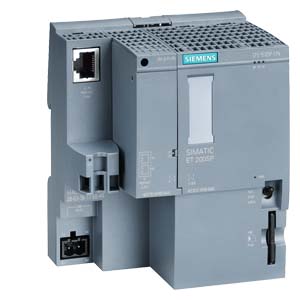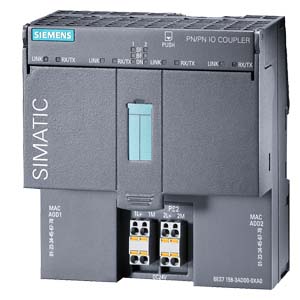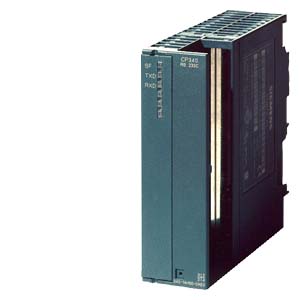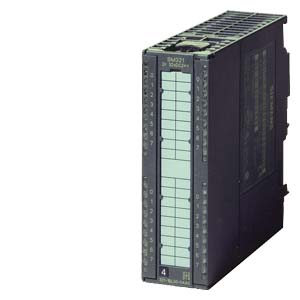












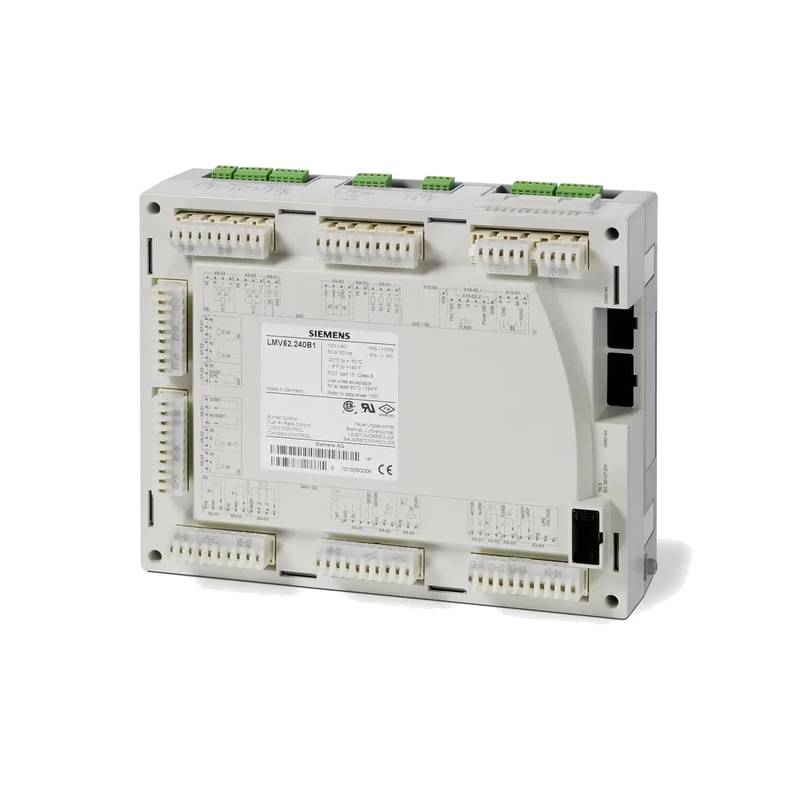
SIEMENS LMV52.200B1 LMV52 Burner Management System High Performance


The SIEMENS LMV52.200B1 LMV52 Burner Management System High Performance stands as a pinnacle of modern combustion control, offering unparalleled safety, efficiency, and reliability for a diverse range of industrial applications. This advanced system is engineered to manage burners with exceptional precision, ensuring optimal fuel combustion and minimizing emissions. Its high-performance design is characterized by robust control algorithms, comprehensive diagnostic capabilities, and seamless integration into sophisticated plant automation architectures. The LMV52.200B1 is designed for demanding environments, providing critical safety interlocks and operational feedback essential for process integrity. Key technical parameters include its suitability for single or multi-burner applications, extensive programmability for tailored operational sequences, and compatibility with various fuel types. The system's core advantage lies in its ability to deliver consistent, high-efficiency combustion performance while adhering to stringent safety standards.
Product Specifications
| Feature | Specification |
| :----------------------- | :---------------------------------------------------------------------------- |
| Product Series | LMV52 |
| Model | LMV52.200B1 |
| Type | Burner Management System |
| Application | High Performance Burner Control |
| Number of Burners | Single or Multi-Burner capable (depending on configuration) |
| Voltage | 24 VAC |
| Power Consumption | Varies based on configuration; typically low |
| Operating Temperature | -20°C to +60°C (-4°F to +140°F) |
| Storage Temperature | -40°C to +80°C (-40°F to +176°F) |
| Humidity | Max. 95% non-condensing |
| Protection Rating | IP20 (or higher with appropriate enclosure) |
| Communication Interfaces | Typically supports various industrial protocols (e.g., Modbus, Profibus) |
| Certifications | UL, CSA, CE, FM (specific certifications may vary by region and model variant) |
| Fuel Types | Natural Gas, LPG, Oil, Dual Fuel (specific compatibility depends on application) |
| Safety Functions | Pre-ignition purge, ignition, flame monitoring, post-ignition purge, lockout |
Core Features & Market Positioning
The SIEMENS LMV52.200B1 distinguishes itself through its sophisticated flame monitoring technology, which ensures rapid detection of flame loss and immediate safety shutdown, a critical feature for preventing hazardous conditions. Its advanced diagnostic capabilities provide real-time insights into burner performance, enabling predictive maintenance and minimizing unplanned downtime. This system is positioned as a high-performance solution for industries where combustion reliability is paramount, such as power generation, petrochemicals, and industrial heating. The LMV52.200B1's adaptability to various burner types and fuel sources, coupled with its robust safety interlocks, positions it as a superior alternative to less sophisticated control systems, offering a significant competitive edge in terms of operational efficiency and safety assurance.
Key Application Scenarios
This high-performance burner management system is ideally suited for controlling industrial boilers, process heaters, thermal oxidizers, and incinerators where precise and safe combustion control is non-negotiable. Its robust design makes it an excellent choice for applications in the oil and gas sector, chemical processing plants, and manufacturing facilities that rely on consistent thermal output. The SIEMENS LMV52.200B1 is particularly valuable in scenarios demanding compliance with strict environmental regulations due to its ability to optimize combustion for reduced emissions. For users requiring integrated safety logic and operational sequencing for complex burner arrays, this system provides a comprehensive, all-in-one solution.
Practical System Integration Guidance
Integrating the SIEMENS LMV52.200B1 involves careful planning and adherence to established electrical and mechanical codes. The system typically requires a dedicated 24 VAC power supply and direct wiring to flame detectors (UV, IR, or flame rod), ignition transformers, fuel valves, and combustion air dampers. Commissioning is a critical phase, often involving parameter configuration through dedicated software tools like SAT (Safety Application Tool) or direct keypad entry on supported models, to define pre-purge times, ignition sequences, and flame failure response. Understanding the specific burner train configuration and interlock requirements is crucial for accurate setup. Referencing the detailed LMV52 installation and operation manuals is essential for correct wiring diagrams and sequence programming to ensure safe and efficient operation.
Operation and Risk Mitigation
Operating the SIEMENS LMV52.200B1 requires personnel trained in burner management systems. Key operational aspects include monitoring system status via local indicators or remote HMI, understanding fault codes for troubleshooting, and performing routine checks as per maintenance schedules. Risk mitigation is inherently built into the LMV52.200B1's design, featuring multiple layers of safety. Common troubleshooting scenarios often revolve around flame detection issues, pilot gas pressure, or solenoid valve failures. Critical error codes, such as lockout conditions, typically indicate a safety-critical event that has occurred, necessitating a full system reset after the root cause is identified and rectified. Regular preventative maintenance, including cleaning flame detectors and testing safety interlocks, is vital for preventing operational risks.
Scalability & Long-Term Value
The SIEMENS LMV52.200B1 offers significant long-term value through its inherent scalability and compatibility with Siemens' broader automation portfolio. Its modular design and flexible programming capabilities allow for adaptation to evolving process requirements and the addition of new burners or functionalities. Integration with Distributed Control Systems (DCS) or Supervisory Control and Data Acquisition (SCADA) systems is typically straightforward via standard industrial communication protocols, enabling seamless inclusion in Industrial Internet of Things (IIoT) strategies and digital plant initiatives. This forward-looking design ensures that the LMV52.200B1 remains a relevant and high-value component of industrial combustion control for years to come, supporting digital transformation efforts and operational intelligence.
Frequently Asked Questions
What is the primary function of the SIEMENS LMV52.200B1?
The LMV52.200B1 manages the safe and efficient operation of industrial burners. It sequences startup, monitors flame, and executes shutdown protocols.
It ensures critical safety interlocks are maintained throughout the combustion cycle. This system optimizes fuel-air ratios for maximum thermal output and minimal emissions.
Its core purpose is to provide reliable, automated control, preventing hazardous conditions and ensuring process continuity.
How do I configure the SIEMENS LMV52.200B1 for a specific burner?
Configuration is done using Siemens' dedicated software tools or on-unit programming interfaces. Key parameters include purge times, ignition timing, and flame detection settings.
You must define the specific fuel type, burner capacity, and any external interlock requirements for proper sequencing. Correct parameterization is vital for safe startup and operation.
Refer to the LMV52.200B1 technical documentation for detailed guidance on setting up sequences and safety logic tailored to your application.
What are common fault codes for the SIEMENS LMV52.200B1?
Lockout codes typically indicate a safety-critical condition that has halted operation. Examples include flame failure after ignition or failure to establish a pilot flame.
Specific error codes may point to issues with flame detectors, ignition systems, or fuel valve actuation. These codes help pinpoint the root cause of operational anomalies.
Consulting the LMV52.200B1 service manual is essential for interpreting fault codes and performing accurate troubleshooting and corrective actions.
Can the LMV52.200B1 be integrated into a DCS system?
Yes, the LMV52.200B1 typically supports standard industrial communication protocols for DCS integration. These include Modbus, Profibus, or Ethernet/IP, depending on the specific variant.
This integration allows for centralized monitoring and control of burner operations from a main plant control room. It facilitates data logging and advanced performance analysis.
Seamless integration into DCS systems enables comprehensive plant-wide automation and supports digital transformation initiatives.
What types of flame detectors are compatible with the LMV52.200B1?
The system is designed to work with various flame detection technologies. This includes ultraviolet (UV) scanners, infrared (IR) scanners, and traditional flame rods.
The choice of flame detector depends on the fuel type, burner design, and environmental conditions. Each type offers distinct advantages for specific applications.
Proper selection and installation of the flame detector are critical for ensuring reliable flame monitoring and system safety.
What are the main advantages of the SIEMENS LMV52.200B1 over older systems?
Its advanced digital processing offers superior accuracy and faster response times compared to older analog systems. This leads to enhanced safety and efficiency.
The LMV52.200B1 provides comprehensive diagnostic capabilities, enabling predictive maintenance and reducing unplanned downtime. It offers greater flexibility in programming complex sequences.
Modern communication interfaces facilitate easier integration into plant-wide automation networks and IIoT platforms, providing more data for operational insights.
How does the LMV52.200B1 ensure burner safety?
It employs a multi-stage safety sequence during startup and operation. This includes pre-ignition purging, controlled ignition, and continuous flame monitoring.
In case of flame failure, the system immediately executes a safe shutdown procedure, de-energizing fuel valves to prevent gas accumulation. It also monitors for abnormal operating conditions.
The system's inherent design incorporates fail-safe logic and redundancy in critical safety functions to prevent hazardous scenarios.
What is the typical voltage supply for the LMV52.200B1?
The SIEMENS LMV52.200B1 is typically powered by a 24 VAC supply. This is a common voltage for industrial control equipment, ensuring compatibility with many power sources.
Users must ensure their power supply meets the specified voltage and current requirements to prevent system damage or operational failure. Dedicated circuits are recommended for reliability.
Always refer to the product's datasheet or the installation manual for precise power supply specifications relevant to your specific model variant.
Is the LMV52.200B1 suitable for hazardous area applications?
The base LMV52.200B1 unit typically has an IP20 rating, meaning it's not inherently designed for direct installation in hazardous zones. Special enclosures or intrinsically safe components are usually required.
For hazardous area installations, Siemens offers specific solutions and recommendations, often involving explosion-proof enclosures and certified flame detection systems. These are crucial for compliance.
Always consult the product's certification details and local hazardous area classifications to determine appropriate installation methods and any necessary safety accessories.
How can I perform maintenance on the LMV52.200B1?
Maintenance should only be performed by qualified personnel after the system has been safely de-energized and locked out. Initial steps involve visual inspection of components.
Regular checks include cleaning flame detector lenses, testing safety interlocks, and verifying the functionality of fuel valves and ignition systems. Calibration may be required periodically.
Referencing the official SIEMENS LMV52.200B1 maintenance manual is paramount for understanding the correct procedures, safety precautions, and recommended service intervals.