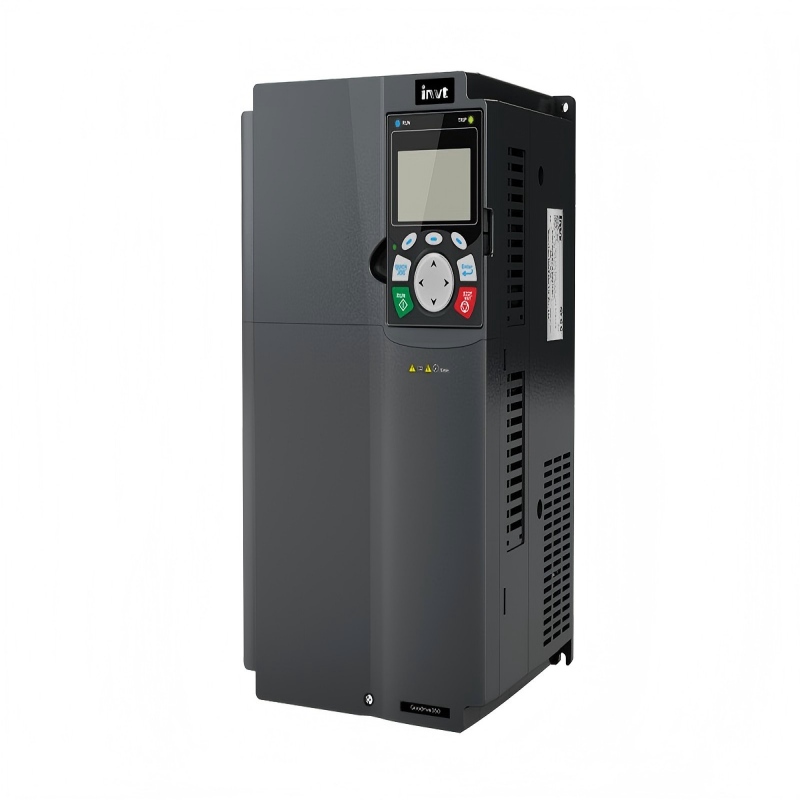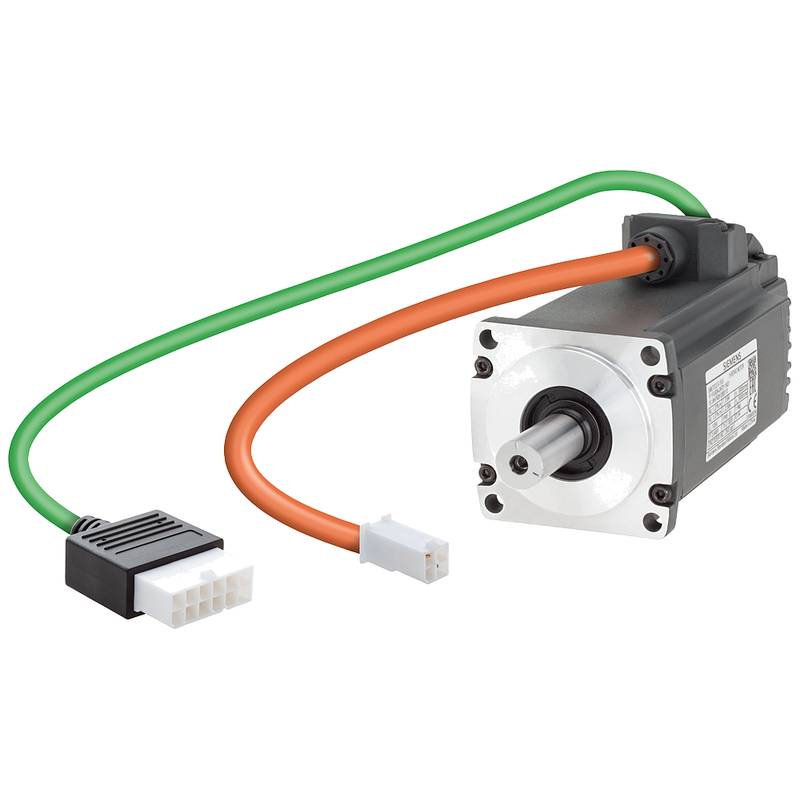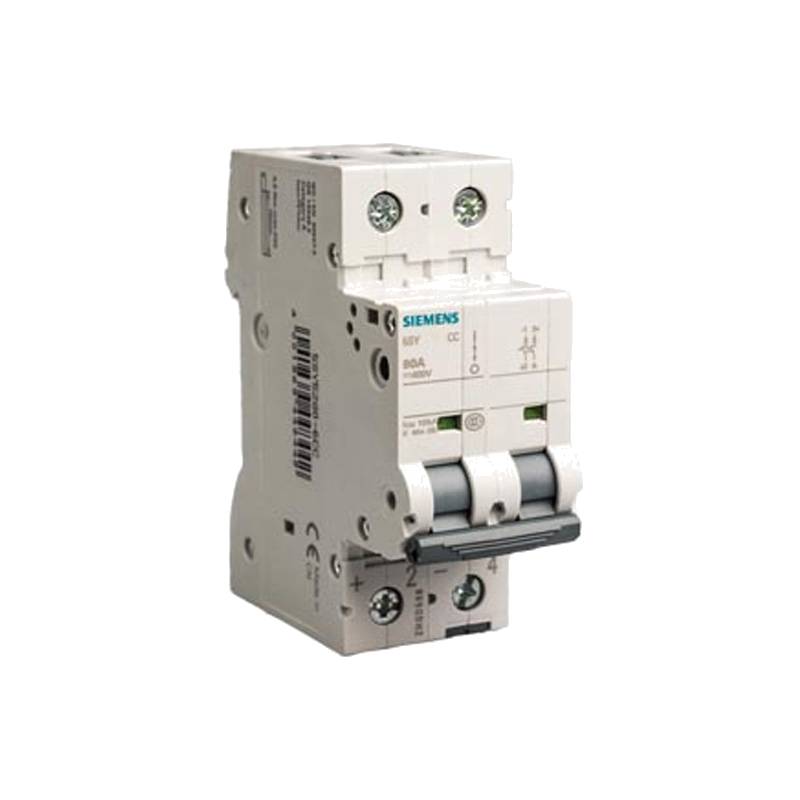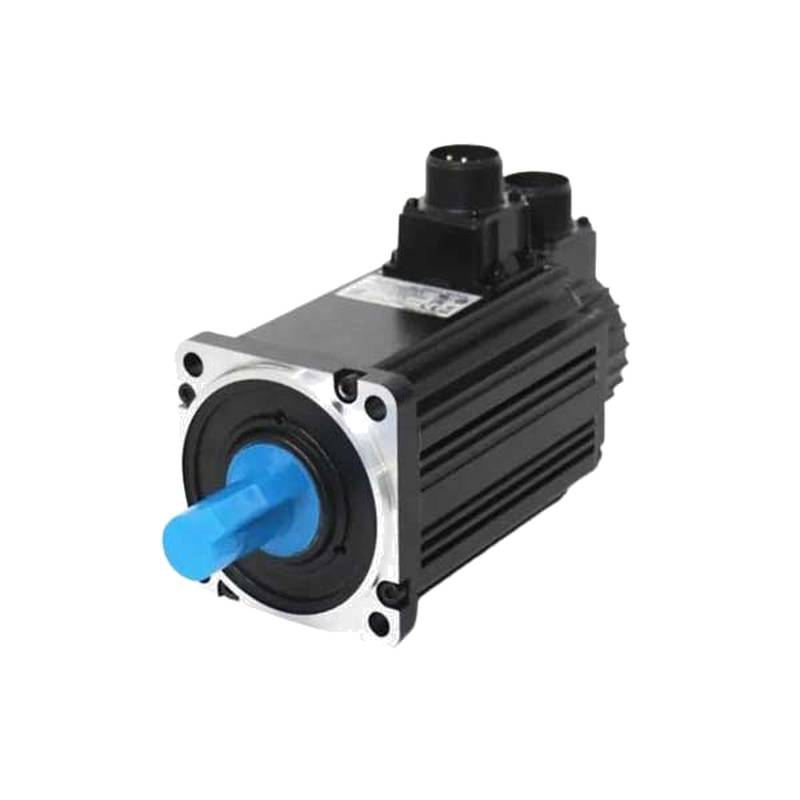













ESTUN ER20-800-SR-HI SCARA Series High Inertia Robot 20kg Payload 800mm Reach Enhanced Power Unit


The ESTUN ER20-800-SR-HI SCARA robot is engineered for high-speed, high-precision automation tasks, boasting a 20kg payload capacity and an 800mm reach. This high inertia robot, featuring an enhanced power unit, is designed to excel in demanding manufacturing environments requiring robust performance and reliability. Its core advantages lie in its superior speed, accuracy, and payload-to-reach ratio, making it a compelling choice for complex assembly, material handling, and packaging applications within the automotive, electronics, and general industry sectors.
Product Specifications
| Feature | Specification |
| :------------------ | :-------------------------------------------- |
| Model | ER20-800-SR-HI |
| Payload Capacity | 20 kg |
| Reach | 800 mm |
| Robot Type | SCALE |
| Inertia | High |
| Power Unit | Enhanced |
| Mounting Position | Tabletop |
| Repeatability | ±0.02 mm |
| Axis Number | 4 Axes |
| Max. Speed | 6000 mm/s (at wrist) |
| Power Supply | AC 200-240V, 50/60Hz |
| Operating Temp. | 0-45°C |
| Protection Rating | IP54 (Arm), IP20 (Controller) |
| Weight | Approx. 63 kg |
Core Features & Market Positioning
The ESTUN ER20-800-SR-HI SCARA robot distinguishes itself through its high inertia design, which translates to exceptional stability and smooth motion even under heavy loads, a critical factor in precision assembly and high-speed pick-and-place operations. Its enhanced power unit ensures efficient operation and superior torque control, contributing to its impressive 20kg payload capacity at an 800mm reach. This combination positions the ER20-800-SR-HI as a potent competitor in markets demanding high throughput and uncompromising accuracy, often outperforming lighter-payload robots in demanding applications. The robot's inherent rigidity, a hallmark of SCARA designs, is further amplified by ESTUN's engineering, enabling it to maintain tight tolerances in dynamic movements.
Key Application Scenarios
This ESTUN SCARA robot finds its most effective applications in high-volume production lines where speed and precision are paramount. In the electronics manufacturing sector, it excels at intricate component placement, soldering, and inspection tasks requiring sub-millimeter accuracy. For the automotive industry, the ER20-800-SR-HI is well-suited for assembly operations, such as fastening small parts, dispensing adhesives, or handling sub-assemblies. Its substantial payload also makes it a capable solution for material handling, including palletizing and depalletizing in packaging lines, where swift and reliable movement of goods is essential.
Practical System Integration Guidance
Integrating the ESTUN ER20-800-SR-HI SCARA robot into an existing automation system involves careful consideration of its power requirements and communication protocols. The robot typically connects via Ethernet/IP or Profinet to a PLC for seamless data exchange and control. Ensure the power supply meets the specified AC 200-240V, 50/60Hz range, with adequate circuit protection. Mounting the robot securely to a stable surface is crucial; the tabletop mounting configuration requires a robust foundation to prevent vibration and maintain positional accuracy.
Programming the ER20-800-SR-HI is typically achieved using ESTUN's proprietary programming language or through a graphical user interface on its teach pendant. Basic motion commands include point-to-point movements, linear interpolation, and circular interpolation, allowing for complex path programming. Safety interlocks, such as emergency stop buttons and light curtains, must be correctly wired to the controller to ensure safe operation.
When setting up end-of-arm tooling (EOAT), consider the robot's payload capacity and reach limitations to ensure optimal performance and prevent overload. The robot's I/O ports facilitate the integration of grippers, sensors, and other peripheral devices. Thorough testing of all programmed movements and safety functions is a mandatory step before initiating production.
Operation and Risk Mitigation
Operating the ESTUN ER20-800-SR-HI SCARA robot requires adherence to strict safety protocols to mitigate potential risks. The robot's powerful movements, even with its safety features, necessitate clearly defined safety zones, utilizing physical barriers or safety light curtains to prevent human entry during operation. Always ensure that emergency stop buttons are readily accessible and functioning correctly.
Common operational issues can include minor calibration drifts over time due to environmental factors or heavy use, which can be addressed through regular recalibration procedures outlined in the user manual. Fault codes, such as those indicating motor overload or communication errors, should be promptly investigated. For example, a fault code related to encoder feedback might suggest a connection issue or a sensor malfunction requiring inspection.
Regular maintenance, including lubrication of moving parts and inspection of cables and connections, is vital for preventing unexpected downtime and ensuring the robot's longevity. Familiarize all operators with the robot's control pendant, its functions, and emergency procedures. Always consult the official ESTUN documentation for detailed troubleshooting steps and specific fault code interpretations.
Scalability & Long-Term Value
The ESTUN ER20-800-SR-HI SCARA robot offers significant scalability for evolving production needs. Its robust design and ample payload capacity allow for the integration of more complex end-of-arm tooling or for handling larger components as processes advance. Compatibility with various communication protocols, such as Ethernet/IP and Profinet, ensures that it can be readily integrated into diverse automation architectures and connected with other machinery on the factory floor.
Furthermore, ESTUN's commitment to industrial automation solutions means that the ER20-800-SR-HI can be a foundational element in a larger Industry 4.0 strategy. Its ability to exchange data with higher-level systems enables its participation in smart manufacturing environments, contributing to real-time performance monitoring, predictive maintenance, and optimized production scheduling. This forward-looking integration capability enhances the long-term value proposition of the robot.
The inherent reliability and precision of the ER20-800-SR-HI also contribute to its long-term value by minimizing downtime and ensuring consistent product quality. As production demands change, this robot can be reprogrammed and redeployed to new tasks within its operational envelope, offering a flexible and cost-effective automation solution that adapts to business growth and market shifts.
Frequently Asked Questions
What is the maximum payload of the ESTUN ER20-800-SR-HI?
The ESTUN ER20-800-SR-HI SCARA robot is specified with a maximum payload capacity of 20 kilograms. This substantial capacity allows it to handle heavier components and tooling compared to many lighter-duty robots. This makes it suitable for demanding assembly and material handling tasks.
This high payload capability is crucial for applications involving large parts, multiple tools, or the need for robust grippers. It ensures consistent performance and reliability even when operating at the upper limits of its design. The robot's structural integrity and motor power are engineered to support this load.
Therefore, when selecting this robot, consider tasks that require moving significant weight or utilizing complex end-effectors. The 20kg payload is a key differentiator for the ER20-800-SR-HI in its class.
What is the reach of the ESTUN ER20-800-SR-HI?
The ESTUN ER20-800-SR-HI SCARA robot features a working reach of 800 millimeters. This reach defines the maximum distance the robot's end-effector can extend from its base. It is important for determining the robot's coverage area.
An 800mm reach is well-suited for a variety of applications, including medium-sized work envelopes common in electronics assembly or light manufacturing. It allows the robot to access components across a significant area without requiring excessive floor space. This reach is balanced with its payload capacity.
When planning your automation layout, use the 800mm reach to map out the robot's operational zone. Ensure that all target points for pick-and-place or assembly operations fall within this defined radius. This parameter is critical for application feasibility.
What type of applications is the ESTUN ER20-800-SR-HI best suited for?
This SCARA robot excels in high-speed, high-precision pick-and-place operations. Its 20kg payload and 800mm reach make it ideal for tasks like electronic component assembly, intricate part manipulation, and product packaging. It is designed for demanding industrial environments requiring accuracy.
Its high inertia design contributes to exceptional stability, which is vital for delicate assembly processes or when handling sensitive materials. The robot's speed and repeatability minimize cycle times, boosting production throughput in sectors like automotive and consumer electronics manufacturing. Its robust construction ensures reliability.
Furthermore, the ER20-800-SR-HI can be employed in tasks such as dispensing, soldering, or quality inspection where consistent positioning is critical. Its versatility allows for adaptation to a broad range of automated manufacturing challenges.
What are the key technical specifications of the ESTUN ER20-800-SR-HI?
Key specifications include a 20kg payload capacity and an 800mm reach, defining its primary operational capabilities. The robot is a 4-axis SCARA type, offering efficient planar movement. Its high inertia design contributes to stability.
Additional critical parameters are its high repeatability of ±0.02mm, ensuring consistent accuracy in repetitive tasks, and a maximum speed of up to 6000 mm/s at the wrist for rapid operations. It operates on AC 200-240V power.
The robot also features IP54 protection for the arm, offering resistance to dust and splashing water, and an operating temperature range of 0-45°C. Its approximate weight is 63kg.
How does the "High Inertia" designation impact the robot's performance?
A "High Inertia" designation means the robot's structure and motor system are designed to handle significant rotational inertia effectively. This translates to smoother accelerations and decelerations, even under substantial loads or when executing rapid directional changes. It improves operational stability.
For the ESTUN ER20-800-SR-HI, this feature is crucial for maintaining precision during fast cycles and when handling its full 20kg payload. High inertia robots are less prone to vibration and overshoot, which is essential for tasks requiring pinpoint accuracy, like micro-assembly or precise dispensing. The robot’s ability to manage inertia is key to its performance.
This design characteristic enables the robot to achieve higher speeds and faster cycle times while preserving accuracy and reducing wear on mechanical components. It directly contributes to the robot's suitability for demanding, high-throughput applications.
What is the "Enhanced Power Unit" and what benefits does it offer?
The "Enhanced Power Unit" signifies an upgraded or optimized power delivery system for the robot. This typically means improved torque output, more efficient energy usage, and better thermal management compared to standard power units. It supports its high payload and speed.
Benefits of this enhanced unit for the ER20-800-SR-HI include more robust performance when operating at its maximum payload, reduced risk of overheating during continuous high-speed cycles, and potentially faster response times for motor control. This leads to increased reliability and uptime.
This feature ensures the robot can consistently deliver the power required for its demanding specifications, such as the 20kg payload and 800mm reach, without compromising operational integrity. It is integral to the robot's high-performance capabilities.
Can the ESTUN ER20-800-SR-HI be integrated with third-party vision systems?
Yes, the ESTUN ER20-800-SR-HI is designed for integration with third-party vision systems. Its controller supports various communication protocols, commonly including Ethernet/IP and Profinet, which are standard for connecting cameras and image processing units. This allows for sophisticated guidance and inspection.
Integration typically involves configuring the robot controller to receive positional data or commands from the vision system. This enables applications like guided pick-and-place of irregularly oriented parts or automated quality control based on visual inspection, enhancing its flexibility. The robot's programming interface facilitates such connections.
By linking with a vision system, the robot can adapt to variations in part placement or identify defects in real-time, significantly expanding its capabilities beyond pre-programmed movements. This is a common requirement for advanced automation.
What are the typical programming methods for this robot?
The ESTUN ER20-800-SR-HI is typically programmed using its dedicated teach pendant, which offers both a graphical user interface (GUI) and a line-based programming language. This allows for intuitive motion teaching and complex logic creation. The GUI simplifies basic operations.
Users can define points, paths (linear, circular), and robot actions directly through the pendant. For more advanced control and integration with other systems, the robot's controller can often be programmed using higher-level languages or through PLC integration, leveraging common industrial automation software. This offers flexibility for developers.
The proprietary ESTUN programming language allows for detailed control over robot motion, I/O, and communication. It provides the necessary tools for creating sophisticated automation sequences tailored to specific manufacturing processes, ensuring precise execution of tasks.
What safety considerations are paramount when operating this robot?
Paramount safety considerations include establishing and enforcing clearly defined safety zones around the robot's operational area. This is typically achieved using physical guarding, safety interlocks, and presence-sensing devices like light curtains to prevent personnel access during operation. Emergency stop buttons must be prominently located and fully functional.
Operators must receive comprehensive training on the robot's operation, emergency procedures, and potential hazards. Proper lockout/tagout (LOTO) procedures must be followed during maintenance or servicing to prevent unexpected startup. Always ensure the robot's safety functions are correctly configured and regularly tested.
It is also critical to understand the robot's motion envelope and potential pinch points. Adherence to all local safety regulations and guidelines is mandatory. Regular risk assessments should be conducted to identify and mitigate any new or evolving safety concerns related to the robot's deployment.
What maintenance is required for the ESTUN ER20-800-SR-HI?
Regular maintenance for the ESTUN ER20-800-SR-HI includes periodic lubrication of the robot's joints and mechanical components as specified in the user manual to ensure smooth operation and prevent premature wear. Visual inspections of cables, connectors, and the arm for any signs of damage or fatigue are also essential.
A key maintenance task is periodic recalibration of the robot's axes to maintain its specified accuracy of ±0.02mm. This ensures that the robot continues to perform precise movements and tasks. Cleaning the robot's exterior, especially around sensors and critical joints, helps prevent debris buildup.
It is also recommended to regularly check and test all safety interlocks and emergency stop circuits to ensure they are functioning correctly. Software updates for the controller should be applied as recommended by ESTUN to benefit from performance improvements and bug fixes.