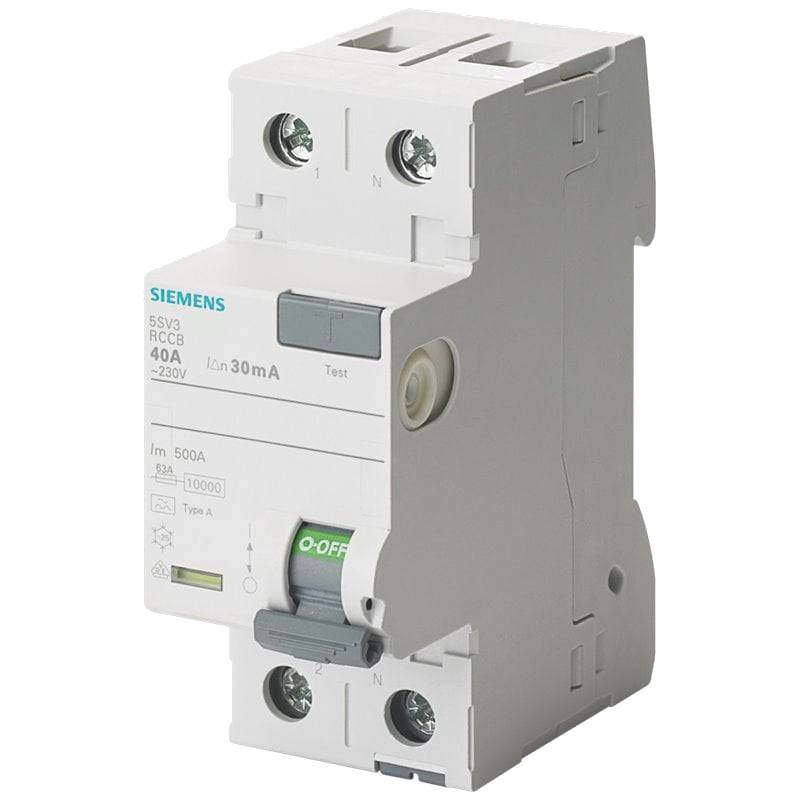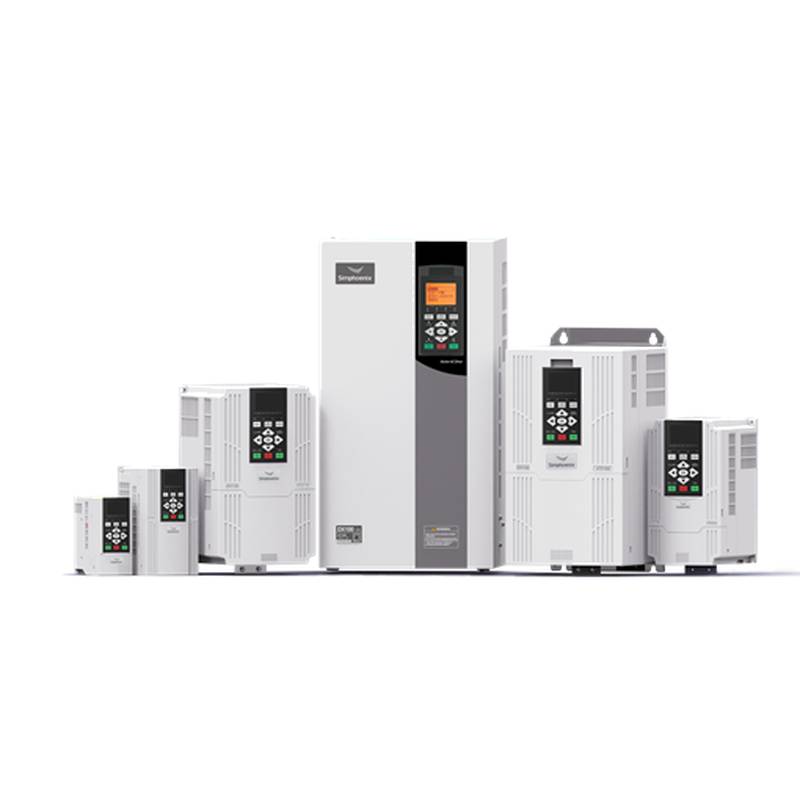













SIEMENS 6SL3730-6TE35-5AA3 SINAMICS S120 Cabinet Non-Regenerative Power Module with CIM 250kW 550A Standard 400V


The SIEMENS 6SL3730-6TE35-5AA3 SINAMICS S120 Cabinet Non-Regenerative Power Module, a robust 250kW, 550A, 400V solution, redefines industrial automation with its superior efficiency, advanced control capabilities, and seamless system integration. This power module excels in demanding applications requiring precise motor control and reliable power delivery. Its non-regenerative design ensures optimal energy usage in scenarios where power feedback is not a primary requirement. The integrated Control Interface Module (CIM) streamlines connectivity and enhances operational flexibility, making it a cornerstone for modern manufacturing environments.
Product Specifications
| Feature | Specification |
| :---------------------- | :-------------------------------------------------- |
| Product Number | 6SL3730-6TE35-5AA3 |
| Product Family | SINAMICS S120 Cabinet System |
| Power Rating | 250 kW |
| Rated Current | 550 A |
| Voltage | 400 V |
| Type | Non-Regenerative Power Module |
| Control Interface | CIM (Control Interface Module) |
| Configuration | Cabinet-based |
| Protection Class | IP20 (typical for cabinet modules) |
| Cooling | Forced air cooling |
| Communication Interfaces| PROFINET, PROFIBUS (depending on configuration) |
| Motor Type Compatibility| Synchronous and asynchronous motors |
Core Features & Market Positioning
The SIEMENS 6SL3730-6TE35-5AA3 distinguishes itself through its exceptional power density and sophisticated control algorithms, enabling highly dynamic and precise motion control. Its integration within the SINAMICS S120 ecosystem provides a unified platform for complex drive tasks, setting it apart from competitors in terms of scalability and feature set. The module's robust construction and Siemens' renowned reliability position it as a premium choice for mission-critical industrial processes where uptime and performance are paramount. Its advanced diagnostic capabilities contribute to predictive maintenance strategies, further enhancing its market appeal for efficiency-focused industries.
Key Application Scenarios
This SINAMICS S120 power module is ideally suited for high-performance applications across various sectors. In the automotive industry, it drives robotic assembly lines and material handling systems with exceptional accuracy. For the chemical and petrochemical sectors, it precisely controls pumps, compressors, and mixers in hazardous environments. The packaging industry benefits from its ability to manage high-speed conveyor systems and automated filling machines. Furthermore, it is a crucial component in complex machine tools and printing presses where dynamic response and smooth operation are essential.
Practical System Integration Guidance
Integrating the SIEMENS 6SL3730-6TE35-5AA3 into a SINAMICS S120 cabinet system involves careful planning of power distribution and control network connections. Ensure the main power supply conforms to the 400V specification with appropriate circuit protection. The CIM facilitates communication via standard industrial protocols such as PROFINET or PROFIBUS, requiring proper network cabling and IP address configuration. Motor connections should adhere to the module's current and voltage ratings, utilizing appropriate cable types and shielding to mitigate electromagnetic interference. Commissioning typically involves using Siemens' STARTER or TIA Portal software for parameterization, motor identification, and safety function configuration.
Operation and Risk Mitigation
Operating the SIEMENS 6SL3730-6TE35-5AA3 requires adherence to electrical safety standards and proper ventilation within its cabinet enclosure to prevent overheating. Users must ensure that all safety interlocks and emergency stop circuits are correctly wired and tested. Common troubleshooting involves monitoring diagnostic codes displayed on the control unit or through connected HMI/SCADA systems. Faults such as overcurrent, overvoltage, or overtemperature typically trigger automatic shutdown to protect the drive and connected machinery. Regular preventative maintenance, including filter cleaning and connection checks, is crucial for mitigating operational risks and ensuring longevity.
Scalability & Long-Term Value
The SINAMICS S120 platform, with the 6SL3730-6TE35-5AA3 as a core component, offers significant scalability. Additional drive units and control modules can be integrated to expand system capabilities as production demands evolve. Its compatibility with a wide range of Siemens automation products, including PLCs from the SIMATIC S7 family, ensures seamless integration into existing or future smart factory architectures. This modularity and backward compatibility provide excellent long-term value, allowing for phased upgrades and adaptation to Industry 4.0 initiatives, including advanced data analytics and predictive maintenance powered by IIoT connectivity.
Frequently Asked Questions
What is the primary function of the SIEMENS 6SL3730-6TE35-5AA3?
This module serves as a non-regenerative power unit for SINAMICS S120 drive systems. It provides the necessary power to motors, enabling precise speed and torque control.
It is engineered for demanding industrial applications requiring high efficiency and reliability. The 250kW rating makes it suitable for medium to large motor loads.
Its core purpose is to deliver controlled electrical energy to AC motors, facilitating complex motion profiles and automation tasks in manufacturing.
How does the CIM in the 6SL3730-6TE35-5AA3 enhance system functionality?
The CIM acts as the central communication hub for the power module. It enables data exchange with higher-level controllers via protocols like PROFINET or PROFIBUS.
This module facilitates advanced diagnostics, parameter setting, and integration into distributed control architectures. It simplifies networking and monitoring.
By providing a standardized interface, the CIM ensures seamless integration of the SINAMICS S120 power module into a comprehensive automation system.
What are the key technical specifications of the 6SL3730-6TE35-5AA3?
The module boasts a 250kW power rating and a continuous current capability of 550A. It operates at a standard industrial voltage of 400V.
It is designed as a cabinet-based unit, typically with an IP20 protection rating for safe operation within enclosures. Forced air cooling is employed.
Key features include compatibility with synchronous and asynchronous motors and support for common industrial communication interfaces for flexible system integration.
In which industries is the SIEMENS 6SL3730-6TE35-5AA3 commonly applied?
This power module finds extensive use in manufacturing, automotive production, and heavy industry applications. It powers complex machinery like robotic arms and large conveyor systems.
It is critical for processes in the chemical, pharmaceutical, and food & beverage sectors, controlling pumps, mixers, and specialized processing equipment.
The module is also a standard choice for high-precision applications such as printing presses, textile machinery, and advanced machine tools.
What are the typical power and voltage requirements for this module?
The SIEMENS 6SL3730-6TE35-5AA3 operates on a nominal input voltage of 400V AC. This is a standard three-phase industrial power supply voltage.
It is designed to handle power outputs up to 250 kilowatts, making it suitable for driving substantial industrial motors. Ensure your power source can meet this demand.
When connecting, always verify that your facility's power infrastructure is stable and adheres to the specified voltage and frequency tolerances for optimal performance.
How is the 6SL3730-6TE35-5AA3 typically commissioned and programmed?
Commissioning is typically performed using Siemens' engineering software, such as STARTER or TIA Portal. This software allows for comprehensive parameterization.
Users can configure motor data, control modes, safety functions, and communication settings through the software interface. Motor identification routines are crucial.
After initial setup, the drive can be integrated into the overall plant control system, often programmed via a PLC for automated operation and process control.
What safety considerations are paramount when operating this module?
Ensure all safety interlocks, emergency stop circuits, and protective grounding are correctly installed and tested before operation. Follow local electrical codes.
Adequate ventilation within the cabinet is essential to prevent overheating and potential component failure. Maintain clearances as specified by Siemens.
Always use qualified personnel for installation, maintenance, and troubleshooting to mitigate risks associated with high-voltage industrial equipment.
Can this power module be integrated into existing Siemens automation systems?
Yes, the SINAMICS S120 system is designed for seamless integration with other Siemens products, notably SIMATIC S7 PLCs. This ensures a unified control environment.
The module supports standard industrial communication protocols like PROFINET and PROFIBUS, allowing it to interface with a wide array of automation components.
This interoperability facilitates upgrades and expansions of existing automation infrastructure, providing flexibility and future-proofing for industrial plants.
What kind of motor control performance can be expected from this module?
Expect highly dynamic and precise control over both synchronous and asynchronous motors. This enables complex motion profiles with accurate speed and torque regulation.
The advanced control algorithms within the SINAMICS S120 platform ensure smooth acceleration and deceleration, minimizing mechanical stress and improving process repeatability.
This level of performance is critical for applications requiring high-speed positioning, synchronized motion, and sophisticated variable speed drives.
How does this non-regenerative power module differ from regenerative types?
A non-regenerative module dissipates or absorbs energy during braking or deceleration phases, rather than feeding it back into the grid. This is suitable for applications where energy recovery is not essential.
Regenerative modules are designed to return excess energy generated during motor deceleration back to the power supply, improving overall system efficiency in certain applications.
The choice between regenerative and non-regenerative depends on the specific application's dynamic requirements, energy recovery potential, and cost considerations.