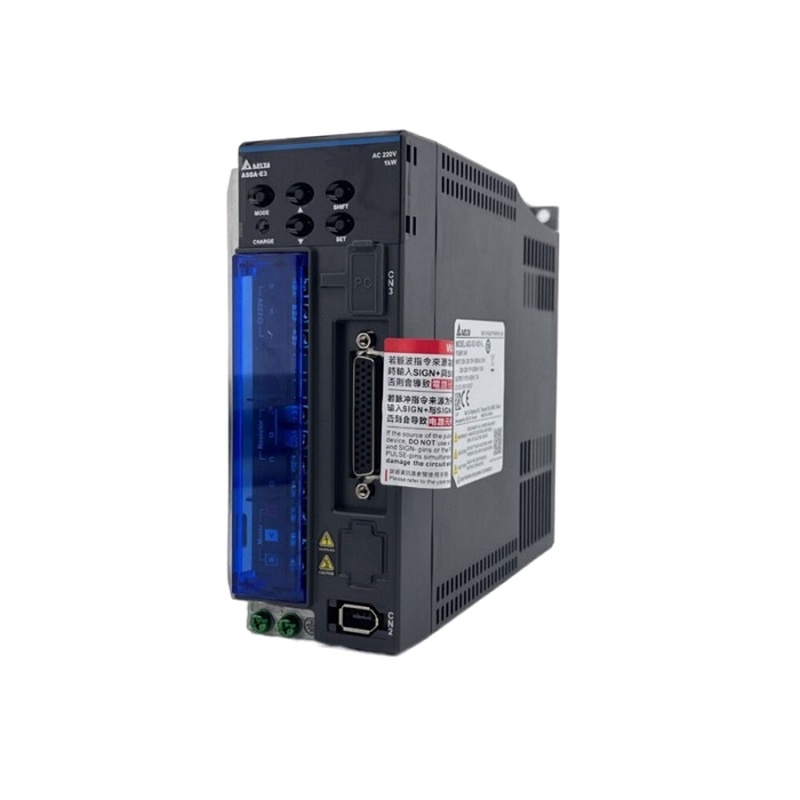













SIEMENS 6SL3710-7LG28-5AA3 SINAMICS S150 Converter Cabinet 75kW 690V Compact Regenerative AC-AC System C3 Filter


The SIEMENS 6SL3710-7 அல்ல28-5AA3 SINAMICS S150 converter cabinet is a high-performance, compact, regenerative AC-AC drive system designed for demanding industrial applications requiring precise motor control and energy efficiency. This 75kW, 690V system offers significant advantages, including seamless power regeneration to the grid, a built-in C3 filter for reduced electromagnetic interference, and robust construction for reliable operation. Its core features revolve around advanced control algorithms, flexible configuration, and simplified integration, positioning it as a leading solution for variable speed drives in various sectors.
Product Specifications
| Parameter | Value |
| :------------------------- | :-------------------------------------------- |
| Manufacturer | Siemens |
| Product Series | SINAMICS S150 |
| Model Number | 6SL3710-7LG28-5AA3 |
| Power Rating | 75 kW |
| Voltage | 690 V |
| System Type | Compact Regenerative AC-AC System |
| Filter | C3 Filter |
| Control Type | Vector Control, V/f Control |
| Protection Class | IP20 (typical for cabinet) |
| Dimensions (approximate) | Varies based on cabinet configuration |
| Cooling | Air cooling (integrated) |
| Communication Interfaces | PROFINET, PROFIBUS DP (optional) |
| Ambient Temperature Range | -10°C to +40°C (typical, consult datasheet) |
Core Features & Market Positioning
The SINAMICS S150 converter cabinet distinguishes itself through its inherent regenerative capability, allowing it to feed energy back into the supply network during deceleration or overhauling loads. This feature significantly enhances energy efficiency and reduces operational costs in applications with frequent speed variations. The integrated C3 filter plays a crucial role in minimizing harmonic distortion and electromagnetic interference (EMI), ensuring compliance with stringent industrial standards and protecting sensitive control systems. Its compact cabinet design simplifies installation and reduces footprint requirements, making it ideal for space-constrained environments. Siemens' established reputation for industrial automation and the SINAMICS platform's proven reliability further solidify its market position as a premium, robust solution for high-power drive applications.
Key Application Scenarios
The 6SL3710-7LG28-5AA3 SINAMICS S150 converter cabinet finds extensive use in industries demanding high power and precise control, such as material handling, printing and packaging machinery, and general industrial automation. Its regenerative capability is particularly advantageous in applications involving hoists, cranes, and elevators where loads are frequently lowered or braked. Furthermore, it is well-suited for centrifugal fans, pumps, and extruders that experience varying load conditions, optimizing energy consumption. The 690V rating makes it suitable for heavy-duty industrial environments that utilize higher distribution voltages.
Practical System Integration Guidance
Integrating the SIEMENS 6SL3710-7LG28-5AA3 SINAMICS S150 converter cabinet into an existing system involves careful consideration of power supply connections, motor cabling, and control network integration. Proper grounding and shielding of motor cables are essential to mitigate EMI, especially given the regenerative nature of the drive. Commissioning typically requires parameterization using Siemens' STARTER commissioning software, which allows for detailed configuration of motor data, control modes, and safety functions. Ensuring adequate ventilation within the cabinet and surrounding environment is critical for maintaining optimal operating temperatures and preventing thermal shutdowns. Consult the product manual for specific wiring diagrams and terminal assignments for both power and control signals.
Operation and Risk Mitigation
Safe operation of the SINAMICS S150 converter cabinet necessitates adherence to all safety guidelines outlined in the product documentation. Key operational considerations include monitoring drive temperatures, ensuring proper motor load matching, and understanding the behavior of regenerative braking. Common troubleshooting involves checking error codes displayed on the drive's HMI or within the commissioning software, which provide valuable insights into potential issues such as overcurrent, overvoltage, or motor faults. Implementing appropriate safety functions, like safe torque off (STO), is paramount for personnel protection during maintenance or emergency stop situations. Regular preventative maintenance, including checking connections and cleaning filters, helps mitigate risks and ensures long-term reliability.
Scalability & Long-Term Value
The SINAMICS S150 platform offers inherent scalability, allowing for integration with higher-level automation systems and digital solutions. Compatibility with various industrial communication protocols, such as PROFINET and PROFIBUS, facilitates seamless data exchange with PLCs and SCADA systems, supporting the development of Industrial Internet of Things (IIoT) architectures. The modular design of Siemens' drive systems often allows for future upgrades or expansions, ensuring that the investment in the SINAMICS S150 cabinet retains its long-term value. This adaptability enables businesses to enhance their automation capabilities and leverage data analytics for optimized performance and predictive maintenance strategies.
Frequently Asked Questions
What are the main advantages of the Siemens SINAMICS S150 converter cabinet?
The SINAMICS S150 excels in energy regeneration, returning power to the grid. It also features an integrated C3 filter for EMI reduction. Its compact design simplifies installation in various industrial settings.
This regenerative capability leads to significant operational cost savings. The C3 filter ensures compliance with strict industrial electromagnetic interference regulations. Its space-saving footprint is highly beneficial for modern manufacturing facilities.
The drive offers precise motor control for demanding applications. Its robust Siemens engineering ensures high reliability and longevity. These combined benefits make it a cost-effective and efficient drive solution.
How do I connect the 6SL3710-7LG28-5AA3 to my motor and power supply?
Refer to the official Siemens SINAMICS S150 manual for precise wiring diagrams. Ensure correct phase connections for both the motor and the incoming power supply (690V). Proper grounding of the cabinet and motor cables is crucial for safety and performance.
Utilize shielded motor cables to minimize electromagnetic interference. Connect control signals and communication interfaces according to the terminal layout specified in the documentation. Verify all connections before applying power to the system.
For high-power applications, ensure your power distribution system can handle the load. Consult with a qualified electrician or automation engineer for complex installations. Incorrect wiring can lead to equipment damage or safety hazards.
What are common error codes for the SINAMICS S150 and how do I troubleshoot them?
Siemens provides a comprehensive list of error codes in the SINAMICS S150 operating manual. Common codes relate to overcurrent, overvoltage, undervoltage, and motor faults. These codes are typically displayed on the drive's control panel or through commissioning software.
To troubleshoot, first identify the specific error code displayed. Then, consult the manual for the recommended corrective actions associated with that code. This might involve checking motor winding integrity, power supply stability, or internal drive components.
If the issue persists or the error code is unclear, contact Siemens technical support or a certified service partner. They can provide expert diagnosis and repair assistance. Never attempt internal repairs without proper training and safety precautions.
What is the role of the C3 filter in the SINAMICS S150 converter cabinet?
The C3 filter significantly reduces harmonic distortion injected into the power supply grid. It also suppresses electromagnetic interference (EMI) generated by the converter's switching operations. This ensures compliance with international EMC standards.
By filtering these disturbances, the C3 filter protects sensitive electronic equipment in the vicinity. It prevents interference with communication networks, control systems, and other critical machinery. This leads to a more stable and reliable industrial environment.
The integrated nature of the C3 filter simplifies system design and installation. It eliminates the need for external filter components, saving space and reducing complexity. This is a key advantage for compact drive solutions like the SINAMICS S150.
Can the Siemens 6SL3710-7LG28-5AA3 be used for dynamic braking or overhauling loads?
Yes, the SINAMICS S150 is a regenerative converter, meaning it can feed energy back into the supply. This capability inherently supports dynamic braking and handling overhauling loads efficiently. It does not require separate braking resistors for many applications.
When a motor decelerates or is driven by a load, the S150 actively converts this kinetic energy into electrical energy. This regenerated power is then sent back to the 690V supply network, improving overall system efficiency. This is ideal for cranes, elevators, and similar machinery.
For applications with very high or frequent overhauling, external braking components might still be considered, but the regenerative function is a primary feature. Proper parameterization is key to optimizing this regenerative capability for specific load profiles.
What communication protocols are supported by the SINAMICS S150 converter cabinet?
The SINAMICS S150 converter cabinet typically supports industrial Ethernet protocols like PROFINET. It can also be equipped with communication modules for PROFIBUS DP. These allow seamless integration into various automation networks.
PROFINET offers high-speed data exchange for real-time control and diagnostics. PROFIBUS DP is a robust fieldbus solution widely used in industrial automation for reliable communication. These protocols enable efficient data transfer between the drive and controllers.
The choice of communication protocol depends on the existing plant infrastructure and automation strategy. This flexibility allows the S150 to fit into diverse system architectures, from simple to complex IIoT-enabled environments.
How does the compact design of the SINAMICS S150 benefit an industrial installation?
The compact cabinet design minimizes the physical footprint required for installation. This is especially advantageous in facilities where space is limited or expensive. It allows for easier integration into existing control cabinets or modular plant layouts.
A smaller physical size can also lead to reduced installation costs. Less space typically means less supporting infrastructure, such as mounting hardware and cabling, is needed. It can also simplify access for maintenance and servicing.
The integrated nature of the S150, including power components and control, within a single cabinet reduces external wiring complexity. This streamlines the overall setup process and can shorten commissioning times.
What maintenance is recommended for the SIEMENS 6SL3710-7LG28-5AA3?
Regular visual inspections of the cabinet, checking for any signs of damage or loose connections, are recommended. Keep the ventilation openings clear of dust and debris to ensure adequate cooling. Periodic cleaning of the control panel and any external sensors should also be performed.
The main maintenance task often involves checking and cleaning air filters, if applicable to the specific cabinet configuration, to maintain optimal thermal performance. It's also wise to periodically review diagnostic logs for any recurring warning messages or minor faults that might indicate future issues.
Refer to the official Siemens maintenance manual for a detailed schedule and specific procedures. For internal component checks or complex troubleshooting, always engage qualified Siemens-certified technicians. Proper maintenance ensures longevity and operational reliability.
What is the typical ambient temperature range for operating this converter?
The typical operating ambient temperature range for the Siemens SINAMICS S150 converter cabinet is usually specified between -10°C and +40°C. However, this can vary slightly depending on the exact cabinet configuration and cooling system. Always consult the specific product datasheet for the precise range.
Operating the unit outside of the specified temperature range can lead to reduced performance, premature component failure, or even immediate shutdown due to thermal overload protection. Ensuring adequate ventilation and avoiding direct sunlight or heat sources is critical for staying within the operational limits.
For applications in extreme environments, special considerations such as enhanced cooling solutions or derating the drive's power output might be necessary. Planning for these environmental factors during the initial system design phase is essential for reliable operation.
How does the regenerative capability of the SINAMICS S150 contribute to energy savings?
The SINAMICS S150's regenerative function allows it to capture energy that would normally be dissipated as heat during braking or deceleration. This captured energy is then fed back into the electrical supply grid instead of being wasted. This direct return of energy to the power source significantly reduces overall energy consumption.
In applications with frequent speed changes, such as material handling or elevators, the energy savings can be substantial over time. By continuously recycling braking energy, the drive minimizes the need to draw power from the grid for acceleration, leading to lower electricity bills and a reduced carbon footprint.
This regenerative operation not only saves energy but also reduces thermal stress on the system, as external braking resistors are often not required or are used less frequently. This contributes to increased system lifespan and reduced maintenance requirements, further enhancing the economic benefits.