











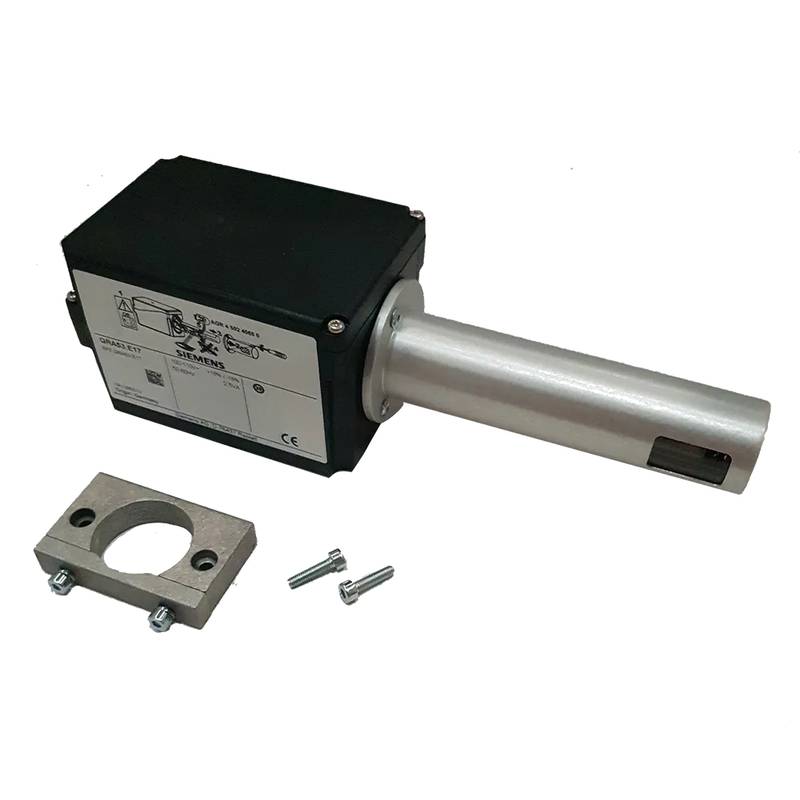
SIEMENS QRA75.A27 Ultraviolet Flame Sensor QRA75


The SIEMENS QRA75.A27 Ultraviolet Flame Sensor is a critical component for industrial combustion control systems, offering robust flame detection and ensuring safe and efficient operation. This sensor distinguishes itself through its rapid response time, high sensitivity to UV radiation emitted by flames, and its compact, durable design suitable for harsh industrial environments. Key technical parameters include its operating temperature range, typically from -40°C to +60°C, and its response time, often specified in milliseconds, ensuring immediate detection of flame failure. Its power consumption is minimal, and it is designed for reliable performance with various burner management systems. The QRA75.A27 is engineered to detect the ultraviolet radiation characteristic of gas and oil flames, providing a reliable signal to shut down fuel supply in the event of flameout.
Product Specifications
| Specification | Value |
| :------------------- | :---------------------------------------- |
| Detection Medium | Ultraviolet (UV) Radiation |
| Flame Type | Gas, Oil, and other fuel flames |
| Operating Temperature | -40°C to +60°C |
| Response Time | Typically < 100 ms |
| Voltage | 24 VAC / VDC |
| Current Consumption | Low |
| Protection Class | IP44 or higher |
| Connection | Screw terminals |
| Dimensions | Compact, specific dimensions vary |
| Certifications | CE, UL, CSA (region dependent) |
Core Features & Market Positioning
The SIEMENS QRA75.A27 capitalizes on advanced ultraviolet sensing technology, setting it apart in the crowded flame detector market. Its core advantage lies in its selective sensitivity to UV radiation, minimizing false ignitions caused by other heat sources like incandescent elements or glowing refractory materials. This specificity is crucial for maintaining burner stability and operational safety. The sensor's robust construction, often featuring a high-grade metal housing and a quartz glass lens, ensures longevity even in environments with significant dust, vibration, or temperature fluctuations. SIEMENS' reputation for quality and reliability further strengthens the QRA75.A27's market position as a trusted component for critical combustion processes. Its integration capabilities with SIEMENS burner control units, like the LMV series, offer a seamless and optimized solution for end-users.
Key Application Scenarios
The SIEMENS QRA75.A27 Ultraviolet Flame Sensor finds indispensable application across a spectrum of industrial heating processes. It is a staple in industrial boilers, furnaces, and thermal oxidizers where precise flame monitoring is paramount for safety and efficiency. Specific use cases include gas-fired power generation units, industrial ovens used in manufacturing, and process heaters in chemical plants. Its ability to detect the UV signature of flames makes it ideal for systems burning natural gas, propane, fuel oil, and even some waste gases. Furthermore, it is frequently deployed in large commercial heating systems to ensure the continuous and safe operation of their combustion equipment, preventing potential hazards associated with flame failure.
Practical System Integration Guidance
Integrating the SIEMENS QRA75.A27 Ultraviolet Flame Sensor into an existing combustion control system demands careful attention to detail. Typically, the sensor connects directly to the flame signal input terminals of a compatible burner management system (BMS) or flame amplifier. Wiring should adhere to the specifications outlined in the SIEMENS installation manual, ensuring proper polarity and secure connections to prevent signal interference or loss. For optimal performance, the sensor must be positioned to have a clear, unobstructed view of the flame. The mounting flange and sealing gasket are crucial for maintaining the integrity of the burner housing and preventing air leaks. Commissioning involves verifying the sensor's response to a stable flame and ensuring that the BMS correctly interprets the UV signal.
Operation and Risk Mitigation
The operation of the SIEMENS QRA75.A27 Ultraviolet Flame Sensor is based on detecting the characteristic ultraviolet emissions from a burning flame. When a flame is present, it emits UV radiation that impinges upon the sensor's internal UV-sensitive element, generating an electrical signal. This signal is then transmitted to the burner control system. If the flame is extinguished, the UV signal ceases, prompting the control system to initiate a safety shutdown sequence, thereby mitigating the risk of unburned fuel accumulation and potential explosions. A critical risk to mitigate is improper installation or sensor misalignment, which can lead to a lack of flame detection or false signals. Regular visual inspection of the sensor lens for cleanliness and checking its secure mounting are essential preventive measures.
Scalability & Long-Term Value
The SIEMENS QRA75.A27 Ultraviolet Flame Sensor offers significant long-term value through its compatibility and potential for integration within larger industrial automation frameworks. Its design principles often align with SIEMENS' broader portfolio of industrial control components, facilitating seamless upgrades or expansions of combustion control systems. For facilities moving towards Industry 4.0 initiatives, the QRA75.A27 can serve as a foundational element, with its data potentially being fed into SCADA or IIoT platforms for enhanced monitoring, predictive maintenance, and process optimization. While the sensor itself is a discrete component, its reliable performance and the robust support from SIEMENS ensure that systems utilizing it maintain a high level of operational integrity over extended periods, minimizing costly downtime.
Frequently Asked Questions
What is the primary function of the SIEMENS QRA75.A27?
The SIEMENS QRA75.A27 is designed to detect ultraviolet radiation emitted by flames. This allows industrial combustion systems to confirm the presence of a stable flame during operation. It is a crucial safety component in preventing dangerous situations.
This sensor provides a vital safety interlock for boilers, furnaces, and other combustion equipment. Its rapid response ensures that fuel is cut off swiftly if the flame goes out. This prevents fuel buildup and potential explosions.
The QRA75.A27's detection capability is specific to the UV spectrum, distinguishing it from other heat or light sources. This ensures reliable flame sensing in demanding industrial environments.
How is the SIEMENS QRA75.A27 installed?
Installation requires mounting the sensor in a location with a clear view of the flame. It connects electrically to a compatible burner management system or flame amplifier. Proper sealing of the mounting point is essential to maintain system integrity.
Adhering to SIEMENS' wiring diagrams is critical for correct signal transmission and avoiding interference. Secure connections and correct polarity prevent operational issues. Refer to the product manual for precise wiring instructions.
The sensor's housing and lens should be kept clean and free from obstructions. Correct positioning ensures optimal detection of the flame's UV signature. Environmental factors must also be considered during installation.
What are the typical failure modes for the SIEMENS QRA75.A27?
Common failure modes include contamination or damage to the UV-sensitive lens, leading to reduced sensitivity or complete signal loss. Electrical connection issues, such as loose wiring or corrosion, can also cause malfunctions. Environmental factors like excessive heat or vibration can degrade performance over time.
A dirty or obstructed lens is a frequent cause of poor performance, as it blocks the UV radiation from reaching the sensor element. Over time, the UV-sensitive components themselves can degrade, especially under constant exposure or extreme operating conditions. Inspecting and cleaning the lens regularly is key.
Incorrect electrical connections or wiring faults can lead to intermittent signals or a complete lack of output. Ensure the sensor is properly grounded and connected to the correct terminals on the burner control. Consult the manual for troubleshooting guides.
Can the SIEMENS QRA75.A27 detect different types of flames?
Yes, the SIEMENS QRA75.A27 is designed to detect the UV radiation emitted by various types of flames, including natural gas, propane, and fuel oil flames. Its sensitivity is tuned to this specific part of the electromagnetic spectrum.
The sensor's effectiveness depends on the flame producing sufficient UV output. While it covers most common industrial fuels, highly unusual combustion processes might require specialized flame detection methods. Consult SIEMENS for specific fuel compatibility.
Its core strength is identifying the UV signature common to combustion, making it versatile across many industrial heating applications. The technology provides a reliable flame confirmation signal for diverse fuel sources.
What technical specifications are most important for the SIEMENS QRA75.A27?
Key specifications include its operating temperature range, typically -40°C to +60°C, and its rapid response time, usually under 100 milliseconds, ensuring swift flame detection. Power requirements, such as 24 VAC/VDC, and its IP protection rating are also critical.
The wavelength sensitivity is paramount, as the QRA75.A27 specifically targets ultraviolet radiation. Understanding its field of view and mounting requirements ensures proper flame observation. These details dictate its suitability for specific burner designs.
The sensor's output signal type and its compatibility with burner management systems are essential for successful integration. Ensure its electrical characteristics match the control panel it will be connected to.
How does the SIEMENS QRA75.A27 differentiate from other flame sensors?
The QRA75.A27 differentiates through its reliance on ultraviolet flame detection, which is highly sensitive and less prone to false calls from heat or visible light. Its robust construction is engineered for harsh industrial settings. SIEMENS' established reputation adds to its market differentiation.
Compared to flame rods (which detect electrical conductivity) or infrared sensors, UV sensors like the QRA75.A27 offer a distinct detection mechanism. This UV specificity is often preferred for certain fuel types or combustion dynamics.
Its specific technical design, including response time and sensitivity curves, is optimized for a wide range of industrial combustion applications, providing a reliable and efficient flame signal.
What are the safety implications of using the SIEMENS QRA75.A27?
The primary safety implication is its role in preventing hazardous conditions by confirming flame presence and triggering shutdowns upon flame failure. This mitigates risks of fuel accumulation and potential explosions. It's a critical safeguard in combustion processes.
Proper functioning of the QRA75.A27 is essential for the overall safety interlock system of industrial burners. Failure to detect flame loss can lead to serious incidents, highlighting the need for regular maintenance and testing.
Its reliable operation ensures that fuel is only supplied when a flame is established, adhering to stringent industrial safety standards. This contributes significantly to the safe operation of boilers and furnaces.
How does the SIEMENS QRA75.A27 integrate with burner management systems?
The QRA75.A27 typically connects to a dedicated flame amplifier or directly to the flame signal input of a burner management system (BMS). The BMS interprets the sensor's signal to determine flame status. Proper wiring and configuration are essential.
The output signal from the QRA75.A27 is processed by the BMS, which then takes appropriate action, such as continuing fuel flow or initiating a shutdown sequence. Understanding the BMS logic is key to successful integration.
Compatibility is crucial; the QRA75.A27 is often designed to work seamlessly with SIEMENS' own range of burner control equipment, like the LMV series, ensuring optimal performance and reliability.
What maintenance is required for the SIEMENS QRA75.A27?
Regular visual inspection of the sensor's lens for dirt, soot, or damage is essential. Cleaning the lens with a soft, lint-free cloth is usually sufficient. Periodic functional testing of the sensor with the burner system is also recommended.
Ensure the sensor's electrical connections remain clean and secure to prevent signal degradation or intermittent faults. Check for any signs of physical damage to the sensor housing or mounting.
Follow manufacturer guidelines for any scheduled maintenance or replacement intervals. While generally robust, like any industrial component, it benefits from routine checks to ensure continued optimal performance.
Where can I find the detailed technical manual for the SIEMENS QRA75.A27?
Detailed technical manuals and installation guides for the SIEMENS QRA75.A27 are typically available on the official SIEMENS Industry Automation or Building Technologies websites. You can also often find them through authorized SIEMENS distributors.
Searching the SIEMENS support portal or product pages using the exact model number "SIEMENS QRA75.A27" will usually yield direct links to PDF documentation. These manuals contain comprehensive specifications, wiring diagrams, and troubleshooting information.
For specific application queries or if direct downloads are not readily accessible, contacting SIEMENS technical support or your regional SIEMENS sales representative is a reliable way to obtain the necessary documentation.