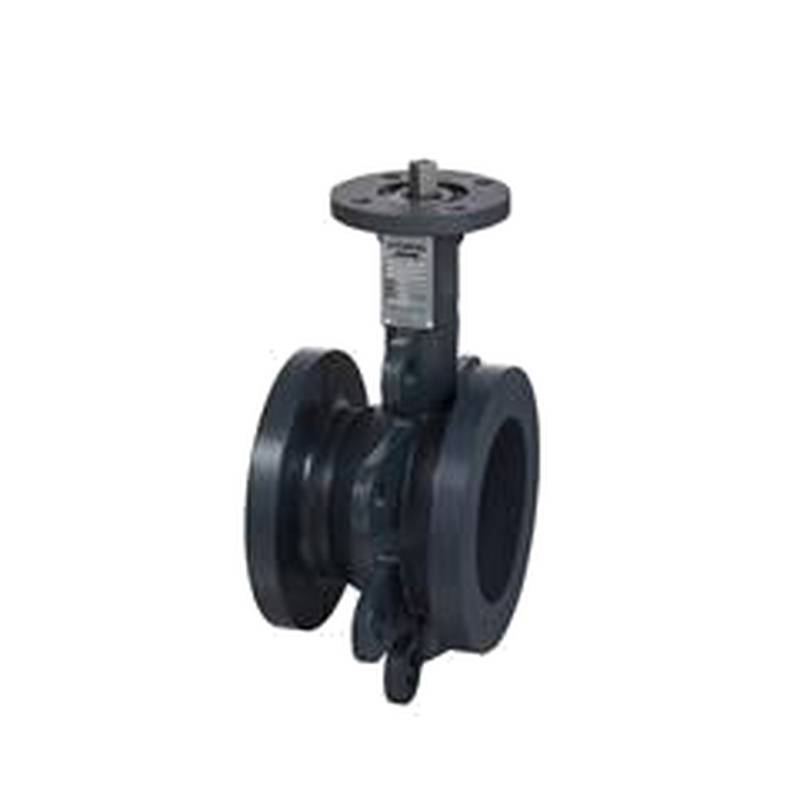













SIEMENS VKP40.50H High Flow Butterfly Valve DN50


The SIEMENS VKP40.50H High Flow Butterfly Valve DN50 stands as a robust solution for precise fluid control in demanding industrial environments. This valve excels through its superior flow characteristics, enhanced sealing capabilities, and durable construction, making it ideal for applications requiring high volume throughput and reliable shut-off. Key technical parameters include a nominal diameter (DN) of 50, a high flow coefficient (Kv) for efficient fluid handling, and operational temperature ranges suitable for various process conditions. Its advanced actuation mechanism ensures responsive and accurate positioning, critical for maintaining optimal process parameters.
Product Specifications
| Feature | Specification |
| :---------------------- | :------------------------------------------ |
| Product Type | High Flow Butterfly Valve |
| Manufacturer | SIEMENS |
| Model | VKP40.50H |
| Nominal Diameter (DN) | 50 |
| Flow Coefficient (Kv) | Typically high for DN50; precise value to be confirmed via specific datasheet |
| Connection Type | Flanged |
| Actuation Type | Electric or Pneumatic (model dependent) |
| Body Material | Cast Iron / Ductile Iron (common options) |
| Disc Material | Stainless Steel / Coated Steel |
| Seat Material | EPDM / NBR (application dependent) |
| Operating Temperature | Varies based on materials; typically -10°C to 120°C |
| Pressure Rating | PN16 / PN25 (common for this size) |
Core Features & Market Positioning
The SIEMENS VKP40.50H differentiates itself with its optimized disc geometry, engineered to minimize pressure drop and maximize flow capacity, a critical advantage in high-throughput systems. This high flow characteristic directly translates to energy savings and increased process efficiency for users. The valve's robust construction, often featuring cast iron or ductile iron bodies with corrosion-resistant disc materials, ensures longevity even in aggressive media. Market positioning for the VKP40.50H is firmly within the segment of high-performance industrial valves where reliability, precise control, and extended service life are paramount. Its integration capabilities with SIEMENS automation platforms further solidify its value proposition for plant operators seeking seamless system integration and advanced control functionalities.
Key Application Scenarios
This high flow butterfly valve finds extensive use in water treatment plants, managing the flow of potable and wastewater effectively. In the chemical processing industry, it is employed for controlling the flow of various liquids and slurries, where its material compatibility and precise throttling are essential. The VKP40.50H is also a common choice in HVAC systems for large-scale climate control and in the power generation sector for managing cooling water circuits. Its suitability for high flow rates makes it a prime candidate for applications demanding rapid filling or emptying of tanks and pipelines.
Practical System Integration Guidance
Integration of the SIEMENS VKP40.50H typically involves flanged connections conforming to international standards like ISO or DIN, ensuring straightforward installation within existing pipework. For actuated versions, electrical wiring will depend on the specific actuator model; standard protocols such as Modbus or PROFIBUS may be employed for digital communication and remote control, requiring adherence to the manufacturer's wiring diagrams for safety and correct function. Commissioning involves verifying actuator stroke, setting control limits, and performing functional tests to ensure the valve responds accurately to control signals. Proper sealing gasket selection based on the fluid medium and operating temperature is crucial during installation to prevent leaks.
Operation and Risk Mitigation
Safe operation of the SIEMENS VKP40.50H requires adherence to the specified pressure and temperature limits to prevent component failure. Regular inspection of the valve seat and disc for wear or damage is recommended, particularly in abrasive service. Proper maintenance, including lubrication of moving parts if applicable and periodic testing of the actuator's responsiveness, ensures optimal performance and prevents unexpected operational issues. In case of actuator failure or loss of control signal, fail-safe positions (e.g., fully open or closed) should be considered during system design to mitigate potential process disruptions or safety hazards.
Scalability & Long-Term Value
The SIEMENS VKP40.50H is designed for integration within broader automation architectures, offering scalability for future plant expansions. Its compatibility with SIEMENS’ extensive portfolio of PLCs, HMI devices, and industrial communication networks allows for seamless incorporation into both new and existing control systems. This integration facilitates advanced process monitoring, diagnostics, and data logging, crucial for IIoT initiatives and predictive maintenance strategies. The robust construction and availability of spare parts contribute to the valve's long-term value, minimizing lifecycle costs and ensuring sustained operational reliability.
Frequently Asked Questions
What is the maximum operating pressure for the SIEMENS VKP40.50H DN50?
The maximum operating pressure depends on the specific flange rating and seat material chosen for the VKP40.50H. Common ratings include PN16 and PN25.
Always consult the official product datasheet for the precise pressure-temperature derating curves applicable to your specific configuration. This ensures safe and reliable operation within designed parameters.
How do I select the correct seat material for my application?
Seat material selection is critical and depends on the fluid's chemical compatibility, temperature, and pressure. For general water and mild chemicals, EPDM is often suitable.
For oil-based fluids or higher temperatures, NBR might be preferred, while Viton or PTFE seats offer broader chemical resistance for more aggressive media.
Can the SIEMENS VKP40.50H be used for throttling or only shut-off?
The VKP40.50H is designed for both precise throttling control and reliable shut-off applications. Its optimized disc profile ensures good control characteristics across a significant portion of its operating range.
This makes it versatile for processes requiring fine adjustments to flow rates, as well as for applications where a tight seal is necessary to stop flow completely.
What is the typical Kv value for a DN50 butterfly valve like the VKP40.50H?
The Kv value for a DN50 butterfly valve can vary based on the disc design and the valve's internal geometry. A high-flow design like the VKP40.50H would generally offer a higher Kv than standard butterfly valves.
While exact figures require the specific product datasheet, a DN50 valve in a high-flow configuration can typically achieve Kv values well over 300 m³/h, contributing to efficient fluid dynamics.
What type of actuator is commonly paired with the SIEMENS VKP40.50H?
The SIEMENS VKP40.50H can be equipped with either electric or pneumatic actuators, depending on the control system requirements and available utilities. Electric actuators offer precise digital control and positioning feedback.
Pneumatic actuators are often chosen for their fast response times and suitability in hazardous environments where electrical equipment might be a concern.
How is the SIEMENS VKP40.50H installed in a pipeline?
Installation involves centering the valve between two flanges on the pipeline and securing it with bolts that pass through the valve's body and the flanges. Gaskets are used on either side of the valve to ensure a leak-tight seal.
Ensure the pipeline is properly supported to avoid undue stress on the valve body. Always check the flange type and pressure class match the valve's specifications before installation.
What are the advantages of a high flow butterfly valve over a standard one?
A high flow butterfly valve, like the VKP40.50H, features a disc design optimized to reduce flow resistance. This results in a higher Kv value, meaning more fluid can pass through the valve for a given pressure drop.
This enhanced flow capacity leads to reduced energy consumption, increased process throughput, and potentially smaller pump sizes required for the system.
Does the VKP40.50H support digital communication protocols?
Yes, when equipped with appropriate intelligent actuators, the SIEMENS VKP40.50H can support various digital communication protocols. These can include PROFIBUS, PROFINET, or Modbus TCP/IP.
This enables seamless integration into modern industrial automation systems for remote monitoring, diagnostics, and advanced control strategies, facilitating Industry 4.0 applications.
What maintenance is typically required for this valve?
Regular visual inspections for leaks, corrosion, or physical damage are essential. Depending on the actuator type, electrical connections or pneumatic lines should be checked periodically.
Actuator functional tests and, if applicable, lubrication of stem seals or moving parts can extend the valve's service life and ensure reliable operation.
What is the typical flange standard for the SIEMENS VKP40.50H DN50?
The SIEMENS VKP40.50H DN50 is typically supplied with flanges conforming to international standards such as ISO PN16/PN25 or DIN EN 1092-1. This ensures compatibility with a wide range of industrial piping systems.
Always verify the specific flange standard and pressure rating indicated on the valve or its documentation to ensure correct mating with pipeline flanges.