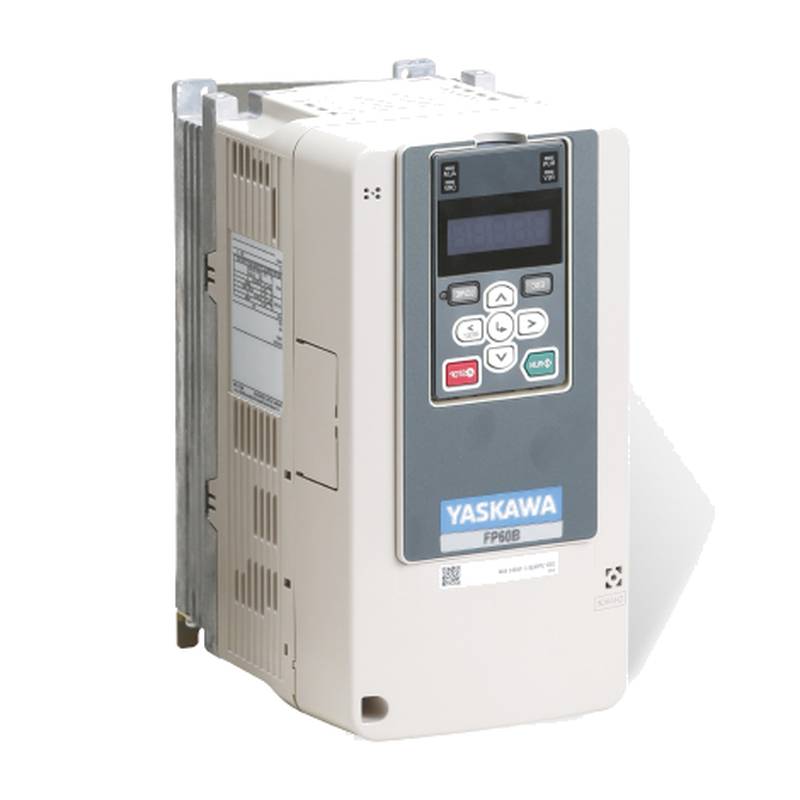












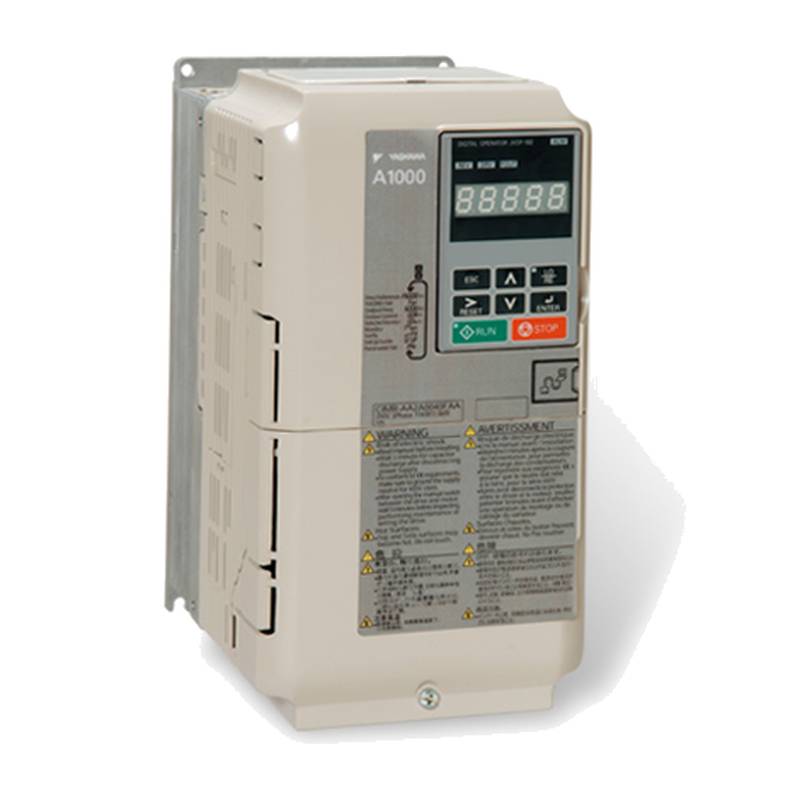
YASKAWA AB4A0011FBA A1000 Multi-function High Performance Universal VFD 8.8A 3.7kW


The YASKAWA A1000 (AB4A0011FBA) is a multi-function, high-performance universal Variable Frequency Drive (VFD) designed for demanding industrial applications. This 3.7kW, 8.8A drive excels in providing precise motor control and energy savings across a wide range of machinery. Key advantages include its robust design, advanced control algorithms, and user-friendly interface, making it a preferred choice for HVAC, pump, fan, and general machinery applications requiring reliable and efficient operation. The A1000 boasts a compact footprint, integrated harmonic suppression, and advanced communication options, positioning it as a leading solution for modern industrial automation.
Product Specifications
| Feature | Specification |
| :---------------------- | :--------------------------------- |
| Model Number | YASKAWA AB4A0011FBA |
| Series | A1000 |
| Power Rating | 3.7 kW |
| Output Current | 8.8 A |
| Input Voltage | 3-Phase, 200-240V AC (or 400-480V AC depending on sub-model, verify specific unit) |
| Output Frequency | 0.01 to 400 Hz |
| Overload Capacity | 150% for 60 seconds |
| Control Method | V/f, Vector Control (Open Loop) |
| Protection Rating | IP20 (Standard) |
| Dimensions (H x W x D) | Varies by frame size, consult datasheet |
| Operating Temperature | -10°C to 50°C (derating may apply) |
Core Features & Market Positioning
The YASKAWA A1000 series, exemplified by the AB4A0011FBA model, distinguishes itself through its superior performance and versatility. Its advanced V/f and open-loop vector control capabilities ensure excellent speed and torque regulation, crucial for applications demanding dynamic response. The integrated transient suppression technology and optional output filters minimize electrical noise, protecting sensitive equipment and ensuring reliable operation in challenging environments. YASKAWA's reputation for robust engineering and long-term reliability further solidifies the A1000's market position as a premium, dependable solution for critical industrial processes. This VFD is engineered to enhance operational efficiency and reduce maintenance costs, offering a strong return on investment.
Key Application Scenarios
The YASKAWA A1000 (AB4A0011FBA) is ideally suited for a broad spectrum of industrial applications where precise motor control and energy efficiency are paramount. Its multi-functionality makes it an excellent choice for variable torque applications such as centrifugal pumps and fans, where it can significantly reduce energy consumption through speed modulation. In the manufacturing sector, it is widely deployed for conveyor systems, machine tools, and material handling equipment, providing smooth acceleration and deceleration for improved product quality and reduced mechanical stress. For HVAC systems, the A1000 offers precise climate control, optimizing comfort and energy usage in commercial buildings. Its robust construction also allows for deployment in harsher environments within process industries.
Practical System Integration Guidance
Integrating the YASKAWA A1000 (AB4A0011FBA) into existing systems is streamlined due to its user-friendly design and comprehensive documentation. Proper wiring is critical; ensure the power supply is correctly connected to the input terminals, observing correct phase sequence. Motor connections should be made to the output terminals, ensuring adequate conductor sizing and grounding. For optimal performance, it is recommended to use shielded motor cables to minimize electromagnetic interference. Parameter setup can be achieved via the integrated keypad or through YASKAWA's Drive Wizard software. Basic commissioning involves setting motor nameplate data, desired acceleration/deceleration times, and target frequency. Advanced configurations can be implemented for closed-loop control with feedback devices or for integration into network communication systems using optional communication cards.
Operation and Risk Mitigation
Operating the YASKAWA A1000 (AB4A0011FBA) requires adherence to safety protocols to prevent hazards. Always ensure the VFD is powered down and discharged before performing any wiring or maintenance. Utilize the drive's built-in protection features, such as overload, overvoltage, and undervoltage protection, by setting appropriate parameters. Common fault codes, such as "OC" (Overcurrent) or "OV" (Overvoltage), often indicate motor issues, incorrect parameter settings, or power supply problems. Referencing the A1000 user manual for specific fault code explanations and troubleshooting steps is crucial for swift resolution and minimizing downtime. Regular inspection of connections and cooling vents ensures optimal performance and longevity.
Scalability & Long-Term Value
The YASKAWA A1000 (AB4A0011FBA) offers significant scalability and long-term value, making it a strategic investment for evolving industrial needs. Its modular design supports various optional communication cards (e.g., Modbus, Profibus, EtherNet/IP), enabling seamless integration into advanced automation networks and the Industrial Internet of Things (IIoT). This compatibility allows for remote monitoring, diagnostics, and control, aligning with Industry 4.0 initiatives. Furthermore, the A1000 series is designed for backward compatibility with YASKAWA's established product lines, simplifying upgrades and ensuring continued support. The inherent reliability and energy-saving capabilities of the A1000 contribute to a reduced total cost of ownership over its extended operational lifespan.
Frequently Asked Questions (FAQs)
Q1: What is the primary function of the YASKAWA A1000 VFD?
The YASKAWA A1000 VFD's main role is to control the speed of AC electric motors. It achieves this by varying the frequency and voltage supplied to the motor.
This precise control allows for significant energy savings, especially in applications with variable loads. The AB4A0011FBA model offers advanced features for enhanced motor performance.
It's a versatile drive used across many industries for applications like pumps, fans, and conveyors.
Q2: How do I perform basic parameter setup on the YASKAWA AB4A0011FBA?
Basic setup involves entering the motor's nameplate data into the VFD. This includes voltage, frequency, current, and RPM.
Next, configure the desired acceleration and deceleration times for smooth motor starts and stops. Set the maximum frequency the motor should reach.
Refer to the A1000 manual for specific parameter numbers and a step-by-step guide.
Q3: What are common applications for the YASKAWA A1000 3.7kW VFD?
This VFD is excellent for HVAC systems, controlling fans and pumps to optimize airflow and water pressure. It's also used in manufacturing for conveyor systems and machine tools.
Material handling equipment benefits from the precise speed control for smoother operation and reduced wear. Process industries utilize it for various machinery requiring adjustable speed.
Its 3.7kW power rating makes it suitable for medium-duty industrial applications where efficiency is key.
Q4: Can the YASKAWA A1000 be used for open-loop vector control?
Yes, the YASKAWA A1000 series supports open-loop vector control for improved torque performance. This mode offers better speed regulation than standard V/f control.
Open-loop vector control is beneficial for applications requiring more precise speed response without a motor encoder. It enhances dynamic performance.
Ensure motor parameters are accurately programmed for optimal results with open-loop vector mode.
Q5: What are the input power requirements for the AB4A0011FBA model?
The YASKAWA AB4A0011FBA is typically a 3-phase VFD. It operates on a 200-240V AC input voltage range.
Always verify the specific sub-model or datasheet to confirm exact input voltage compatibility for your region. Ensure your power supply matches the drive's requirements.
Correct input power connection is essential for preventing damage to the drive and ensuring reliable operation.
Q6: How does the A1000 VFD contribute to energy savings?
By precisely controlling motor speed based on demand, the A1000 significantly reduces energy consumption. This is particularly effective for variable torque loads like pumps and fans.
Instead of running motors at full speed constantly, the VFD slows them down when less output is needed, saving electricity. It also optimizes motor efficiency across a range of speeds.
This energy efficiency translates directly into lower operating costs and a reduced carbon footprint.
Q7: What is the output current rating of the YASKAWA AB4A0011FBA?
The YASKAWA AB4A0011FBA has a continuous output current rating of 8.8 Amps. This rating is crucial for selecting the correct VFD for a specific motor.
This current rating ensures the drive can safely and reliably power motors up to its specified 3.7kW power output. It should be matched with the motor's full load amps (FLA).
Ensure your motor's FLA does not exceed the VFD's continuous current rating for normal operation.
Q8: Does the YASKAWA A1000 have built-in harmonic suppression?
Yes, the YASKAWA A1000 series often includes built-in harmonic suppression features. These help reduce harmonic distortion fed back into the power line.
This feature is important for meeting power quality regulations and preventing interference with other electrical equipment. It contributes to a cleaner power system.
Check the product specifications for the AB4A0011FBA model to confirm the specific harmonic mitigation technologies employed.
Q9: How do I troubleshoot an "OC" fault on the YASKAWA A1000?
An "OC" fault indicates an Overcurrent condition. This usually means the motor is drawing too much current.
Possible causes include an overloaded motor, incorrect parameter settings (e.g., acceleration time too short), or a motor short circuit. Check the motor load and settings.
Verify motor wiring and ensure the motor is not mechanically jammed. Refer to the manual for specific troubleshooting steps.
Q10: Can the YASKAWA A1000 be integrated into an IIoT network?
Yes, the YASKAWA A1000 VFD is designed for IIoT integration. It supports various optional communication network cards.
These cards allow the drive to communicate with PLCs, SCADA systems, and cloud-based platforms. This enables remote monitoring and data analysis.
Integration into an IIoT network facilitates predictive maintenance and optimizes overall plant efficiency.