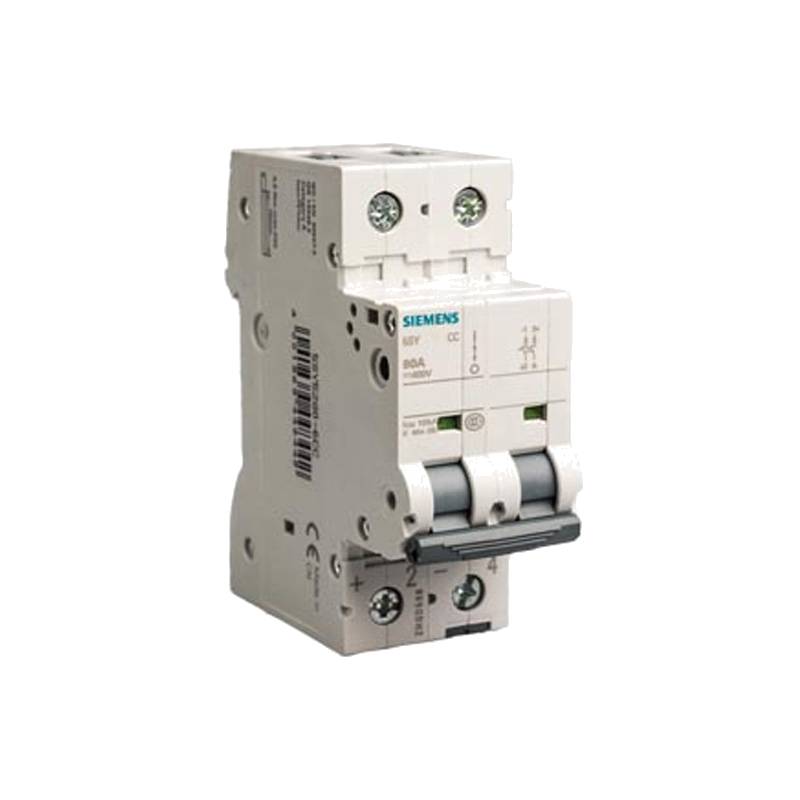












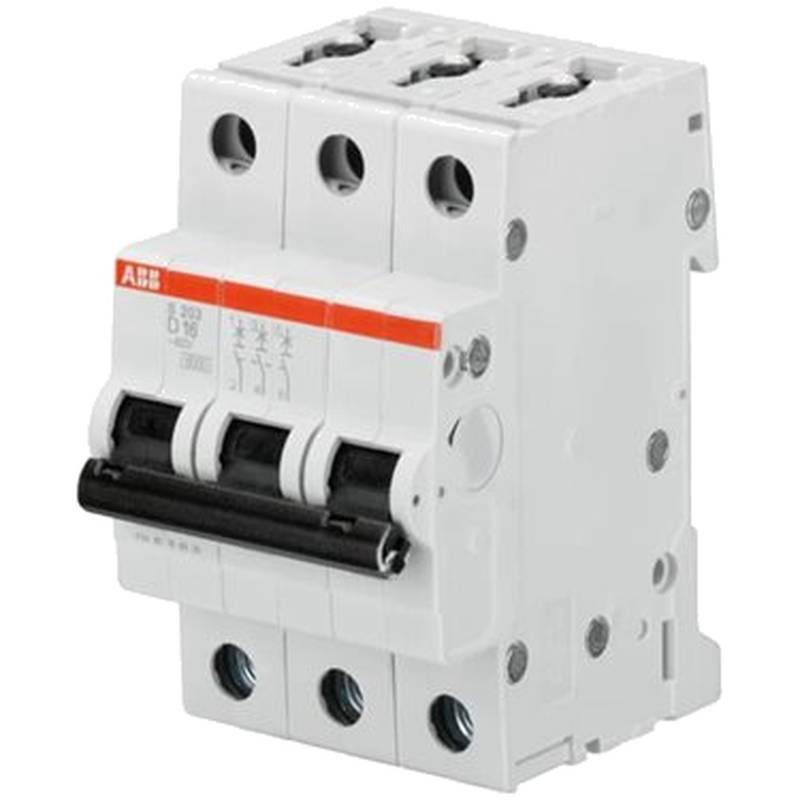
ABB S203-D16 16A Industrial D Curve Protection 3P


The ABB S203-D16 16A Industrial D Curve Protection 3P is a robust circuit breaker designed for demanding industrial environments, offering superior protection against overloads and short circuits. Its D-curve tripping characteristic makes it ideal for circuits with high inrush currents, such as those powering motors and transformers. This three-pole breaker ensures reliable power distribution and safety in complex electrical systems.
| Specification | Value |
| :---------------------- | :------------------------------------- |
| Product Name | S203-D16 |
| Rated Current | 16 A |
| Tripping Curve | D |
| Number of Poles | 3 |
| Rated Voltage (AC) | 400 V |
| Breaking Capacity (Icn) | 6 kA |
| Frequency | 50/60 Hz |
| Terminal Type | Screw terminal |
| Mounting Type | DIN rail (35 mm) |
| Protection Class | IP20 |
| Operating Temperature | -25 to +55 °C |
| Standards | IEC/EN 60898-1, IEC/EN 60947-2 |
Core Features & Market Positioning
The ABB S203-D16 distinguishes itself through its D-curve tripping characteristic, a critical feature for industrial applications involving inductive loads. This design ensures that the breaker will not trip during normal motor start-up or transformer energization, which can involve temporary inrush currents significantly higher than the rated current. Unlike B or C curve breakers, the D-curve provides a wider margin, preventing nuisance tripping and maintaining operational continuity. Its robust construction and adherence to stringent IEC/EN standards underscore ABB's commitment to safety and reliability in the industrial sector, positioning the S203-D16 as a preferred choice for engineers demanding high performance and dependable protection for critical equipment.
Key Application Scenarios
This industrial circuit breaker is specifically engineered for protecting electrical installations that feature high inductive loads. Common applications include the safeguarding of electric motors, particularly in manufacturing, material handling, and pumping systems where large inrush currents are a given during startup. It is also well-suited for protecting transformers, which exhibit similar energization current surges. Furthermore, the ABB S203-D16 finds extensive use in power distribution panels for heavy machinery, industrial automation systems, and any scenario requiring reliable protection against overcurrents in three-phase electrical networks with demanding load characteristics.
Practical System Integration Guidance
Integrating the ABB S203-D16 into an industrial electrical system is straightforward due to its standard DIN rail mounting. Ensure that the main incoming power supply is de-energized before proceeding with installation. Connect the incoming phase conductors to the upper terminals of the breaker and the outgoing load conductors to the lower terminals, ensuring correct phase rotation for three-phase applications. The secure screw terminals accommodate appropriate conductor sizes, typically specified by local electrical codes and the load requirements. Proper grounding of the system and the enclosure housing the breaker is paramount for safety. Commissioning involves carefully re-energizing the circuit and monitoring for any anomalies under load.
Operation and Risk Mitigation
The primary function of the ABB S203-D16 is to protect electrical circuits from damage caused by overcurrents. It operates by detecting excessive current flow—either from sustained overloads or sudden short circuits—and interrupting the circuit to prevent equipment failure and fire hazards. In the event of an overload, the thermal trip unit activates, causing a delayed trip. For short circuits, the magnetic trip unit provides a near-instantaneous response. To mitigate risks, always ensure the breaker's rated current and breaking capacity are appropriate for the circuit it protects. Regularly inspect connections for tightness and signs of overheating. If the breaker trips frequently, investigate the cause (e.g., an overloaded circuit, a failing motor) rather than simply resetting it without proper diagnosis.
Scalability & Long-Term Value
The ABB S203-D16 offers excellent long-term value through its robust design and compatibility within the broader ABB product ecosystem. While circuit breakers themselves are typically fixed-rating devices, their integration into modular switchboard systems allows for straightforward replacement or upgrading if system requirements change. Its adherence to universal standards ensures compatibility with a wide range of other protective and control devices from various manufacturers, facilitating system expansion or modernization. For facilities moving towards Industry 4.0, this breaker can be part of a larger smart grid or industrial control system, where monitoring and remote control capabilities can be added through compatible meters and communication gateways, enhancing operational efficiency and predictive maintenance.
Frequently Asked Questions (FAQs)
What is a D-curve circuit breaker?
A D-curve breaker offers enhanced protection against high inrush currents. It is specifically designed for inductive loads like motors and transformers. This curve allows for temporary current surges without tripping.
What are the advantages of the D-curve compared to B or C curves?
The D-curve can handle significantly higher inrush currents than B or C curves. This prevents nuisance tripping during motor startups. It ensures operational continuity for loads with high starting demands.
Can the ABB S203-D16 be used for domestic applications?
No, the S203-D16 is an industrial-grade breaker. Its D-curve is generally not suitable for standard domestic circuits. For homes, B or C curve breakers are typically recommended.
What is the breaking capacity of the ABB S203-D16?
The breaking capacity (Icn) of the S203-D16 is 6 kA. This indicates its ability to safely interrupt fault currents up to 6,000 amperes. It's crucial for ensuring safety in industrial fault scenarios.
How do I install the ABB S203-D16?
Ensure the power is off before installation. Mount the breaker on a 35mm DIN rail. Connect incoming power to the top terminals and outgoing load wires to the bottom terminals.
What are the recommended applications for this specific breaker?
This breaker is ideal for protecting electric motors, transformers, and other equipment with high starting currents. It is designed for industrial three-phase power distribution.
What is the rated current of the ABB S203-D16?
The rated current for this specific model is 16 Ampere (16A). This signifies the maximum continuous current it can safely carry. It's important to match this to your circuit's load requirements.
What technical standards does the ABB S203-D16 comply with?
It complies with IEC/EN 60898-1 and IEC/EN 60947-2 standards. These ensure its performance, safety, and reliability in electrical installations.
How does the D-curve help prevent nuisance tripping?
The D-curve has a higher magnetic trip point, typically 10 to 20 times the rated current. This allows for the large, but brief, surge of current when inductive loads like motors start up.
What should I do if the ABB S203-D16 trips frequently?
A tripped breaker indicates an issue. First, de-energize the circuit. Check for overloads or short circuits. If the problem persists, consult a qualified electrician for diagnosis.