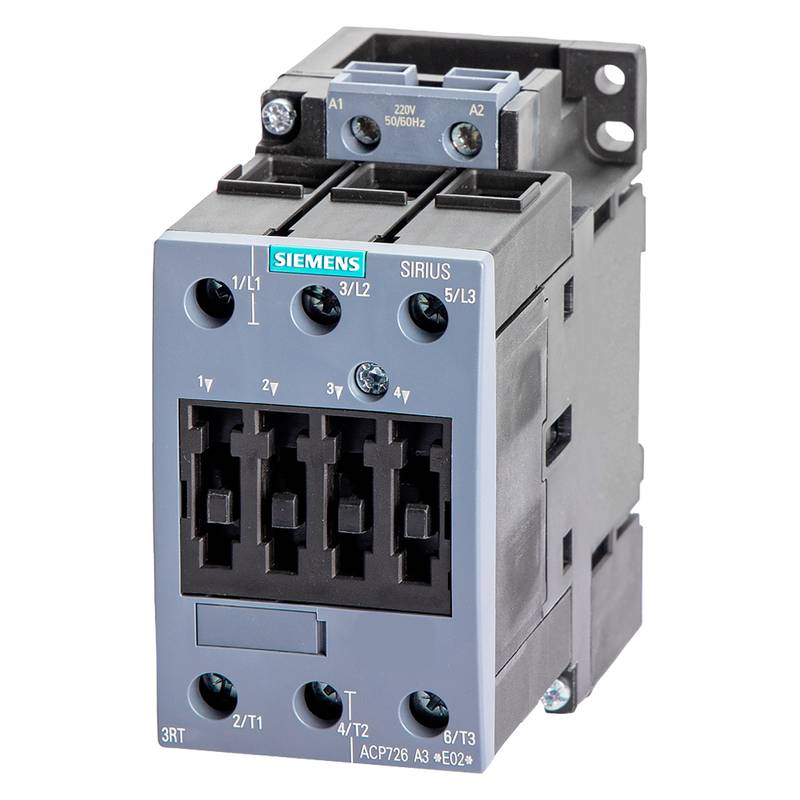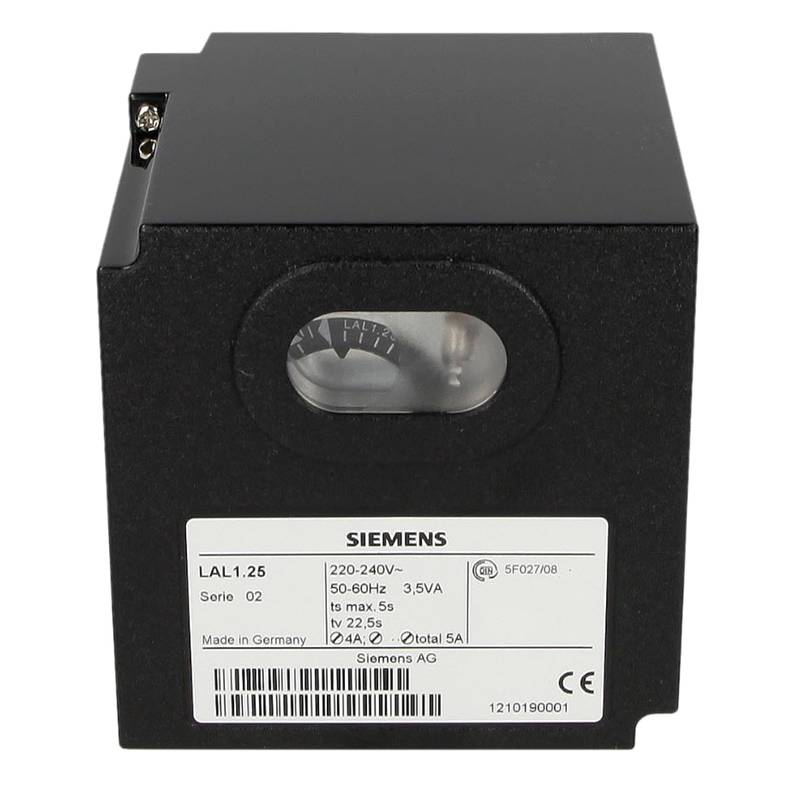
SIEMENS LFL1.335 Multi-Stage Burner Control LFL1.335


The Siemens LFL1.335 multi-stage burner control is a sophisticated automation solution designed for robust and reliable operation of industrial combustion systems. This unit excels in managing multi-stage burners, offering enhanced control over combustion processes for improved efficiency and safety. Its core advantages lie in its advanced diagnostic capabilities, flexible configuration options, and adherence to stringent safety standards. Key technical parameters include its operation within a voltage range of AC 230 V, a frequency of 50/60 Hz, and an ambient operating temperature range of -20 to +60 °C, making it suitable for demanding industrial environments. The LFL1.335 is engineered for precision, ensuring optimal fuel-air mixture control and flame monitoring for single or multi-stage burners.
Product Specifications
| Feature | Specification |
| :----------------------- | :----------------444------------------------ |
| Product Type | Multi-Stage Burner Control |
| Manufacturer | Siemens |
| Model Number | LFL1.335 |
| Power Supply | AC 230 V |
| Frequency | 50/60 Hz |
| Ambient Operating Temp. | -20 to +60 °C |
| Ignition Type | Direct Ignition |
| Burner Stages | Multi-stage |
| Flame Monitoring | Ionization / UV |
| Safety Shut-off Time | Typically < 1 second |
| Protection Rating | IP 40 |
Core Features & Market Positioning
The Siemens LFL1.335 stands out in the industrial burner control market due to its robust construction and intelligent flame monitoring system, which can utilize ionization or UV sensors for comprehensive flame detection. This dual-option capability allows for adaptability to various fuel types and operating conditions, a significant differentiator from single-monitoring systems. Its multi-stage control logic enables precise management of burner output, leading to optimized fuel consumption and reduced emissions, positioning it as an efficient and environmentally conscious choice for industrial applications. The unit's inherent reliability and long service life are hallmarks of Siemens' industrial automation portfolio, making the LFL1.335 a trusted component in critical combustion processes.
Key Application Scenarios
This burner control is ideally suited for a wide array of industrial heating applications, including process heaters, large boilers, and industrial furnaces where precise and safe control of multi-stage burners is paramount. Its ability to manage sequential burner staging ensures efficient heat delivery across varying load demands, making it a valuable component in manufacturing facilities, power generation plants, and commercial heating systems. The LFL1.335's robust design and environmental resilience also make it appropriate for use in challenging locations where temperature extremes or dust are prevalent.
Practical System Integration Guidance
Integrating the Siemens LFL1.335 requires careful attention to wiring and safety interlocks. The unit typically connects to flame detectors, ignition transformers, fuel valves, and fan controls. Proper grounding and electrical isolation are crucial for safe operation and to prevent signal interference. Detailed wiring diagrams are provided in the manufacturer's technical documentation, and it is essential to follow these precisely. For multi-stage control, the sequencing of valve actuation and ignition is managed internally by the LFL1.335, simplifying external control logic.
Operation and Risk Mitigation
Safe operation of the LFL1.335 relies on correct installation, regular maintenance, and understanding its diagnostic indicators. The unit incorporates self-checking functions and provides status feedback through integrated LEDs or external indicators, aiding in rapid fault identification. Critical error codes, often related to flame failure, ignition problems, or valve malfunctions, should be addressed promptly by qualified personnel. Adherence to the specified operating parameters and routine inspection of associated components like flame sensors and fuel lines are vital for risk mitigation and ensuring continuous, safe combustion.
Scalability & Long-Term Value
The Siemens LFL1.335 offers a degree of scalability within multi-stage burner configurations, allowing for adjustments in firing rates and staging sequences. Its compatibility with Siemens' broader industrial automation ecosystem facilitates integration into larger control systems, potentially enabling future upgrades or expansion of plant capabilities. While not directly an IIoT device, its reliable performance and robust design contribute to the long-term operational value of industrial combustion systems, reducing downtime and maintenance costs over its service life.
Frequently Asked Questions
What is the primary function of the Siemens LFL1.335?
The Siemens LFL1.335 is a multi-stage burner control unit designed for industrial combustion applications. It manages the ignition sequence, flame monitoring, and fuel delivery for burners operating in multiple stages. Its core purpose is to ensure safe and efficient operation of industrial heating systems.
This sophisticated device automates the complex process of starting up, running, and shutting down multi-stage burners. It constantly monitors for the presence of a stable flame, shutting down the system immediately if flame is lost. The LFL1.335 is engineered to handle the dynamic requirements of industrial heating loads, ensuring reliable performance.
The LFL1.335's advanced logic allows for precise control over fuel-air ratios and staging, leading to optimized combustion efficiency and reduced emissions. This makes it an indispensable component for industries focused on both performance and environmental responsibility.
Can the LFL1.335 be used with single-stage burners?
While primarily designed for multi-stage burners, the LFL1.335 can often be configured for single-stage operation. This requires specific programming or setting adjustments within the unit to bypass multi-stage logic. Always consult the official Siemens technical documentation for precise configuration instructions.
The flexibility of the LFL1.335 allows it to adapt to simpler burner setups if needed. This versatility means it can be a viable option even if your current application is single-stage, with the potential to upgrade later. It offers a robust control platform regardless of stage count.
When using the LFL1.335 for single-stage applications, ensure all multi-stage related terminals are properly terminated or bypassed according to the manual. Incorrect configuration could lead to operational issues or safety concerns. Careful setup is key.
What types of flame detectors are compatible with the LFL1.335?
The Siemens LFL1.335 supports both ionization flame detectors and UV flame detectors. This dual compatibility allows users to select the most appropriate sensing technology based on the fuel type, burner design, and environmental conditions. Ionization is common for gas, while UV can be used for gas or oil.
The choice between ionization and UV often depends on the specific combustion process and potential interferences. UV detectors can see flames directly and are effective in many environments, while ionization detectors sense the electrical conductivity of the flame. Both provide critical safety feedback.
Ensure the selected flame detector is correctly wired and grounded to the LFL1.335, and that its sensitivity is properly adjusted. Incorrect detector setup is a common cause of burner control issues, so following manufacturer guidelines is crucial.
What is the typical voltage and frequency rating for the LFL1.335?
The Siemens LFL1.335 typically operates on a power supply of AC 230 V. It is designed to function reliably within a frequency range of 50 Hz or 60 Hz. This standard voltage and frequency are common in industrial electrical systems worldwide.
This specific voltage and frequency rating ensures broad compatibility with existing power infrastructure in most industrial facilities. It simplifies installation and reduces the need for complex power conversion equipment. Always verify the exact rating on the unit's nameplate before connecting.
When powering the LFL1.335, ensure the supply is stable and free from significant voltage fluctuations. Unstable power can affect the unit's performance and longevity. Using a dedicated circuit is often recommended for critical applications.
What is the operating temperature range for the LFL1.335?
The Siemens LFL1.335 is engineered to operate reliably within a wide ambient temperature range, typically from -20 °C up to +60 °C. This broad range makes it suitable for deployment in diverse and demanding industrial environments, including those with extreme cold or heat.
This robustness allows the burner control to function effectively in locations without climate control, such as outdoor boiler houses or unheated industrial spaces. Such an extended temperature tolerance is a key feature for industrial-grade equipment.
Despite its wide operating range, prolonged exposure to temperatures at the extreme limits can still impact component lifespan. Ensure adequate ventilation and consider protective enclosures if the unit will consistently operate near its maximum or minimum temperature thresholds.
How does the LFL1.335 ensure safety during burner operation?
The LFL1.335 incorporates multiple safety features, including rapid flame monitoring and a safety shut-off function. If the flame is not detected within a specified time during startup or is lost during operation, the unit will immediately cut off fuel supply. This is a critical safety interlock.
It also performs self-diagnostic checks to ensure all internal components and connected safety devices are functioning correctly. Any detected fault is indicated, often via status lights or fault codes, alerting operators to potential issues before they become critical. This proactive monitoring enhances system safety.
Compliance with international safety standards, such as EN 676 for automatic gas burners and EN 298 for burner control systems, is a key aspect of the LFL1.335's design. These standards dictate stringent requirements for safe operation and failure modes.
What are common troubleshooting steps for the LFL1.335?
Common troubleshooting for the LFL1.335 often involves checking power supply stability, verifying correct wiring to all components (valves, ignition, flame sensor), and ensuring the flame detector is clean and properly positioned. Incorrect installation is a frequent cause of issues.
If the unit indicates a fault, consult the LFL1.335's manual for specific error codes. These codes provide direct information about the nature of the problem, such as flame failure, pilot ignition issues, or valve malfunctions. Correctly interpreting these codes is key to diagnosis.
Before attempting any troubleshooting, always ensure the system is de-energized and safe to approach. If the problem persists after basic checks, it is recommended to contact a qualified service technician or Siemens support for further assistance.
Can the LFL1.335 be integrated with a Building Management System (BMS)?
While the LFL1.335 itself is primarily a standalone burner controller, it can be integrated into a larger BMS or SCADA system through auxiliary relays or digital communication modules. These interfaces allow for remote monitoring of status and fault signals.
This integration enables centralized control and monitoring of HVAC or industrial processes. Operators can view burner status, receive alerts, and potentially initiate remote shutdowns or adjustments via the BMS, enhancing operational oversight.
Successful integration requires careful planning of the communication protocols and signal mapping between the LFL1.335 and the BMS. Ensure compatibility of interfaces and consult both Siemens documentation and BMS specifications.
What is the expected lifespan of a Siemens LFL1.335 unit?
The expected lifespan of a Siemens LFL1.335 unit is generally long, often several years, assuming proper installation, operation within specified environmental conditions, and routine maintenance. Robust industrial design contributes to its durability.
Factors influencing lifespan include the frequency of cycling, ambient operating temperature, and the quality of the electrical supply. Avoiding extreme conditions and performing periodic checks can help maximize its operational life.
Regular visual inspections and functional tests, as recommended by Siemens, can help identify potential issues early. This proactive approach to maintenance is crucial for ensuring continued reliable performance and preventing premature failure.
Where can I find the technical manual for the SIEMENS LFL1.335?
The official technical manual for the SIEMENS LFL1.335 can typically be found on the Siemens Industry Online Support (SIOS) portal. You can usually access it by searching for the product number "LFL1.335" on the Siemens website.
Alternatively, authorized Siemens distributors or service partners may be able to provide you with a digital or physical copy of the manual. It is essential to use the correct manual for accurate installation and troubleshooting guidance.
Always ensure you are downloading the most current version of the manual, as product revisions or updates may occur. The manual contains critical safety information, wiring diagrams, and configuration settings vital for proper operation.