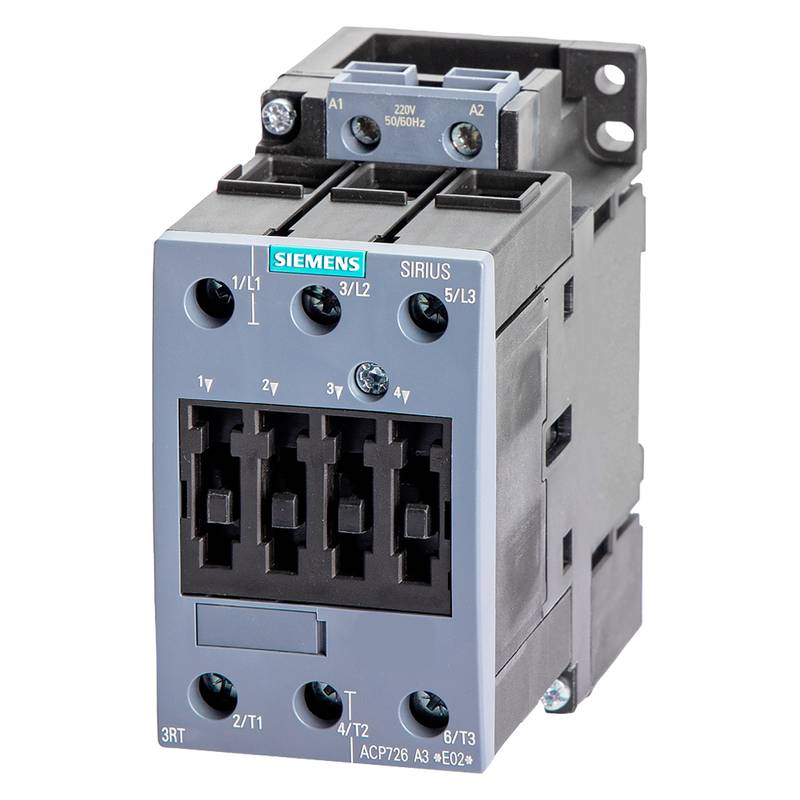













SIEMENS 6SL3725-1TG41-6MP3 SINAMICS S120 Single Motor Module Compact 1500kW 1560A High Starting Torque Liquid Cooled 690V


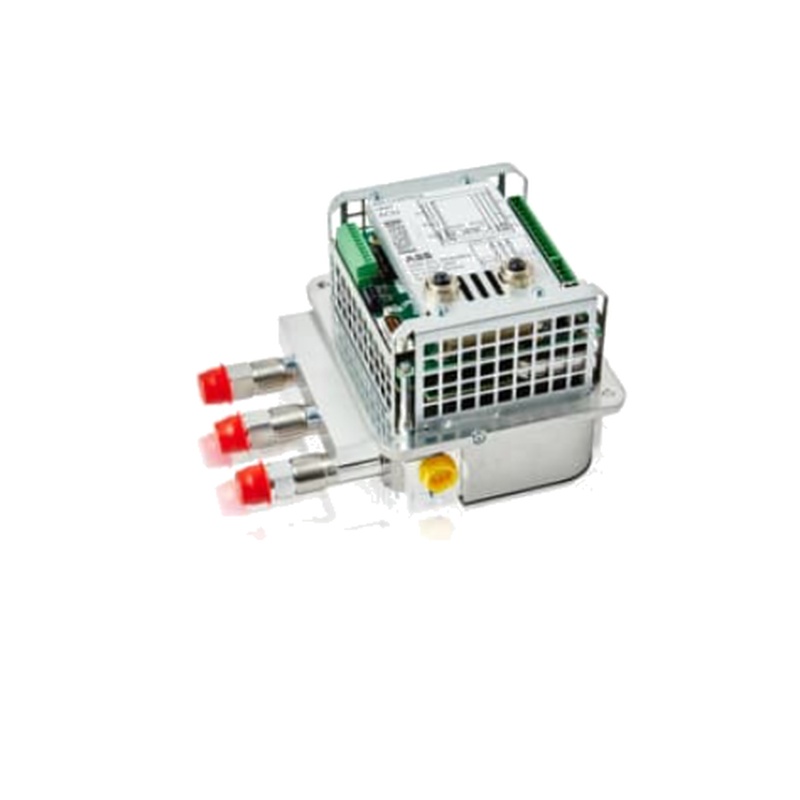
The SIEMENS 6SL3725-1TG41-6MP3 SINAMICS S120 Single Motor Module is a high-performance drive solution engineered for demanding industrial applications. This liquid-cooled unit boasts a substantial 1500 kW power output, a 1560 A continuous current rating, and operates at 690V, making it ideal for high starting torque requirements. Its compact design and advanced liquid cooling system ensure efficient thermal management and reliable operation in challenging environments.
Product Specifications
| Parameter | Value |
| :------------------ | :---------------------------------------- |
| Product Number | 6SL3725-1TG41-6MP3 |
| Series | SINAMICS S120 |
| Type | Single Motor Module |
| Power Rating | 1500 kW |
| Continuous Current | 1560 A |
| Voltage | 690 V |
| Cooling Method | Liquid Cooled |
| Starting Torque | High |
| Enclosure | Compact |
| Communication | Not explicitly detailed in snippet |
| Protection Class | Not explicitly detailed in snippet |
Core Features & Market Positioning
The SIEMENS 6SL3725-1TG41-6MP3 stands out in the industrial automation market due to its robust power delivery and specialized cooling technology. Its high starting torque capability is a critical differentiator for applications requiring immense rotational force from a standstill. The liquid-cooled design allows for a more compact footprint compared to air-cooled equivalents of similar power, leading to space savings in control cabinets and plant layouts. This positions the SINAMICS S120 module as a premium, high-efficiency solution for continuous operation in environments where heat dissipation is a significant concern, such as in heavy industry and process automation.
Key Application Scenarios
This powerful motor module is exceptionally well-suited for heavy-duty applications demanding precise motor control and high torque. Common scenarios include driving large pumps, compressors, extruders, and heavy-duty conveyors in industries like mining, oil and gas, chemical processing, and large-scale manufacturing. Its ability to handle high starting currents and maintain stable operation under varying loads makes it ideal for processes that require rapid acceleration or sustained high torque. The 690V rating further enables its use in applications where higher voltage distribution is standard.
Practical System Integration Guidance
Integrating the SIEMENS 6SL3725-1TG41-6MP3 into an existing SINAMICS S120 system typically involves careful consideration of the drive system's overall architecture. The module connects to the DC bus of a SINAMICS S120 chassis or can be part of a distributed drive system. Proper liquid cooling loop design is paramount, including selecting appropriate coolant, pumps, and heat exchangers to maintain optimal operating temperatures and ensure the module's longevity. Commissioning often requires configuring motor data, control modes (e.g., V/f control, closed-loop vector control), and safety functions via Siemens' TIA Portal or STARTER software.
Operation and Risk Mitigation
Operating the SINAMICS S120 module necessitates adherence to safety protocols, especially concerning the high voltages involved. Ensure proper grounding, lockout/tagout procedures during maintenance, and that the liquid cooling system is functioning correctly before energizing the drive. Common operational risks include overheating due to inadequate cooling, motor or drive faults, and communication errors. Monitoring drive status and error codes through the operator panel or engineering software is crucial. For instance, error code F7001 typically indicates an overload condition, prompting a review of the load profile and cooling performance.
Scalability & Long-Term Value
The SINAMICS S120 platform is designed for scalability, allowing for system expansion by adding more motor modules or integrating with higher-level control systems. This 1500 kW module benefits from Siemens' commitment to backward compatibility and integration within the TIA (Totally Integrated Automation) ecosystem, facilitating seamless connectivity with PLCs like SIMATIC S7 and HMIs. Its robust construction and advanced diagnostics contribute to a long operational lifespan, and integration with digital solutions, such as condition monitoring systems and IIoT platforms, enhances predictive maintenance capabilities and overall plant efficiency.
Frequently Asked Questions (FAQs)
1. What is the primary advantage of liquid cooling for the SIEMENS 6SL3725-1TG41-6MP3?
Liquid cooling offers superior heat dissipation compared to air cooling, enabling higher power density. This allows for a more compact module design. Efficient thermal management is crucial for reliable, continuous operation in demanding industrial settings.
The enhanced cooling prevents component derating under heavy loads. It significantly reduces the risk of thermal shutdowns, ensuring uninterrupted production cycles. This technology is vital for maximizing the lifespan of the drive.
This advanced cooling system directly contributes to the module's ability to deliver high starting torque consistently. It ensures that the drive can perform demanding start-up sequences without overheating.
2. How does the high starting torque of this SINAMICS S120 module benefit industrial applications?
High starting torque is essential for applications that need to overcome significant inertia or static friction. This includes starting large pumps, compressors, or extruders from a standstill. It ensures smooth and rapid acceleration of heavy loads.
The ability to provide substantial torque at low speeds is critical for precise process control during startup. It minimizes mechanical stress on driven equipment during these critical phases. This leads to increased equipment longevity.
This feature prevents motor stall conditions during startup, which can lead to system downtime and potential damage. It guarantees that the motor can reliably initiate operation even under the most challenging conditions.
3. What types of industries commonly utilize the SIEMENS 6SL3725-1TG41-6MP3?
Heavy industries like mining, oil and gas, and petrochemical processing are primary users. These sectors require robust drives for large equipment like crushers, mixers, and heavy-duty pumps. The 690V rating is common in these high-power distribution systems.
The module is also vital in large-scale manufacturing, particularly in areas involving extrusion, large fan/blower systems, and heavy material handling. Its power and torque capabilities are suited for continuous, demanding production lines.
It finds application in renewable energy infrastructure, such as large wind turbine pitch systems or large-scale water pump stations for hydroelectric power. Precise control and high torque are essential for these critical operations.
4. Can the SIEMENS 6SL3725-1TG41-6MP3 be integrated into existing Siemens automation systems?
Yes, this module is designed to be part of the Siemens Totally Integrated Automation (TIA) ecosystem. It interfaces seamlessly with SIMATIC PLCs and HMIs. This integration simplifies system design and programming.
It utilizes standard communication protocols, allowing for easy data exchange and control with other Siemens components. This ensures efficient system-wide operation and diagnostics. It leverages established engineering frameworks.
This module fits within the SINAMICS S120 product family, offering compatibility with other S120 components. This modularity supports expansion and upgrades within a consistent automation architecture.
5. What are the essential considerations for the liquid cooling system of this drive?
Selecting the correct coolant with appropriate thermal properties is crucial. The coolant must be compatible with all system components to prevent corrosion or degradation. Regular monitoring of coolant quality is necessary.
The design must ensure adequate flow rate and pressure to effectively remove heat from the module. This involves proper pump sizing and an efficient heat exchanger system. System maintenance should include regular checks for leaks.
Maintaining the correct operating temperature range specified by Siemens is vital for module longevity. Deviations can lead to performance issues or premature failure. The cooling system should include safety interlocks.
6. What safety precautions should be observed when operating this high-voltage drive?
Always follow strict lockout/tagout procedures before performing any maintenance. Ensure all personnel are qualified and aware of the high voltage hazards present. Verify proper grounding of the equipment and enclosure.
Implement appropriate electrical safety barriers and warning signage around the drive and connected equipment. Use insulated tools when working in proximity to live electrical components. Emergency stop circuits must be properly installed and tested.
Ensure the liquid cooling system is functioning correctly before energizing the drive to prevent overheating. Regularly inspect all cabling and connections for signs of damage or wear. Understand and implement the drive's safety functions.
7. How is the SIEMENS 6SL3725-1TG41-6MP3 commissioned and programmed?
Commissioning is typically performed using Siemens' TIA Portal or STARTER engineering software. This software allows for configuring motor parameters, control modes, and safety functions. A structured approach is recommended.
The process involves basic setup of the drive, followed by detailed motor identification routines. Tuning of control loops (e.g., speed, torque) is performed to optimize performance for the specific application. Extensive testing is part of this phase.
Proper parameterization is critical for safe and efficient operation. This includes setting current limits, speed ranges, and any specific application requirements. Documentation of the final configuration is essential for future reference.
8. What is the significance of the "High Starting Torque" feature for this module?
This feature means the drive can deliver a significantly larger torque at low speeds or from a standstill. It is crucial for applications that need to overcome high inertia or static friction to start moving. This enables smooth, powerful starts.
It allows motors to start loads that would otherwise be impossible or would require a much larger, more expensive motor. This capability is vital in heavy machinery, large pumps, and presses. It ensures reliable operation under the most demanding conditions.
The high starting torque capability reduces the stress on mechanical components during the startup phase. This contributes to longer equipment life and reduced maintenance requirements. It ensures system stability from the very first rotation.
9. What are common fault codes associated with the SINAMICS S120 series and how can they be addressed?
Common faults include overload (e.g., F7001), indicating the drive is exceeding its thermal or current limits. This requires checking the load, motor, and cooling system. Communication faults (e.g., F30000 series) suggest issues with network connectivity or parameter setup.
Under-voltage or over-voltage faults (e.g., F30002) point to problems with the incoming power supply or the DC bus capacitor charge. Ground fault errors (e.g., F30001) indicate a short circuit to ground within the motor or cabling. Always consult the specific manual for exact code meanings.
Troubleshooting often involves checking motor connections, power supply stability, and ensuring the cooling system is operational. Resetting the fault after addressing the root cause is standard procedure. Comprehensive diagnostics via the operator panel or software are key.
10. How does this module contribute to IIoT integration and Industry 4.0 initiatives?
The SINAMICS S120 platform offers robust communication interfaces, enabling seamless data exchange with industrial IoT platforms. This allows for real-time monitoring of drive performance and status. It supports predictive maintenance strategies.
By providing detailed operational data, such as current, voltage, temperature, and speed, the module facilitates advanced analytics. This information can be used to optimize processes, detect anomalies, and improve energy efficiency. It empowers data-driven decision-making.
Integration with digital twins and cloud-based monitoring systems allows for remote diagnostics and performance optimization. This enhances operational flexibility and supports smart manufacturing objectives. It is a key component for connected factories.