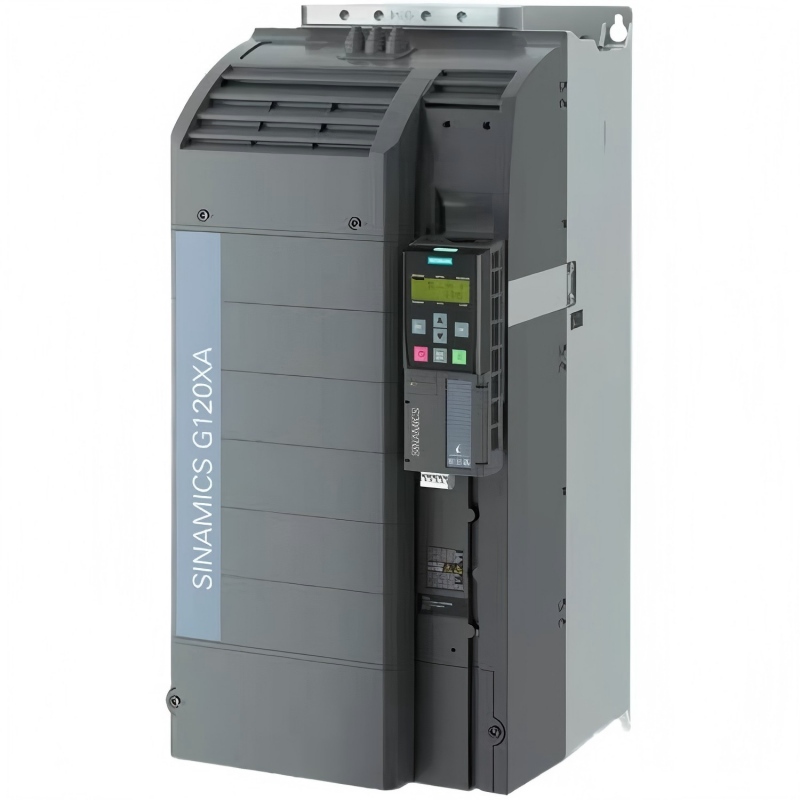













ESTUN ER500-3200-PL Ultra High Load Series Palletizing Robot 500kg Capacity 3200mm Reach Logistics Master


The ESTUN ER500-3200-PL Ultra High Load Series Palletizing Robot is engineered for demanding logistics and manufacturing environments, offering a robust solution for high-throughput operations. This industrial robot boasts a substantial 500kg payload capacity and an impressive 3200mm reach, making it exceptionally well-suited for heavy-duty palletizing tasks. Its core advantages lie in its superior load handling, extended operational range, and the reliability synonymous with ESTUN automation solutions. Key technical parameters include an impressive maximum speed, precise repeatability, and a robust construction designed for continuous industrial use, ensuring efficiency and longevity in critical supply chain processes.
Product Specifications
| Parameter | Specification |
| :------------------ | :-------------------------------- |
| Model | ER500-3200-PL |
| Payload Capacity | 500 kg |
| Reach | 3200 mm |
| Axis Count | 4-Axis |
| Repeatability | ±0.5 mm |
| Power Supply | 380V ±10%, 50/60Hz |
| Working Temperature | 5°C - 45°C |
| Ambient Humidity | 20% - 80% (non-condensing) |
Core Features & Market Positioning
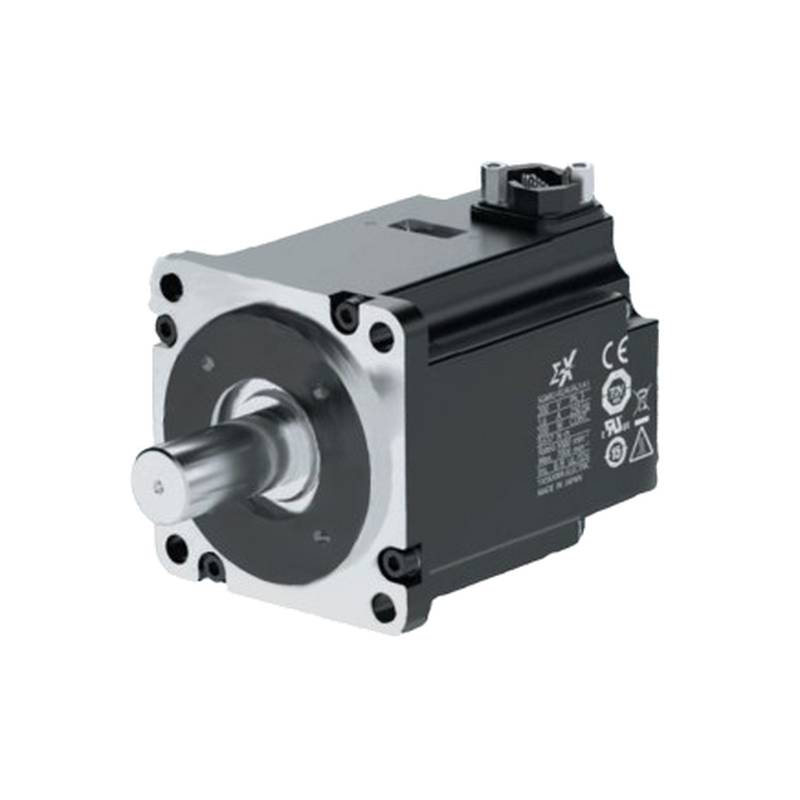
The ESTUN ER500-3200-PL positions itself as a formidable competitor in the high-payload palletizing robot market. Its design prioritizes brute strength and extended reach, addressing a critical need for automation in industries that handle heavy and bulky goods, such as beverages, building materials, and automotive components. ESTUN's proprietary control technology ensures smooth, accurate movements even under maximum load, differentiating it from competitors that might compromise on precision at their upper capacity limits. This robot is engineered for industrial resilience, featuring a robust arm structure and high-torque servo motors that contribute to its operational stability and extended service life. The "Logistics Master" moniker underscores its specialization in high-volume, continuous-duty palletizing and depalletizing, a key differentiator for businesses seeking to optimize their warehousing and distribution centers.
Key Application Scenarios
The ER500-3200-PL excels in a variety of high-volume palletizing and depalletizing applications across numerous industrial sectors. In the food and beverage industry, it efficiently handles cases of drinks, packaged foods, and raw ingredients, stacking them onto pallets with consistent speed and accuracy. For building materials manufacturers, its 500kg capacity is ideal for palletizing heavy bags of cement, tiles, or insulation. The automotive sector benefits from its ability to manage heavy component boxes and parts. Furthermore, in general warehousing and logistics, this robot streamlines the process of loading and unloading trucks and consolidating shipments, significantly reducing manual labor requirements and enhancing throughput. Its 3200mm reach allows for the creation of tall, stable pallet stacks, optimizing warehouse space utilization.
Practical System Integration Guidance
Integrating the ESTUN ER500-3200-PL into an existing production line requires careful planning, particularly concerning its power and communication interfaces. The robot typically connects to a 380V power supply, necessitating appropriate industrial-grade electrical infrastructure. Its control cabinet includes standard I/O ports for interfacing with conveyor systems, safety sensors, and PLC controllers. For seamless operation, users will need to define palletizing patterns and robot trajectories using ESTUN's proprietary programming software, often requiring skilled automation technicians. Wired Ethernet connectivity is standard for programming and real-time monitoring. Ensuring adequate floor space and headroom is critical, as is the correct anchoring of the robot base to prevent movement during high-speed operations.
Operation and Risk Mitigation
Operating the ESTUN ER500-3200-PL demands strict adherence to safety protocols to mitigate operational risks. Before activation, all safety guarding, emergency stop buttons, and light curtains must be verified to be fully functional. During operation, personnel should remain clear of the robot's working envelope. Common troubleshooting may involve checking payload balance and ensuring the product grip is secure to prevent dropped items. Critical fault codes, typically displayed on the teach pendant, often relate to motor overloads, communication errors, or safety interlock failures. ESTUN provides comprehensive manuals detailing these codes and their remediation steps, emphasizing the importance of preventative maintenance, such as regular lubrication and joint inspection, to ensure continuous, safe operation.
Scalability & Long-Term Value
The ESTUN ER500-3200-PL offers significant long-term value through its inherent robustness and compatibility with evolving automation ecosystems. While the robot itself is a fixed configuration, its integration flexibility allows for scalability within a broader automation strategy. It can be readily incorporated into larger automated guided vehicle (AGV) systems or connected to Warehouse Management Systems (WMS) for enhanced inventory tracking and order fulfillment. ESTUN's commitment to industrial automation means ongoing support and potential for software updates that can improve performance or introduce new functionalities. For businesses experiencing growth or changes in product lines, the robot's ability to handle diverse heavy loads and its programmable nature ensure it remains a valuable asset, adaptable to new tasks and able to contribute to the efficiency of Industry 4.0 initiatives through data integration and remote monitoring capabilities.
Frequently Asked Questions
Q1: What industries commonly use the ESTUN ER500-3200-PL?
This high-capacity robot is ideal for sectors handling substantial weight. Food and beverage companies utilize it for heavy case stacking. Building material producers leverage its strength for cement bags and tile pallets.
Automotive manufacturing benefits from its ability to manage heavy component boxes. Logistics and warehousing operations also deploy it for efficient load/unload tasks.
Its robust design supports continuous, heavy-duty operations in demanding environments. This makes it a versatile asset across multiple industrial applications.
Q2: How does the 500kg payload capacity impact its operation?
The 500kg capacity allows for palletizing very heavy items and multiple smaller items at once. This significantly reduces cycle times for bulk handling. It enables the robot to handle full layers of products, such as large containers or machinery parts.
With such a high payload, careful consideration of weight distribution and grip strength is crucial for safety. It allows for greater flexibility in product handling and pallet configurations.
This capability directly translates to increased throughput and reduced labor costs in high-volume operations. It makes the robot suitable for specialized, heavy-duty industrial needs.
Q3: What are the primary benefits of the 3200mm reach?
A 3200mm reach enables the robot to create exceptionally tall pallet stacks. This maximizes vertical storage space in warehouses. It also allows for a larger working area, reducing the need for multiple robots in some scenarios.
The extended reach permits palletizing across wider conveyor systems or into specific truck or trailer configurations. It provides greater operational flexibility for diverse layout requirements.
This significant reach reduces travel time for the robot's arm when placing items at the edges of its workspace. It contributes to faster cycle times and overall efficiency gains.
Q4: Is the ESTUN ER500-3200-PL suitable for hazardous environments?
This model is primarily designed for standard industrial and logistics settings. It is not inherently rated for explosive or highly corrosive atmospheres. Specific environmental adaptations would be required for such applications.
Users must consult ESTUN's specifications for details on environmental resistance. Standard operating conditions typically involve moderate temperatures and humidity levels.
For hazardous environments, specialized robotic solutions with appropriate certifications are generally recommended. Always verify product suitability with the manufacturer.
Q5: What kind of programming is required for this robot?
Programming is typically done using ESTUN's proprietary teach pendant software. This allows for defining motion paths, grip sequences, and palletizing patterns. It offers both graphical interfaces and more advanced scripting options.
Skilled automation engineers are usually required for initial setup and complex programming tasks. Customizing programs for specific product types and stacking strategies is common.
The robot's control system is designed for flexibility, enabling integration with higher-level systems like SCADA or WMS for automated task assignment. This facilitates advanced operational control.
Q6: What are common maintenance requirements for the ER500-3200-PL?
Regular maintenance includes inspecting and lubricating the robot's joints and mechanical components. This ensures smooth movement and prevents premature wear. Cleaning the robot's exterior and sensor lenses is also important for optimal performance.
Periodic checks of the electrical connections, including power and communication cables, are essential. Battery replacement for the encoder and backup systems should follow manufacturer recommendations.
Users should refer to the official ESTUN maintenance manual for a detailed schedule and specific procedures. Preventative maintenance is key to minimizing downtime and extending the robot's lifespan.
Q7: How does this robot integrate with conveyor systems?
The robot integrates via its standard I/O interface, connecting to conveyor motor controls and sensors. It can receive signals from conveyors to trigger product pickup or placement. It can also send signals to control conveyor movement.
Sophisticated integration involves coordinating robot movements with conveyor speeds and product indexing. This ensures seamless product transfer to and from the robot's work cell.
Programmed logic dictates when the robot activates or deactivates conveyors, or signals for them to stop. This allows for automated workflow management within the palletizing cell.
Q8: What safety features are built into the ER500-3200-PL?
Safety features include emergency stop buttons on the teach pendant and control cabinet. It also supports integration with external safety devices like light curtains and safety mats. The robot can be programmed with safety zones to limit its speed or movement.
Software-based safety functions prevent the robot from exceeding its operational limits or entering restricted areas. This is critical when operating near personnel.
Adherence to safety standards and proper cell design are paramount. These built-in features are designed to work in conjunction with a comprehensive safety strategy.
Q9: Can the ER500-3200-PL handle different product sizes and shapes?
Yes, its programmability allows it to adapt to various product dimensions and configurations. Users can define different gripping strategies and placement points for diverse SKUs. Custom end-of-arm tooling (EOAT) can be developed for specialized products.
The robot's ability to learn and execute precise movements makes it versatile. It can handle items ranging from small, dense objects to larger, lighter packages within its payload limits.
When changing products, the programming parameters and potentially the EOAT need to be adjusted. This flexibility is a key advantage for manufacturers with dynamic product lines.
Q10: What is the typical lifespan and serviceability of this robot?
With proper maintenance, ESTUN robots like the ER500-3200-PL are designed for long operational lifespans, often exceeding 10 years. Their robust construction and high-quality components contribute to durability. Serviceability is supported through available spare parts and technical assistance from ESTUN.
ESTUN provides comprehensive documentation for maintenance and repair. Regular servicing by qualified technicians ensures optimal performance and can identify potential issues before they cause failure.
The modular design of industrial robots often facilitates easier replacement of worn components. This approach minimizes downtime and extends the useful life of the equipment significantly.